- Home
- Our winery

Pratsch
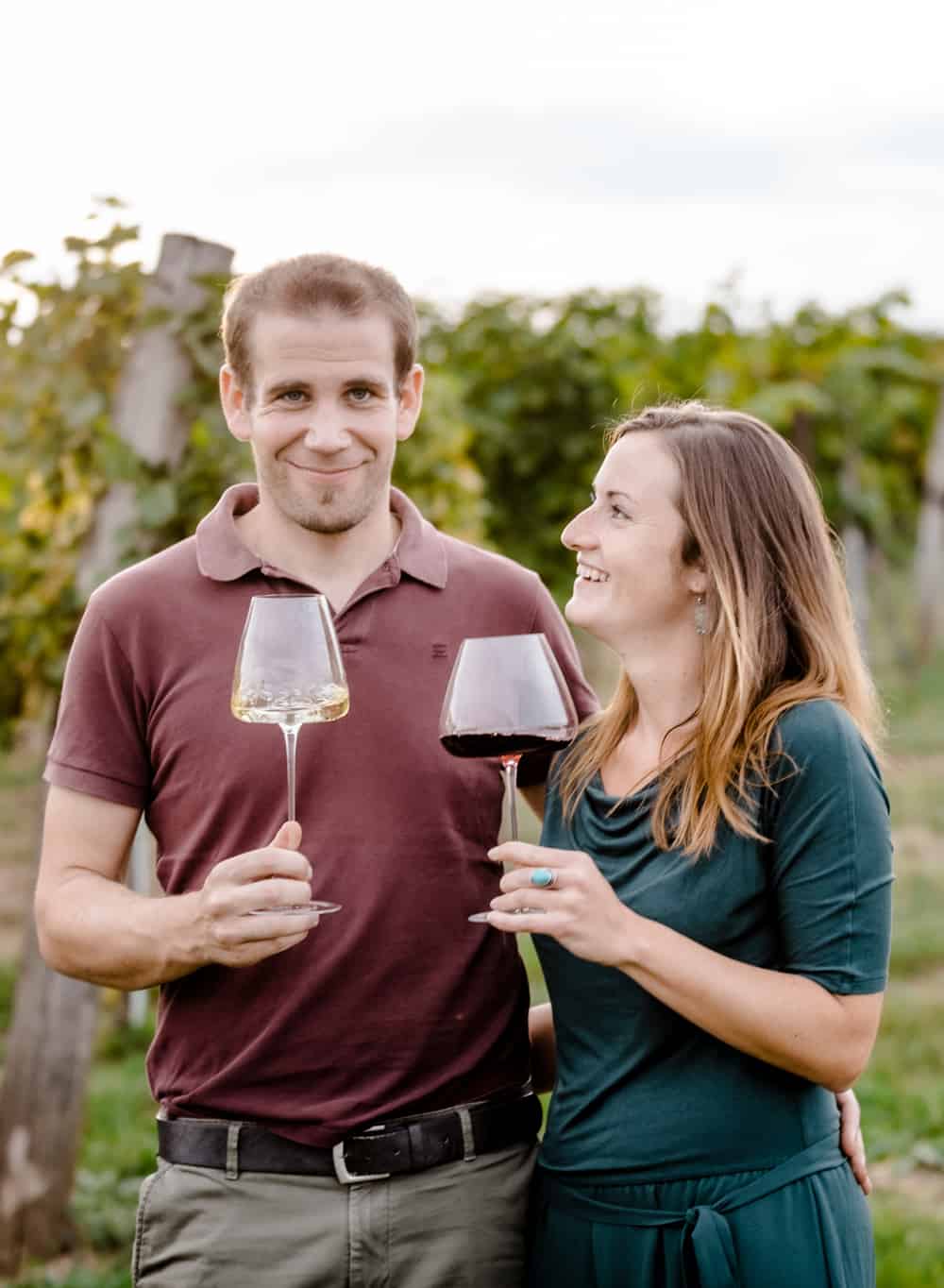
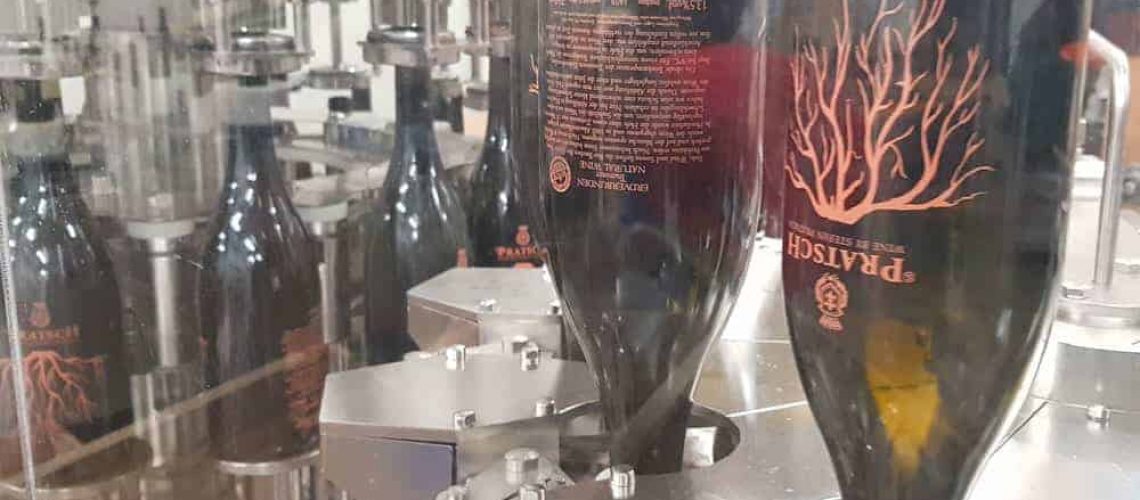
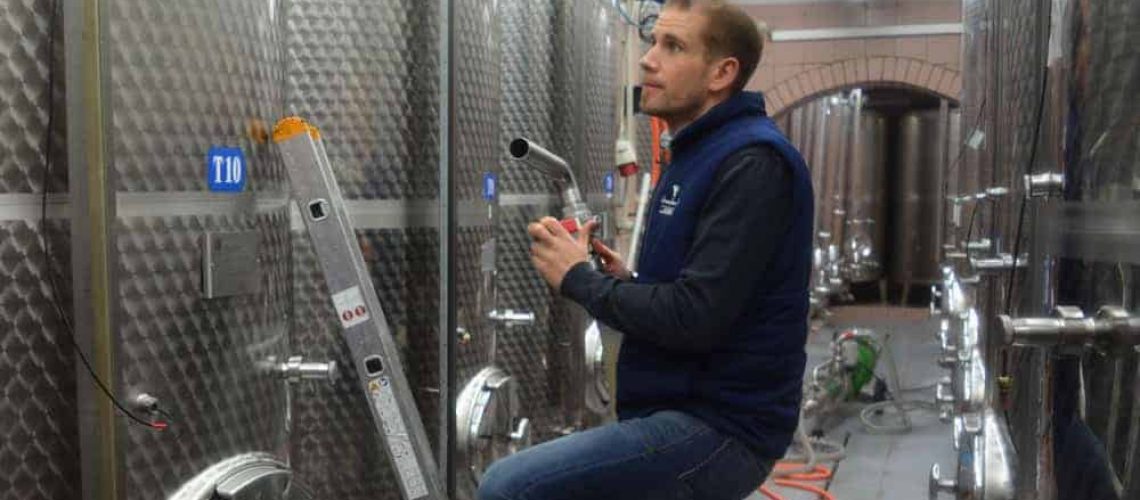
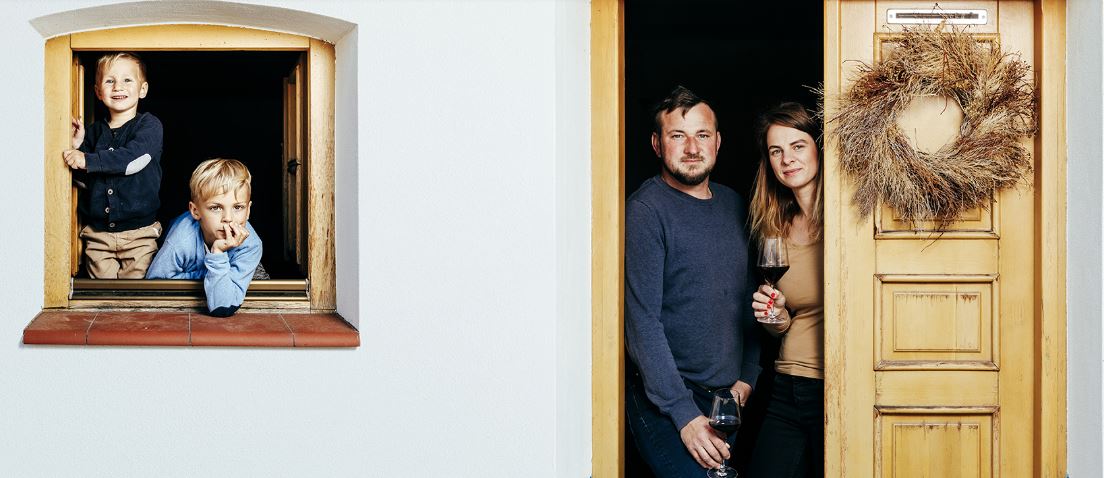
It quickly became clear that Stefan Pratsch, born in 1985, would take over his parents' winery. Following a solid theoretical education at the viticultural school in Mistelbach, he completed his practical training at his family's traditional estate. Then came the time to seek out and perfect his own path.
His parents, Willi and Anneliese Pratsch, his partner Bernadette, business partners, friends, and, above all, feedback from numerous customers have all contributed to the success of this ambition. An exceptionally positive response to his wines in the USA and Scandinavia marked an important milestone. Today, Stefan Pratsch's wines enjoy great popularity worldwide.
The current Stefan Pratsch winery was formed by the merger of two winemaking families in Hohenruppersdorf, who have remained in close contact for generations. The transition to organic farming was a major step on their path to modernity.
Today, wine of the highest quality is cultivated on approximately 20 hectares of family-owned estate land, along with around 30 hectares managed by contract partners.
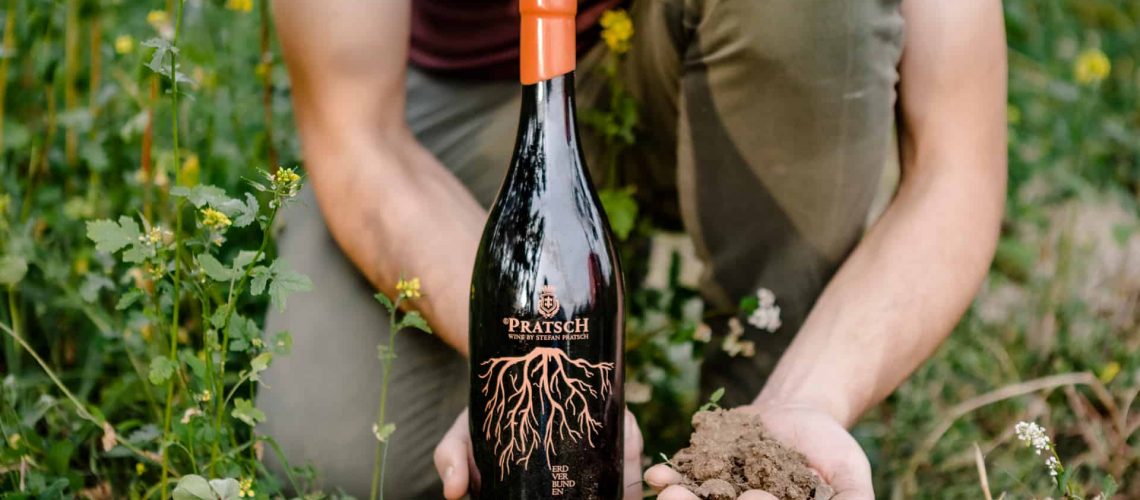
The character of the soil is reflected in the wine that grows upon it. The uniqueness of the grapes can only be truly appreciated when grown in soil that is full of life. For Stefan Pratsch, keeping the soil healthy and encouraging biodiversity in the vineyards is of paramount importance.
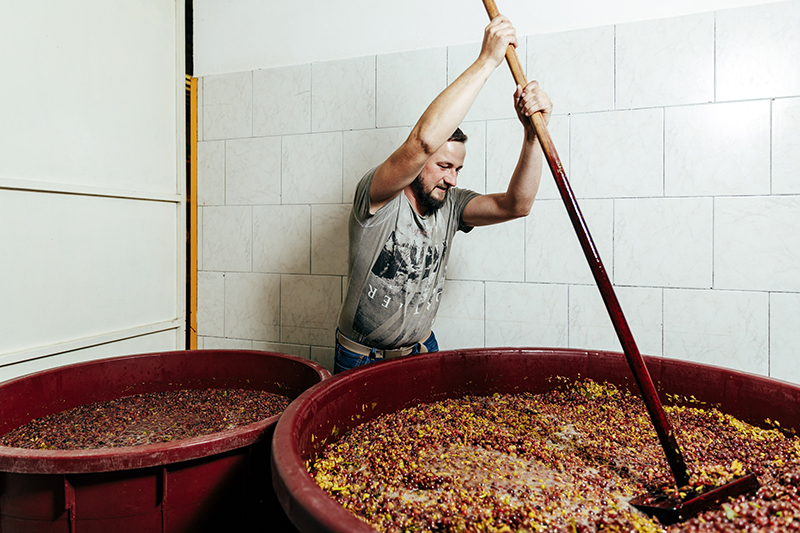
Wine needs time to mature. The grapes—fully ripened on the vine—bring along their own yeasts from the vineyard for spontaneous fermentation, and the young wine remains in contact with the lees for as long as possible. This is the only way to create the fresh and delicious wines we love so much. Thanks to gentle and responsible vinification, almost no histamine is formed, making the wines easily digestible and ensuring an exceptional experience.
Sulfur is used only in the minimum amount necessary to preserve the wine as a valuable natural product. This guarantees long-lasting freshness and an extended shelf life. Animal products have no place in this wine. By using pea and potato-based products instead of traditional gelatin, Stefan Pratsch's wines are fully suitable for a vegan lifestyle.


Chateau Khashmi
Chateau Khashmi is a family winery located in the village of Khashmi in the Iori Valley, 35 km from Tbilisi, Georgia.
They produce wine according to an ancient Georgian tradition that dates back 8,000 years.
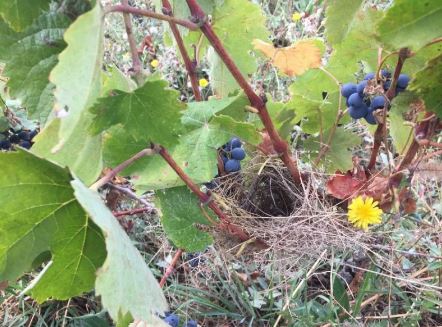
To achieve the best possible wine quality, they thoroughly monitor the quality and ripeness of the grapes, harvesting them by hand at the precise moment when sugar and acidity levels are optimal.
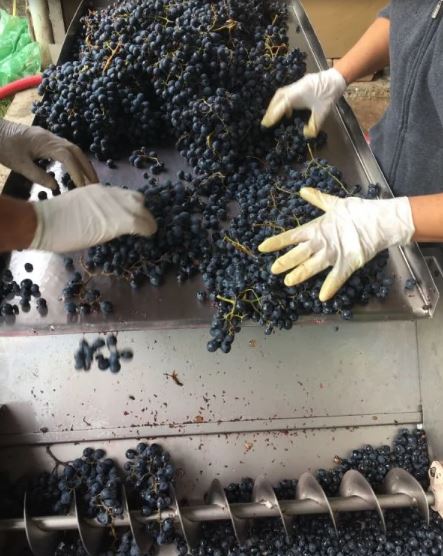
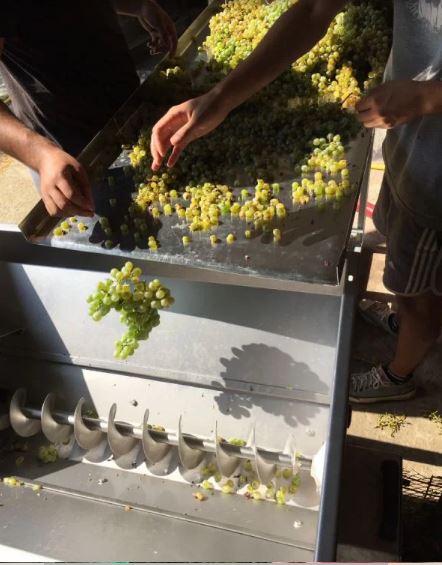
Before crushing, sorting tables are used to select only the highest quality grapes and remove any imperfect ones.
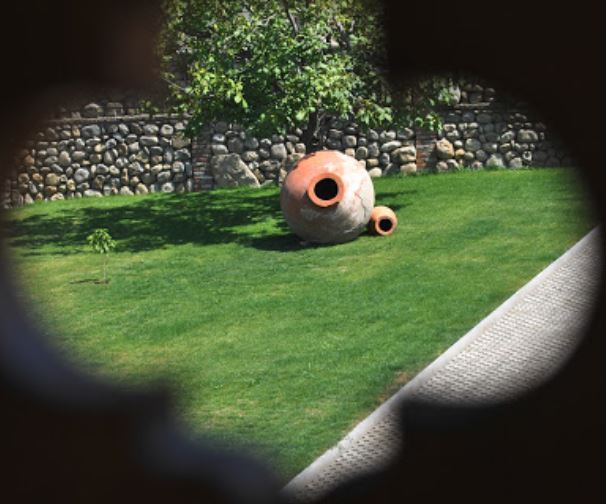
After crushing, the wine ferments along with the grape skins, pulp, and stems in Qvevri—large, egg-shaped clay vessels (similar to amphorae) buried deep in the ground to maintain a stable temperature throughout the year and provide the best conditions for storage.
During fermentation, substantial manual labor is required; they closely monitor the maceration temperature and punch down the cap (the floating skins and pulp) at least every 3 hours during active fermentation. This prevents the cap from drying out and oxidizing, cools the fermenting juice, and results in exceptionally aromatic wines.
Once fermentation is complete, the wine is stored and aged under ideal, constant temperature conditions inside the underground Qvevri for at least one year.
The wines are made naturally, meaning nothing is added or removed during vinification. They are unfiltered and contain no added sulfites.


Tempore
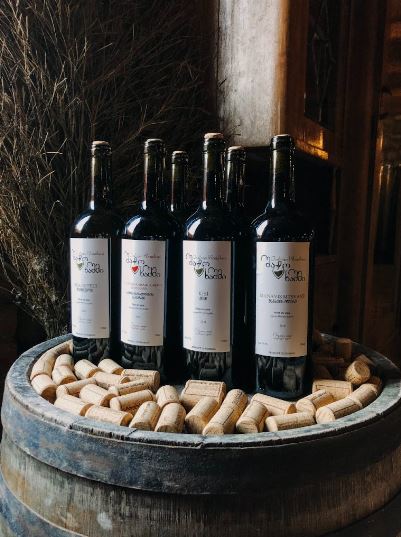
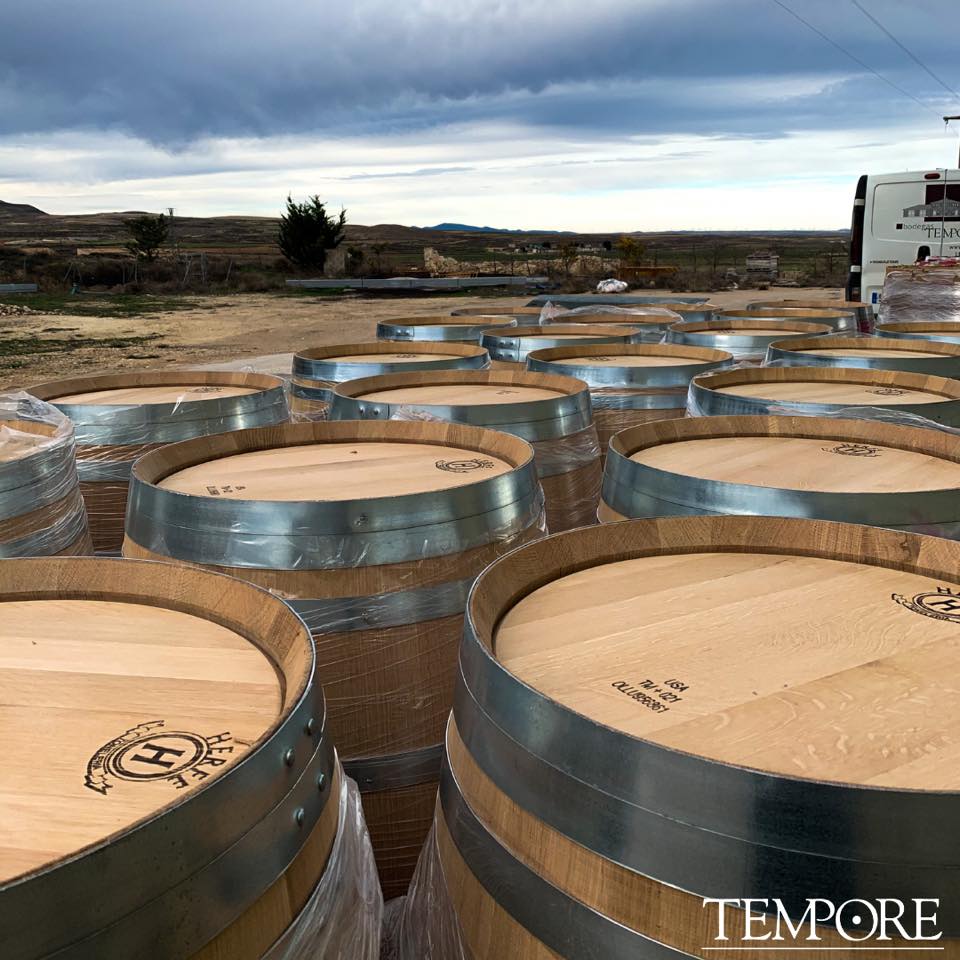
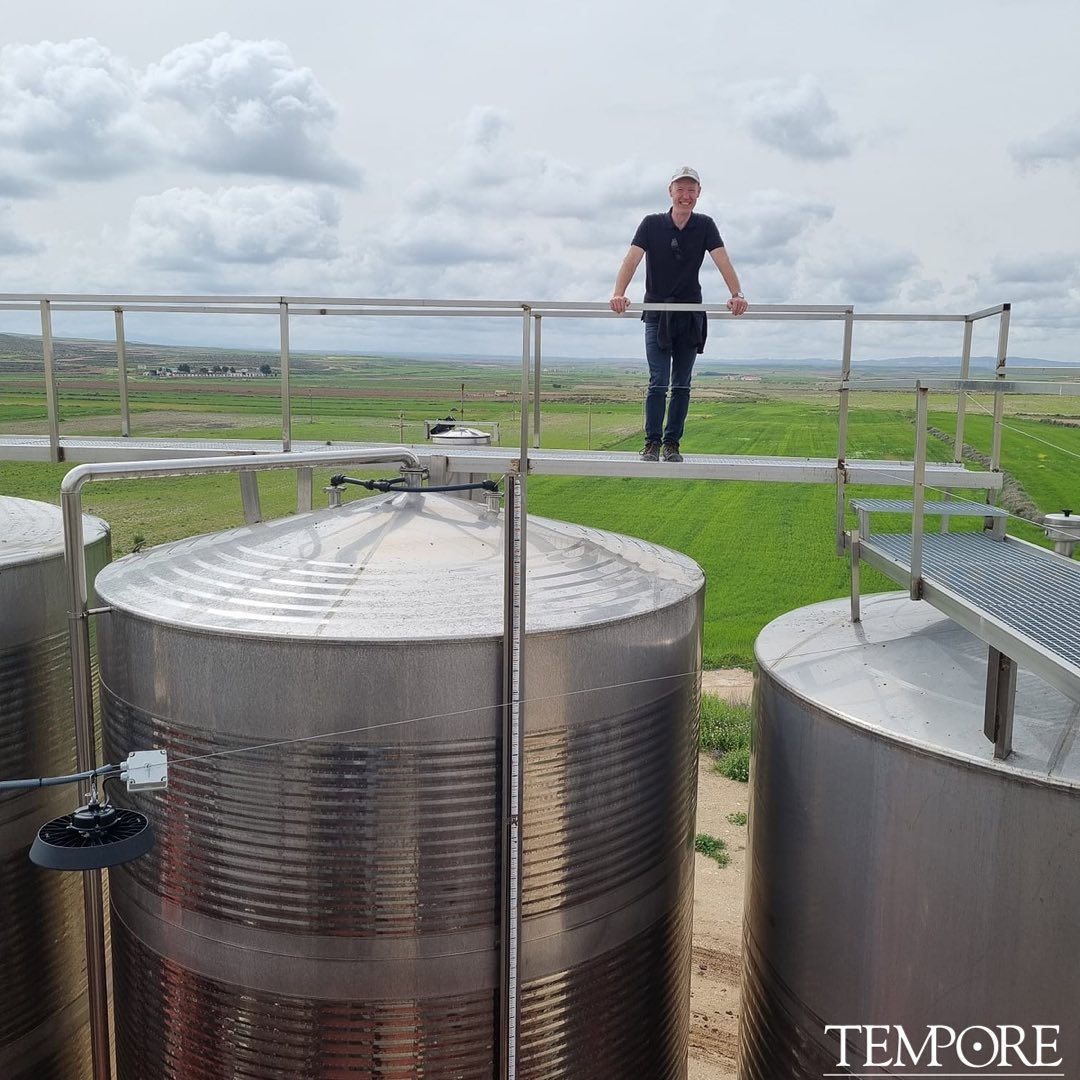
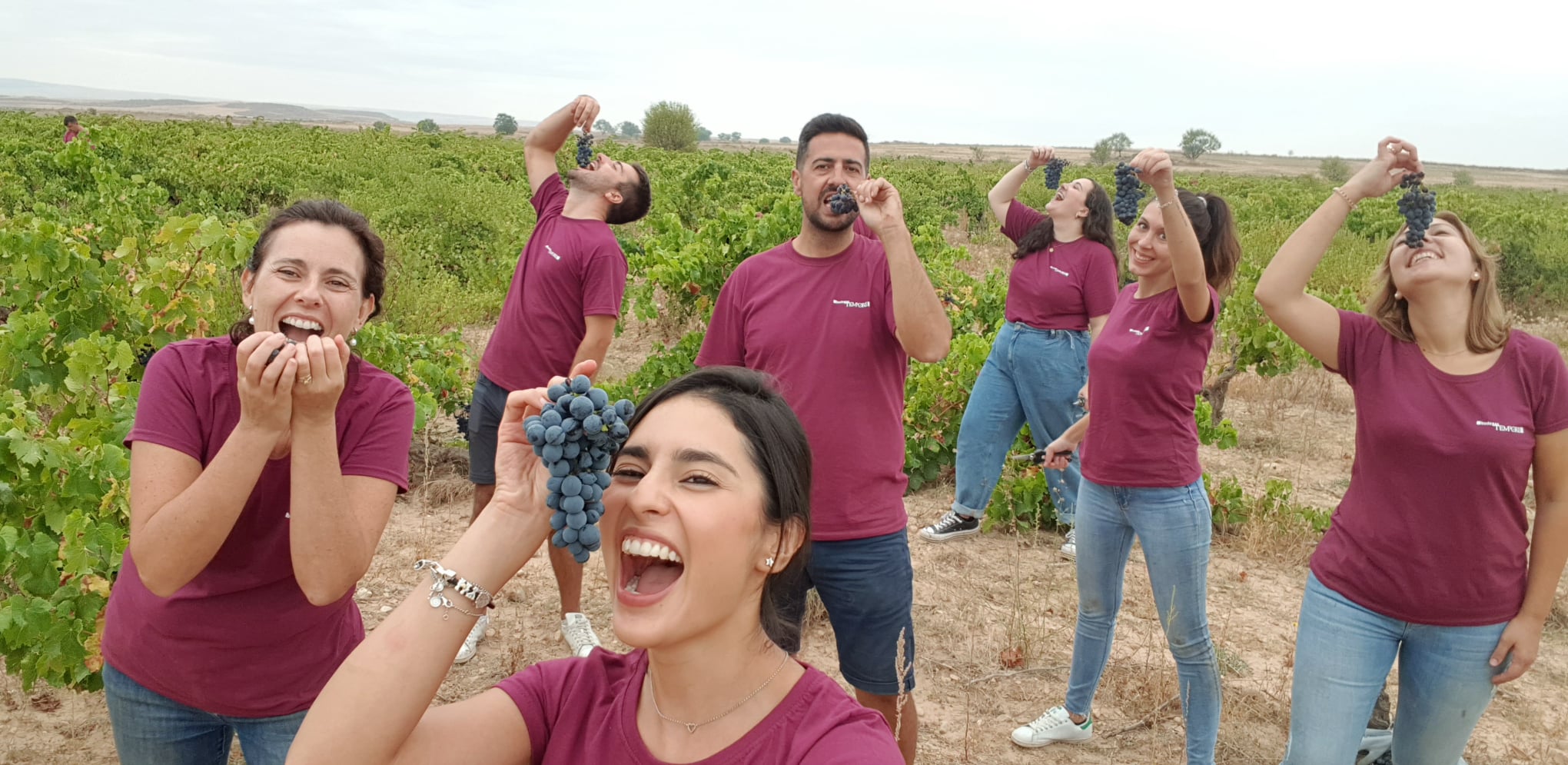
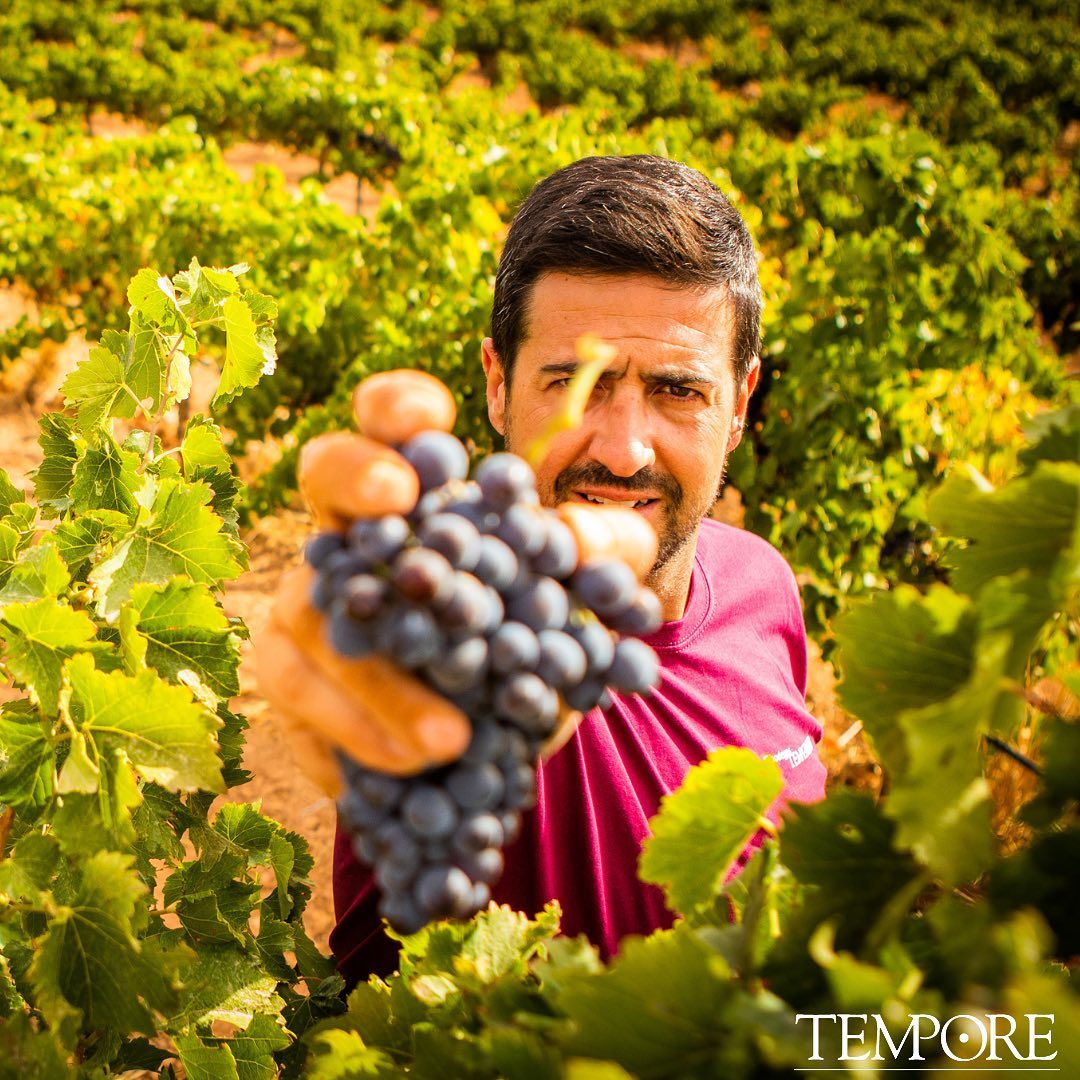
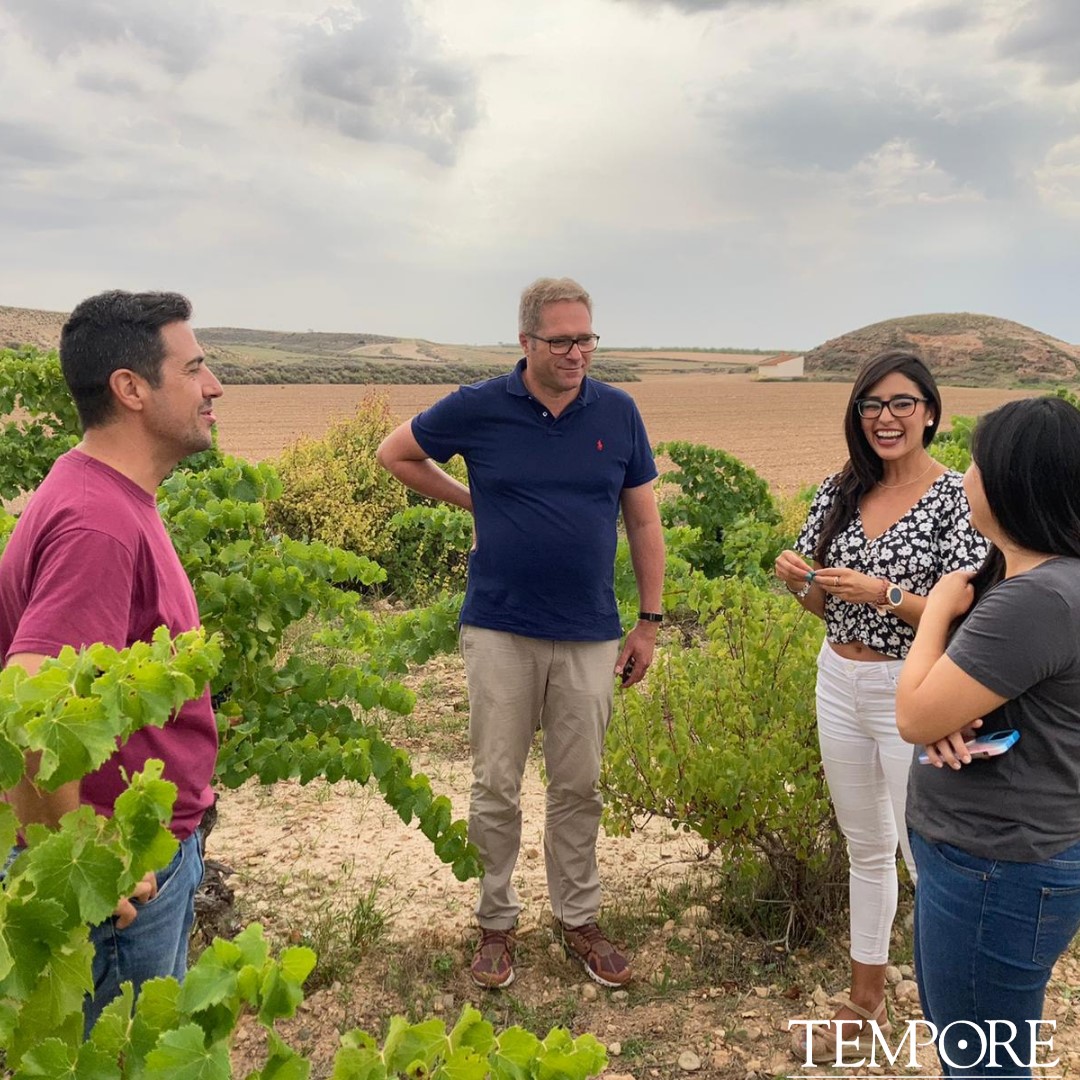
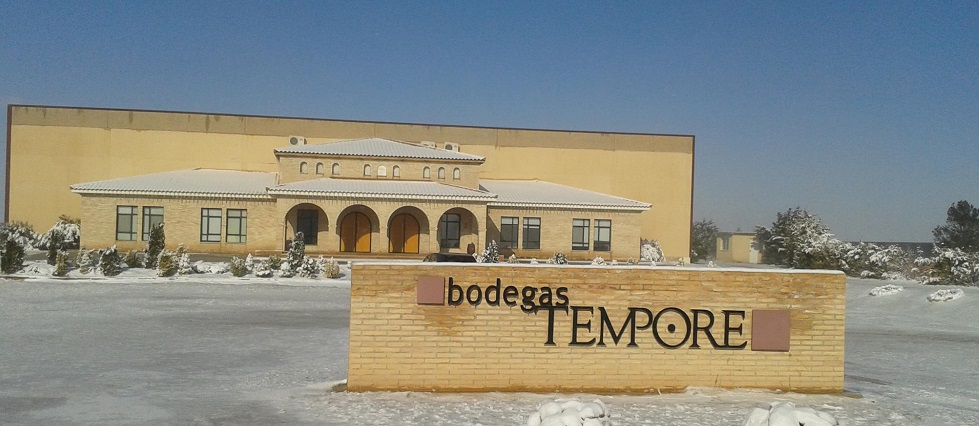
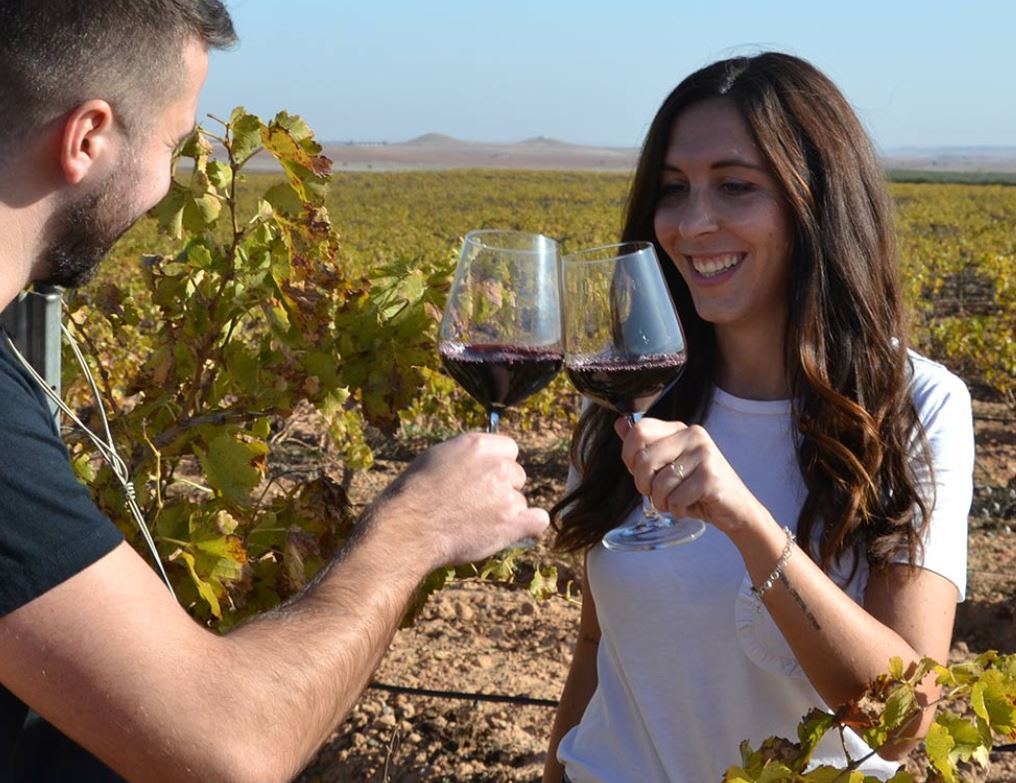
One family, four generations, and a new concept of wine – this is the origin of the Bodegas TEMPORE winery. Terroir, roots, sustainability, and Garnacha grapes are the main pillars of this estate. The Yago Aznar family belongs to this land, feels it, and respects it. They have embraced these values for several generations, combining tradition and innovation while always looking towards the future.
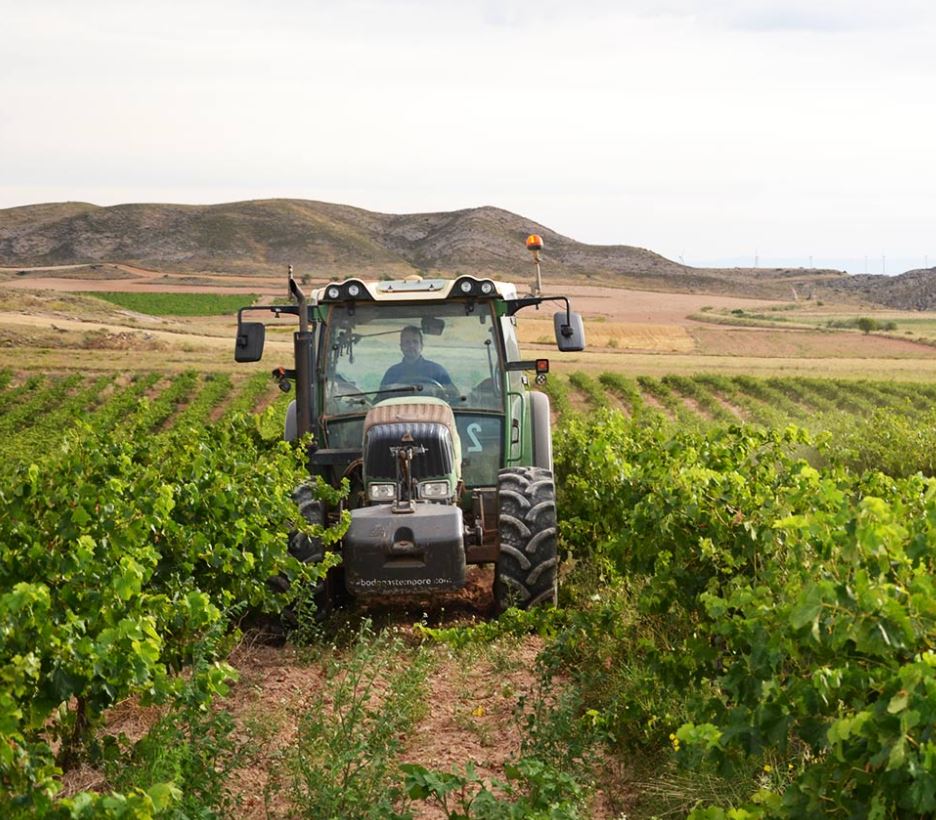
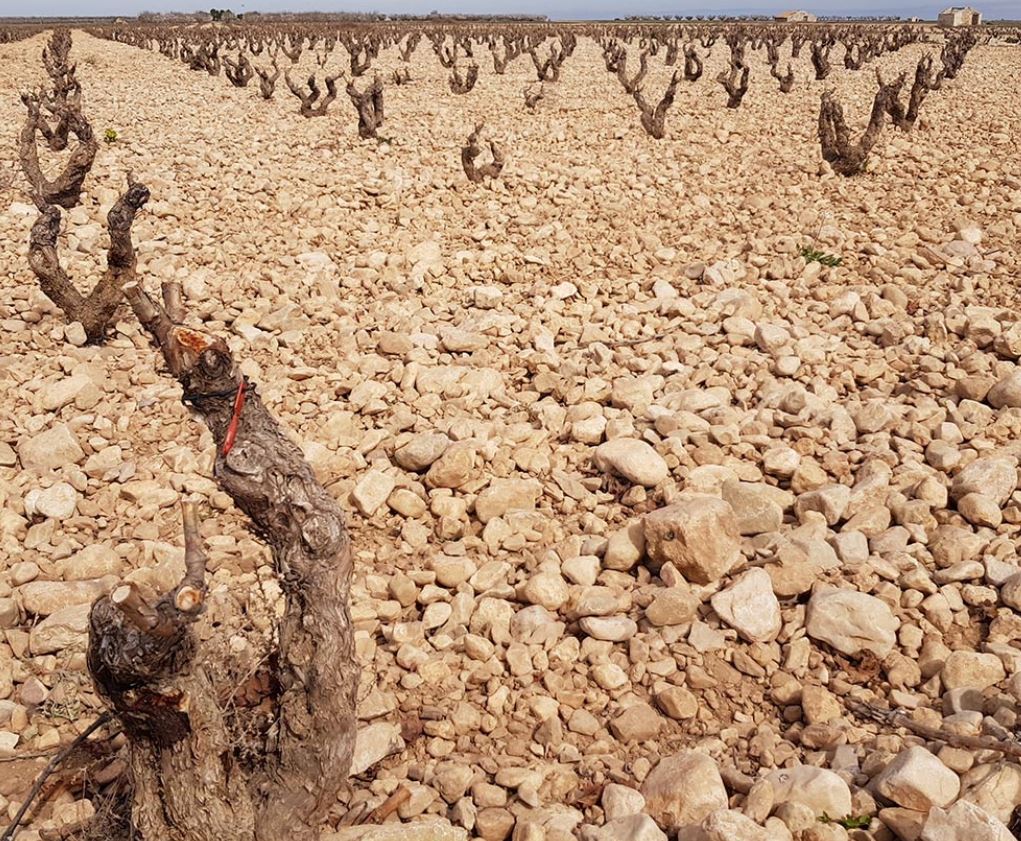
They manage 100 hectares of vineyards cultivated under the strict parameters of organic and biodynamic agriculture, which supports the natural cycles of the vine without any harsh treatments.
Organic and biodynamic viticulture is the only way they understand their work—by respecting the natural life cycles of the vines and the soil. The knowledge passed down by previous generations of the family who cultivated and touched these vineyards reminds them of the need to create a sustainable and responsible future.
The result is vibrant, lively wines full of fruit and evocative aromas.
? Explore our selection and taste the unique character of Bodegas TEMPORE wines here!

Syfany
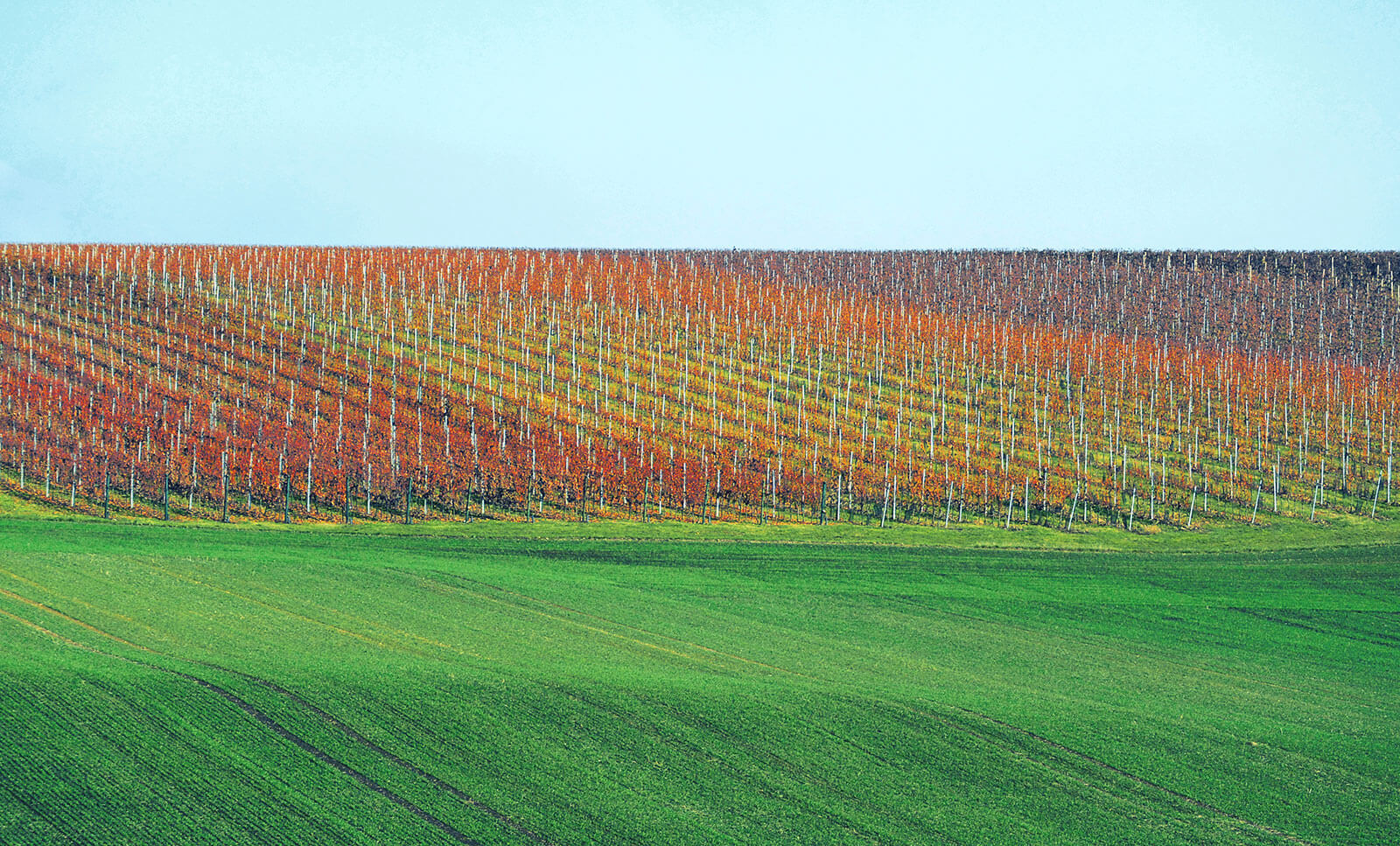
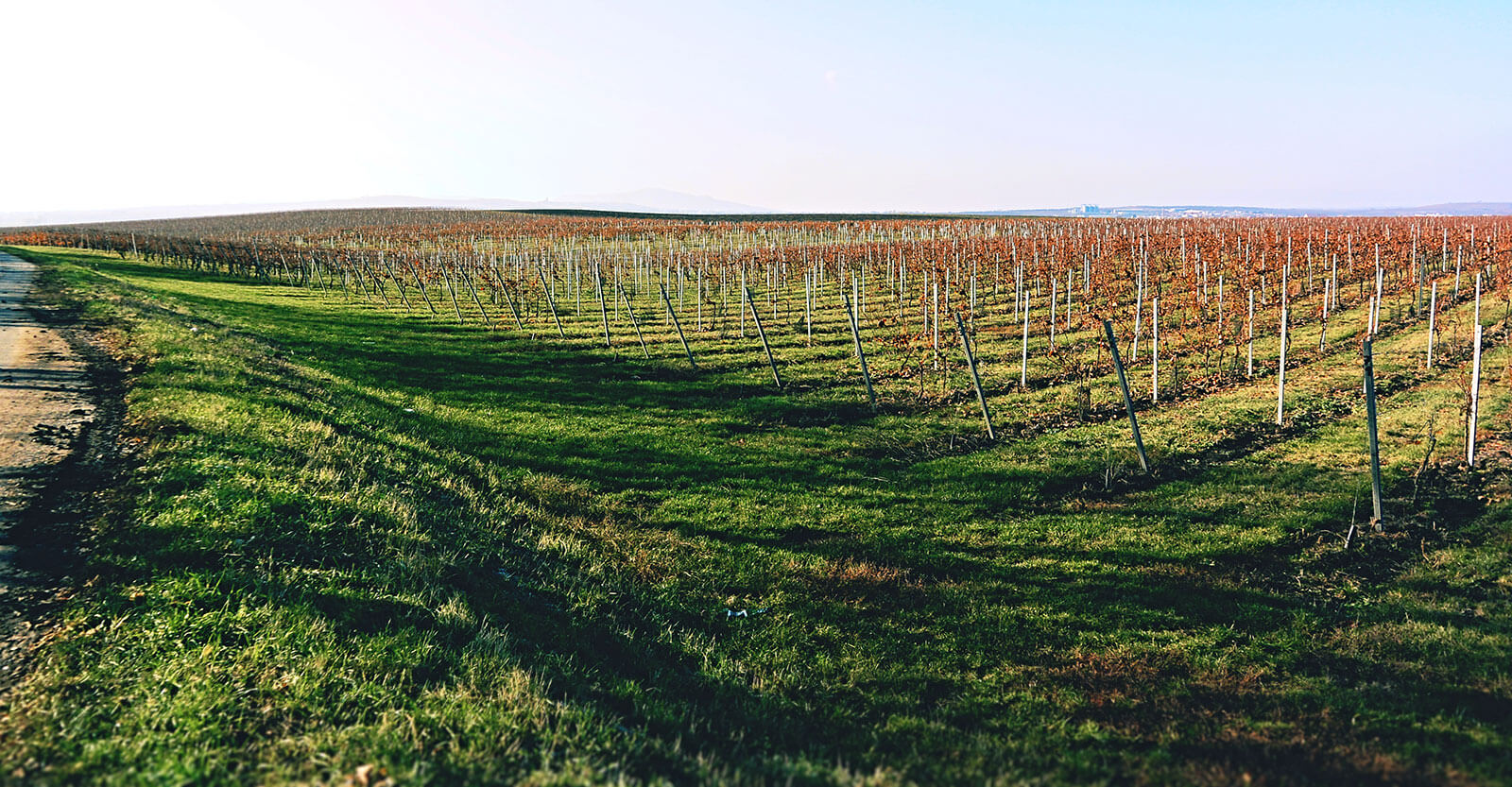
This beautiful family creates wine with nearly five centuries of tradition. Because of this heritage, they fully realize that they must approach their vineyards with the utmost respect and care. As a result, the vines reward them with high-quality and natural yields every year, without placing an unnecessary burden on the environment or depleting the local biodiversity.
Thanks to gentle practices both in the vineyards and in the cellar, very distinctive natural and authentic wines are created, presenting themselves in all their naturalness and unique character. At the same time, these wines are full of energy absorbed from the people whose passion and hard work brought them to life.
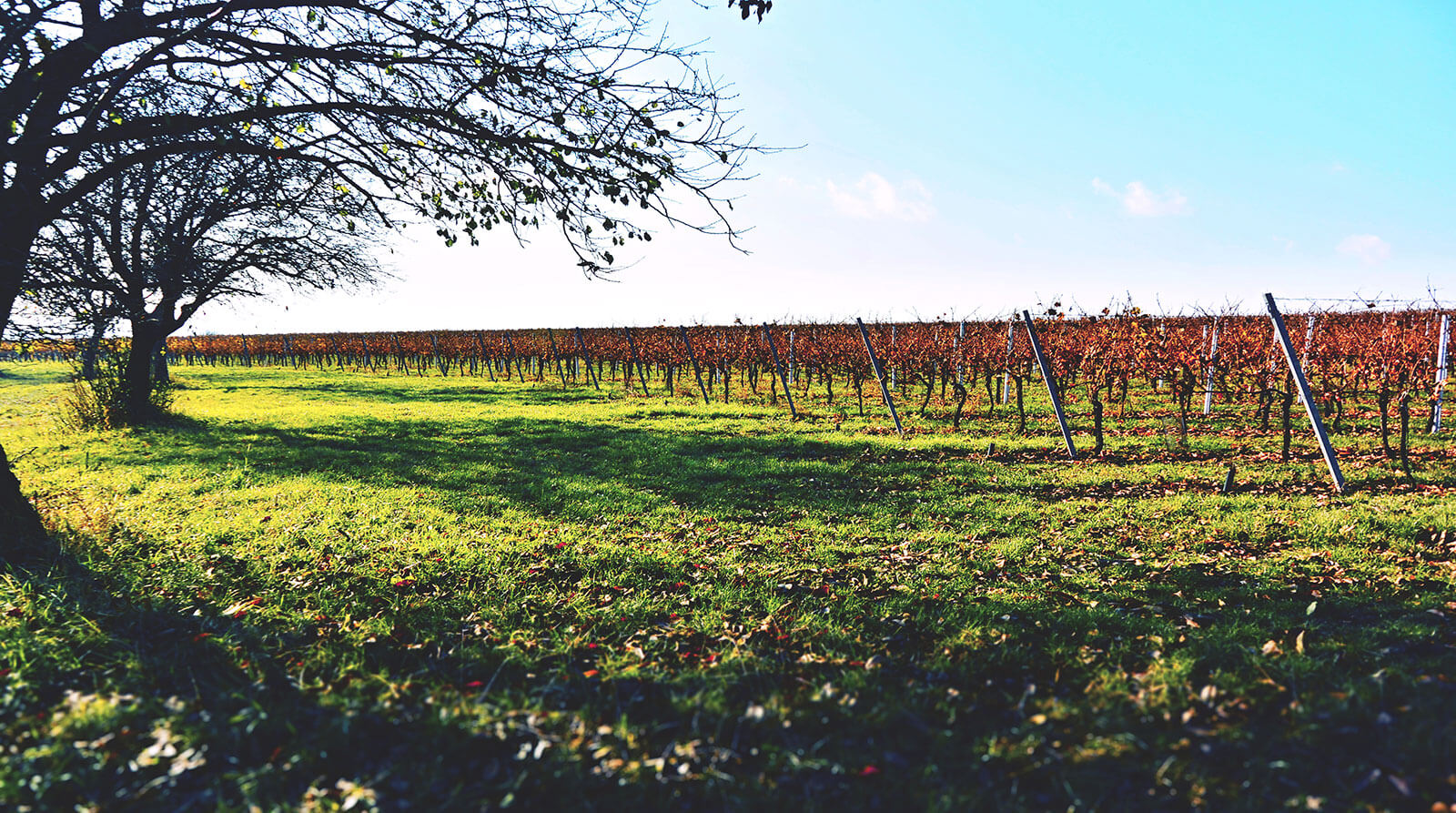
The grapes come from their own vineyards, located mostly around the village of Vrbice, with a portion in Velké Pavlovice.
The most suitable plots were carefully chosen for each individual grape variety. They took into account the specific demands for soil type, slope incline, airflow, and other subtle environmental factors.
The vineyards are managed with a long-term focus on sustainability and the diversity of animal and plant species in the landscape. They consider it essential to support the natural functions of the agroecosystem, which are directly or indirectly influenced by agricultural production. They are fully aware of the need to balance the demands of grape growing while keeping the soil full of life, ensuring it can fully serve future generations.
Explore our selection and discover the authentic taste of this family winery's natural wines here!


Alta Alella
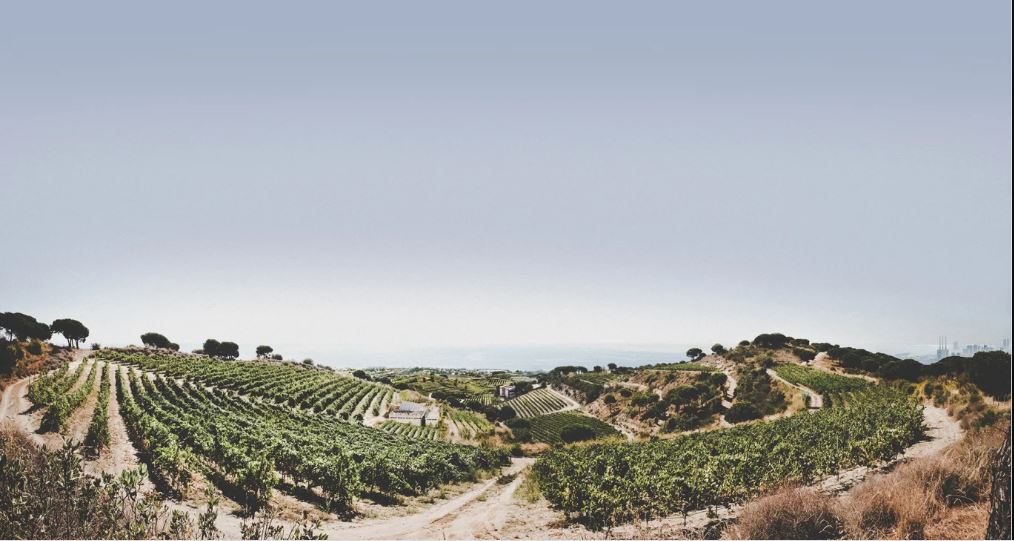
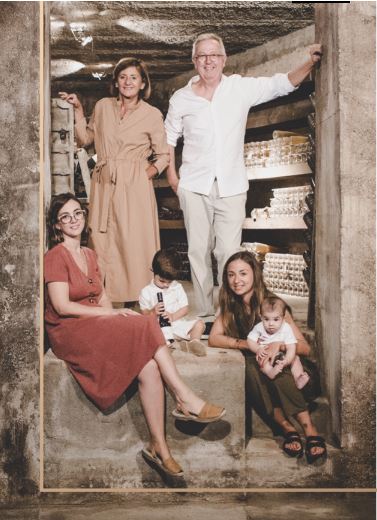
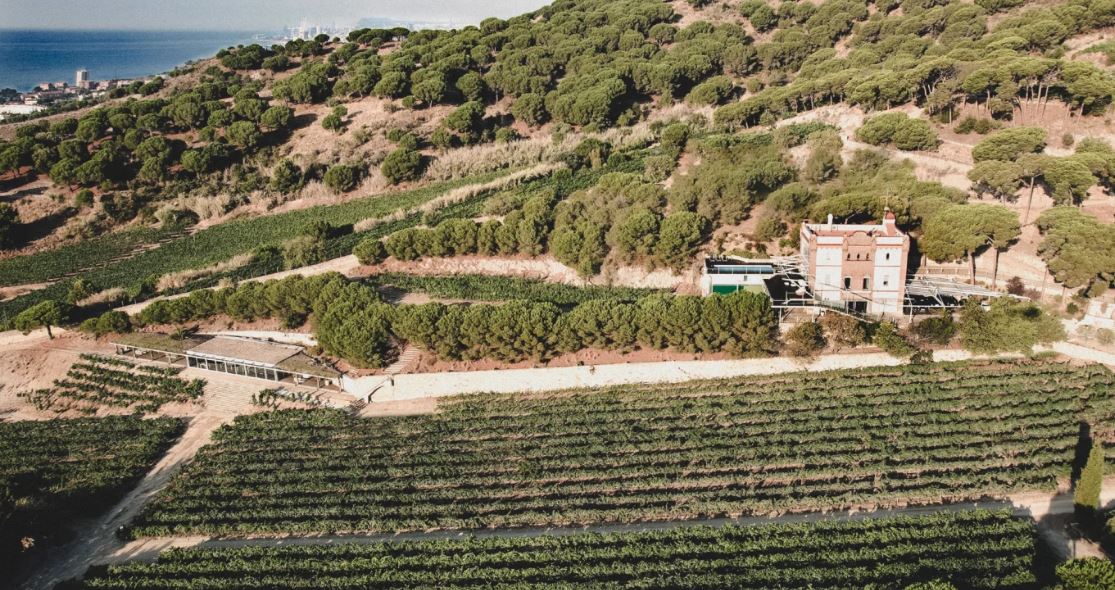
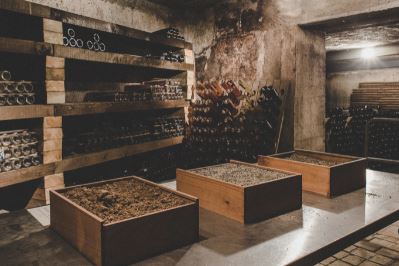
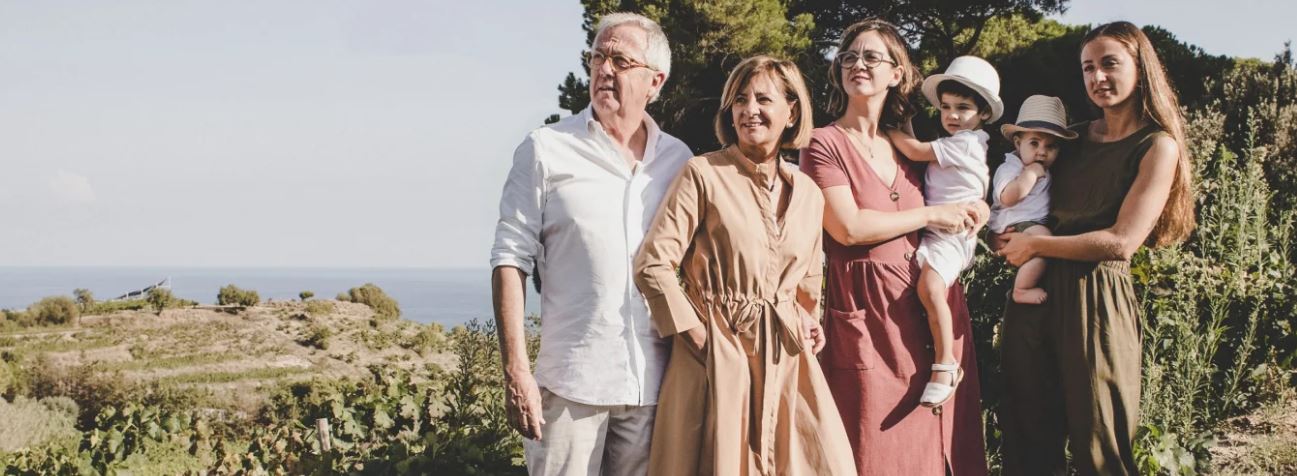
In the heart of the Serralada de Marina Natural Park, just a stone's throw from the Mediterranean Sea and only a few miles from Barcelona, stands the ALTA ALELLA winery—a dream come true for the Pujol-Busquets Guillén family. A family always dedicated to winemaking, Josep Maria and Cristina have spent their entire lives sharing the culture of wine. Their daughters, Mireia and Georgina, grew up surrounded by vineyards, grapes, harvests, and bottles. It is in their DNA.
They understand every single corner of their vineyards and value the roots of each individual vine. Only through this deep respect can the Pujol-Busquets Guillén family maintain their commitment and demonstrate their true love for the land.
The estate is located just two kilometers from the Mediterranean Sea, with vineyards planted on slopes and terraces at altitudes between 100 and 250 meters. The vines grow in Sauló soil, which is one of the most critical elements defining the wines of Alta Alella: an acidic, white, sandy soil based on granite with low limestone and organic matter content, offering excellent natural drainage.
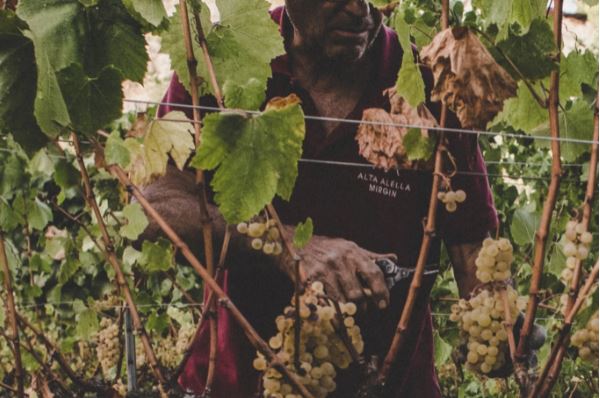
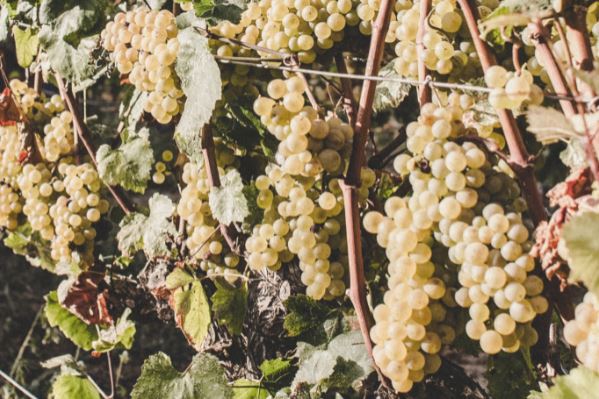
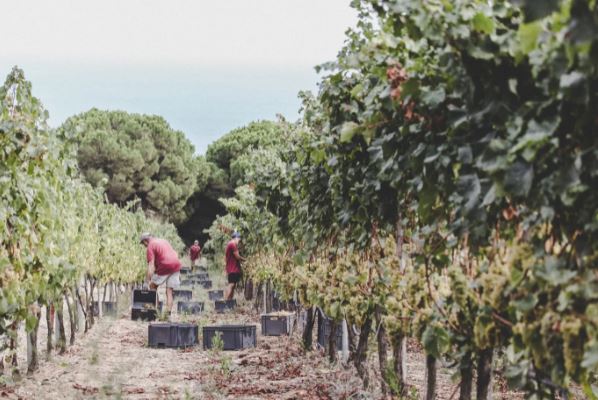
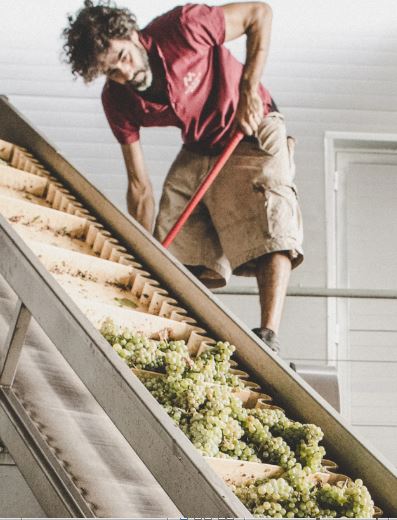
Harvesting is carried out strictly by hand, paying individual attention to each plant through precise ripeness control. They seek the optimal moment to harvest each variety in the healthiest possible conditions to guarantee the finest outcome. The winery works with microvinifications and a wide variety of grapes, producing up to fifty different wines each vintage intended for blending.
Explore our selection and experience the Mediterranean spirit of Alta Alella wines here!




Quinta do Montalto
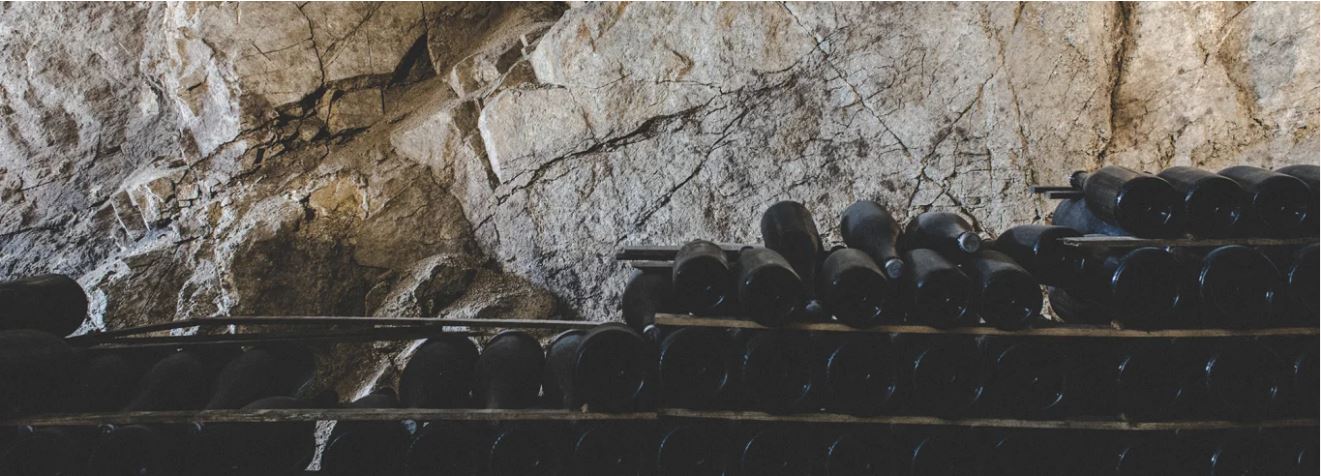
Farma Montalto (Quinta do Montalto), owned by the Gomes Pereira family for five generations, was founded in 1880. It extends over 50 hectares of vineyards, olive groves, orchards, and forests, which together form a beautiful landscape mosaic. The 15.5 hectares of vineyards are part of the extensive Lisbon wine region, planted in clay-limestone soil with excellent sun exposure, allowing the production of DOC Encostas D'Aire certified wines.
Farma Montalto is located in the central part of the country in the Ourém region, near the town of Fátima. In line with winemaking tradition, several grape varieties grow on the farm, most notably Aragonez and Fernão Pires, which are the most representative red and white grapes. Furthermore, we can find varieties such as Touriga Nacional, Trincadeira, Syrah, Baga, Alicante Bouschet, Castelão, Moreto, Sauvignon, Arinto, Rabo de Ovelha, and Olho de Lebre.
Out of full respect for environmental protection, all varieties at Farma Montalto are cultivated according to organic farming regulations under the control of ECOCERT-PORTUGAL. This means that no chemical fertilizers, herbicides, insecticides, fungicides, or other synthetic chemicals are permitted. No animal products are used either, making all wines suitable for vegetarians and registered with "The Vegan Society" based in the UK.
The Method – Medieval de Ourém
The vineyards have an average plot size of around 2,500 m², are typically un-trellised (without wires), and feature a balanced proportion of white and red varieties to craft this medieval wine. Only two varieties are used for its production: Fernão Pires for the white must and Trincadeira for the red must. These vineyards have a high vine density of over 4,000 plants per hectare, reaching up to 10,000 plants per hectare. The purpose of this choice is to obtain higher quality grapes rather than a larger production volume.
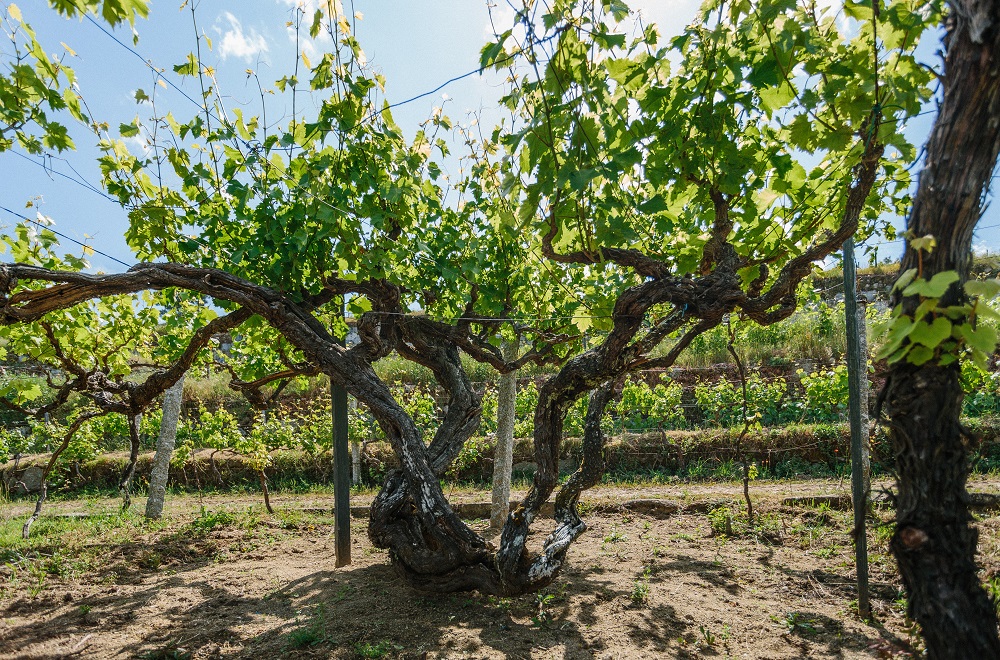
Most of these ancient vineyards are lined with olive and fruit trees, such as apple, pear, and peach trees, which are sometimes scattered throughout the vineyards. Following the "taça" (goblet/bush-trained) system, with three main arms spreading apart, the vines are pruned leaving short spurs and, less frequently, fruit-bearing canes. In all their characteristics, they mirror genuine medieval vineyards.
In the Ourém region, medieval wine is currently produced in small, characteristic wine cellars (modest, dark, and cool, but not damp, usually located underneath the living areas of the house). The harvest must be done by hand, and the white and red grapes are transported to the cellar in separate containers.
The white grapes are pressed, and the resulting must is used to fill wooden barrels up to 80% of their capacity, where fermentation begins.
Subsequently, the red grapes are destemmed using a "ciranda" directly into wooden vats called "dornas" (less frequently in stone "lagares"), and fermentation lasts four to ten days with grape skin maceration. At least twice a day, the cap is punched down using a wooden tool called a "rodo" to obtain a red must with the necessary quality parameters.
Near the end of both fermentations, the unpressed red must containing the skins (20%) is poured directly into the wooden barrels where the white must (80%) is fermenting, filling the remaining capacity for a joint final fermentation of both musts. When this final co-fermentation is complete, the cap sinks to the bottom of the barrel, helping to naturally filter the wine.
Although white grapes predominate, the medieval wine turns out "red" in appearance. The result is a smooth yet potent wine with a full, crisp, and complex palate. It is a unique nectar featuring the aroma of a white wine, which varies according to grape maturity, blended with the notes of a red wine—typically blackberry, raspberry, and strawberry. This wine pairs perfectly with the rich gastronomy of the region and several typical Portuguese dishes, especially those prepared with plenty of olive oil, such as grilled cod with "chícharos" (chickpea-like beans) and "migas" (thinly shredded cabbage leaves with rice, bread, and beans).
Explore our selection and experience the taste of history with Farma Montalto's medieval wines here!


Domaine des Carabiniers
Domaine des Carabiniers is located in the heart of the right bank of the Rhône River, covering a total area of 50 hectares across the Tavel, Lirac, Côtes-du-Rhône, and IGP Pays d'Oc appellations. Here, the vines thrive on a terroir of sand, silt, and rolled pebbles, nurtured by the enchanting power of the Provençal sun.
The Origin of the Name
In the 14th century, the papal seat was located at the Palace of the Popes in Avignon. The area was guarded by Italian horse guards known as "carabiniers." Since then, the region has been known as "Carabiniers." As the winery's cellar was built on the site of a former stable where the carabiniers kept their horses, the family preserved the name, and the horse became the symbol of the domain.
The Roots of the Leperchois Family
The Leperchois family originates from Santa Croce sull'Arno, a small village south of Tuscany, about 40 km from the sea. The family's ancestors emigrated to France due to the economic crisis that hit Italy in the 1920s. In Italy, their ancestors were involved in growing both table and wine grapes. Part of the family also worked in tanneries three generations ago.
Upon arriving in France, the family started anew, initially working as winemakers for various domains. In the 1930s, they acquired 3 hectares of land, delivering their grapes to the village cooperative. In 1974, Christian Leperchois took over the vineyard, expanded it to 9 hectares, and began selling bottled wine—first Côtes-du-Rhône in 1974, followed by Tavel and Lirac in 1980. The wine cellar was also built during this time.
In the 1980s, Christian acquired another 11 hectares, followed by 10 more in the 1990s. Since the 1990s, the entire vineyard transitioned to organic farming, receiving its ECOCERT certification in 1997. The fifth generation of the family, Christian's children Magali and Fabien, expanded the estate to its current 50 hectares in 2000.
Today, Magali and Fabien represent the fifth generation working on the estate. Fabien joined his father in 2006 as Maître de Chai (Cellar Master). He converted the entire estate to biodynamic farming and obtained Demeter certification in 2009. Demeter International is the sole international certification body for biodynamic farms and products. In 2013, Magali joined to manage administration and sales. In 2015, the "Biodynamic Wine" company was established, allowing Fabien and Magali to manage the estate and market the wines from the vineyard.
They now manage the domain alongside a team of six permanent employees, supported by seasonal workers in the vineyards.
They produce wines under the Tavel, Lirac, Côtes-du-Rhône, Châteauneuf-du-Pape, and IGP Pays d'Oc appellations. The wines are crafted using natural yeasts, without additives or added sulfites. Minimal stabilization is performed only on certain products during bottling. The goal is to reduce sulfur dioxide as much as possible to preserve the natural aromas for maximum consumer enjoyment.
Emphasis on the Health and Vitality of Plants, Soil, and Biodiversity
A long-term vision that gives the utmost attention to vegetation, fruit, vines, and wine!
Just like the greatest chefs, for whom the secret to an excellent recipe lies in top-quality ingredients, a great wine starts with excellent grapes and preserving the balance of the land. Terroir cannot sustain itself alone; therefore, it is vital to respect the earth and its quality to avoid depleting it.
- Preparation 500P: Horn manure that develops the soil. This highly nutritious compost is applied to stimulate roots and nourish underground microbial life. Healthy root growth is crucial for the vine's health and quality. Horn manure stimulates the microbial activity necessary to provide natural reserves to the vines during winter.
- Preparation 501: Also known as horn silica, this is sprayed onto the leaves to help plants capture the intensity of light, warmth, and moonlight, thereby boosting photosynthesis.
They primarily sell to international markets across nearly all continents, with international sales representing 70% of their business. Their wines are distributed in North America, South America, the Antilles, Europe, Central Asia, Asia, and Oceania.
Across their 50 hectares, they produce approximately 320,000 bottles annually.
Explore our selection and taste the biodynamic excellence of Domaine des Carabiniers wines here!

A&D Wines
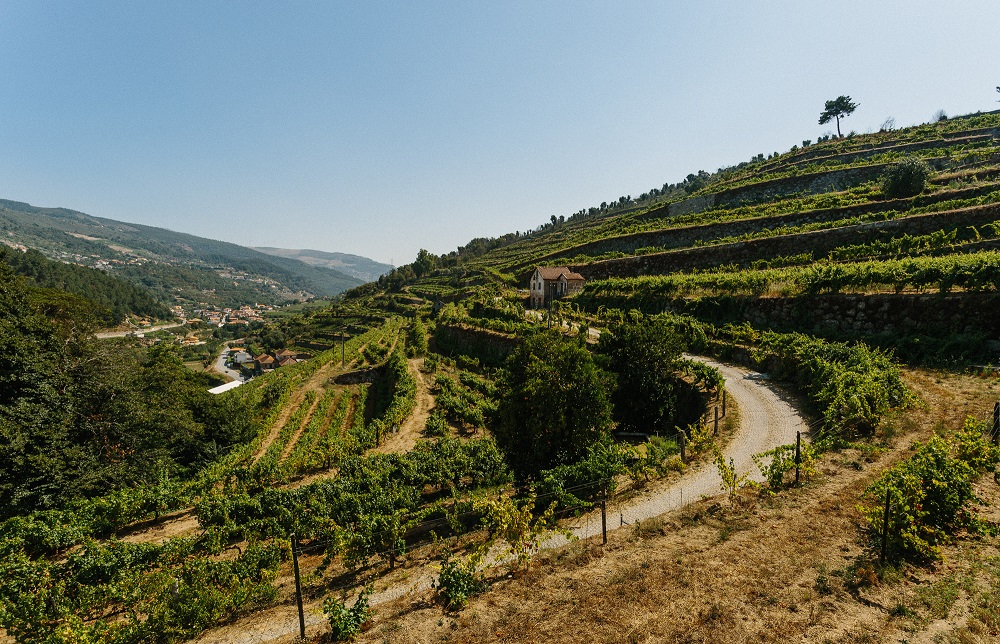
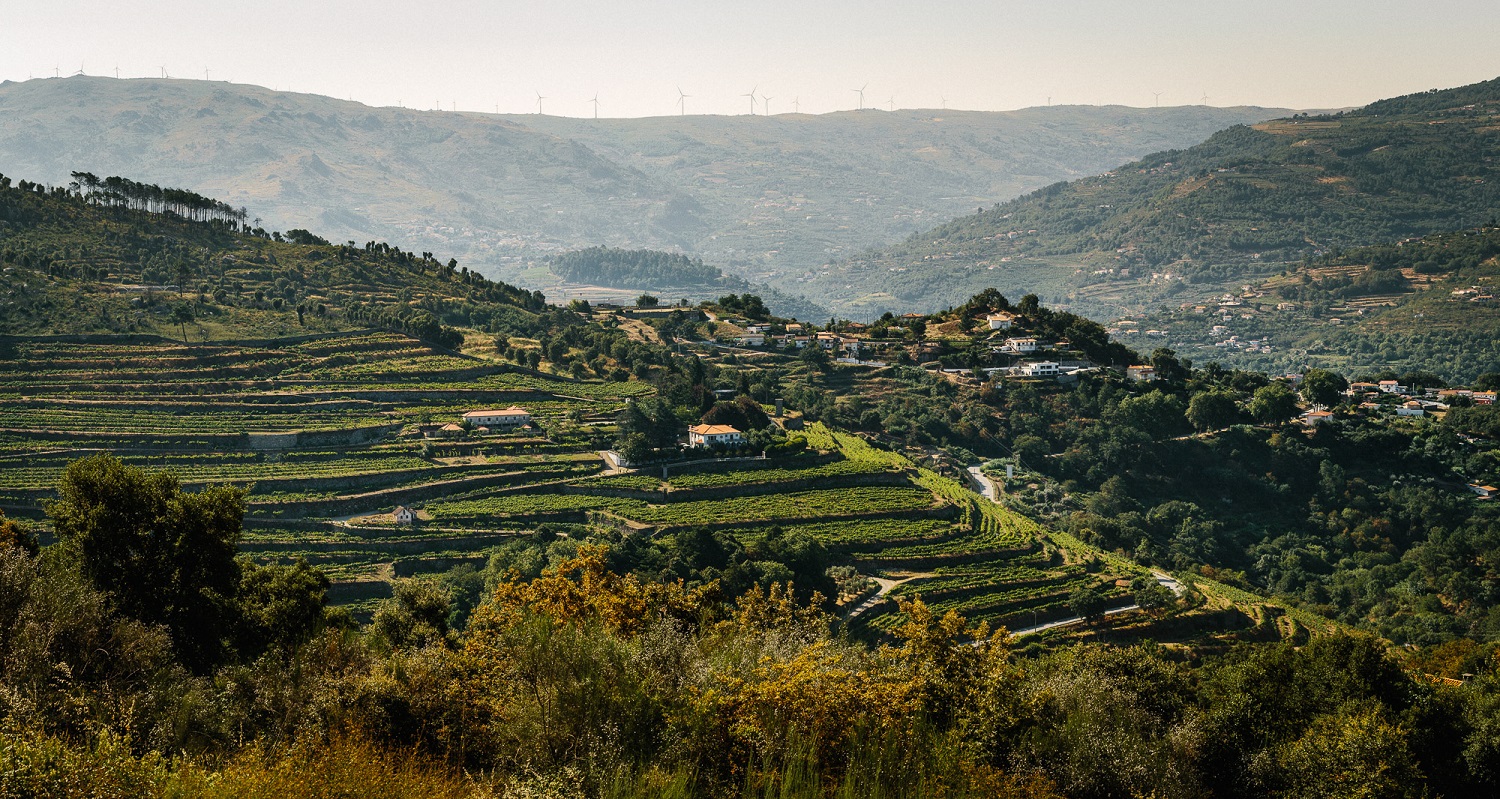
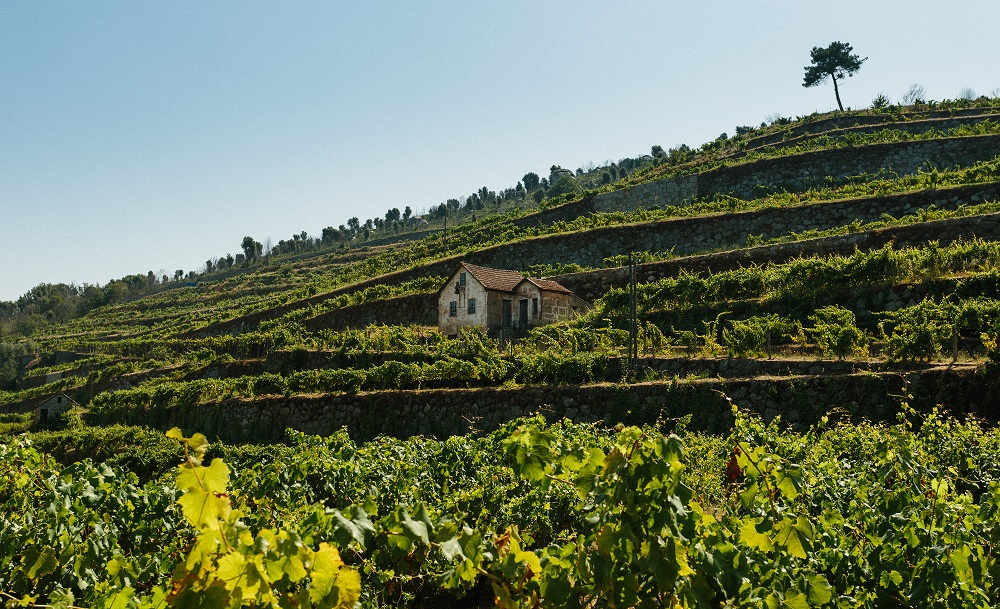
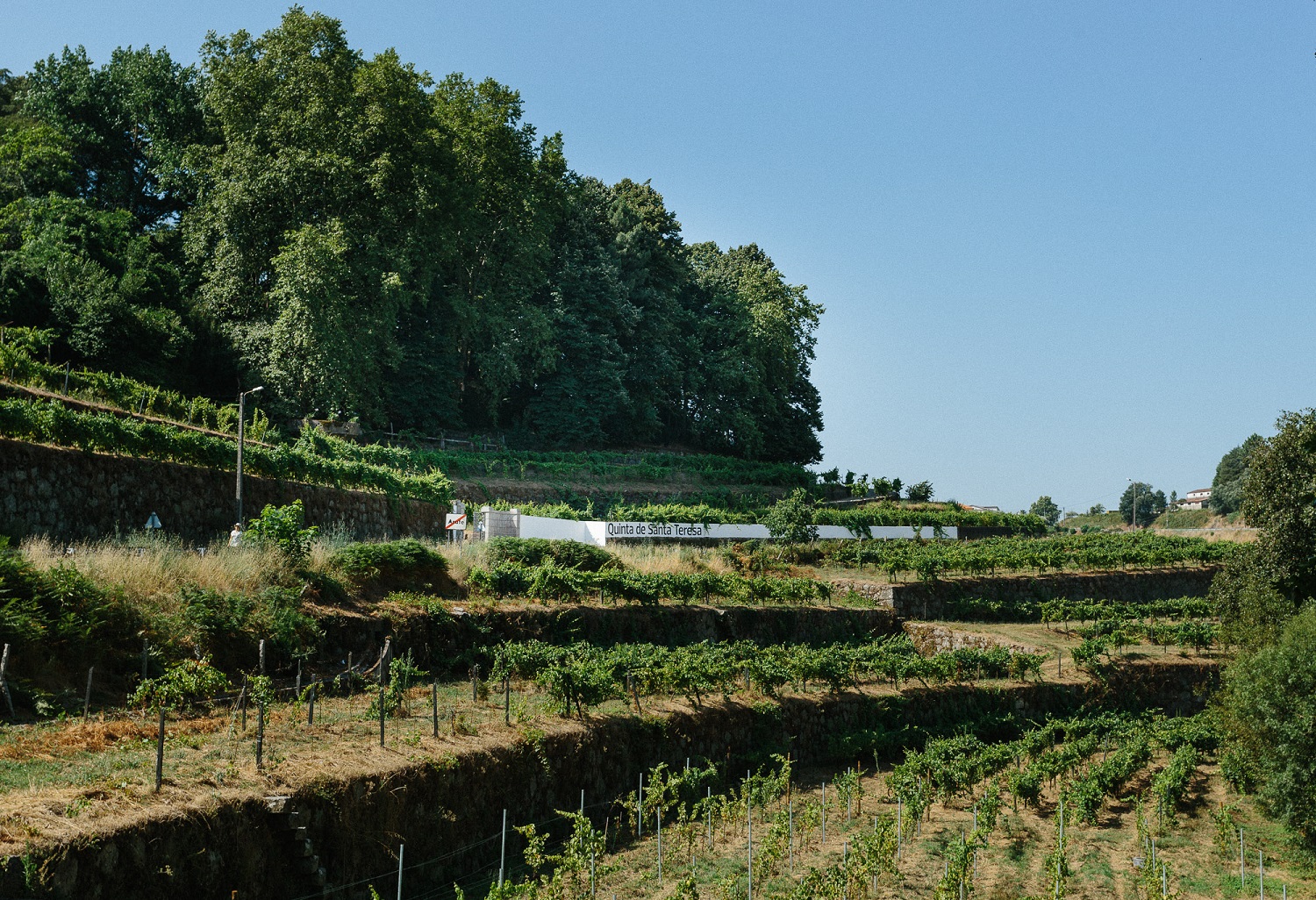
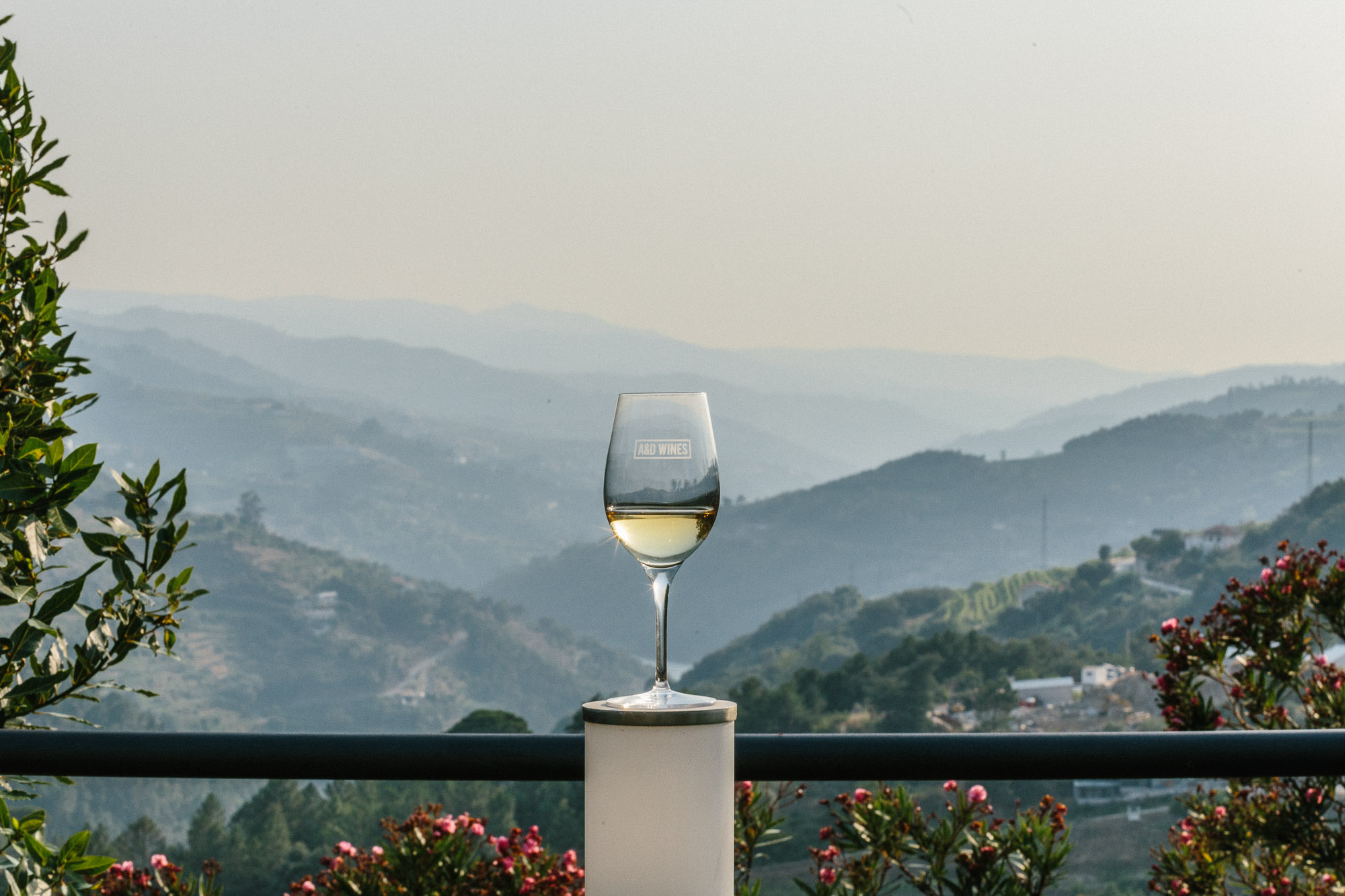
A continuous, walled area of 33 hectares of vineyards in the Vinho Verde region, specifically on the border of the Baião sub-region and the Douro region, presents excellent and unique characteristics for winemaking. The estate is structured into terraces supported by granite walls and accessible via paved pathways.
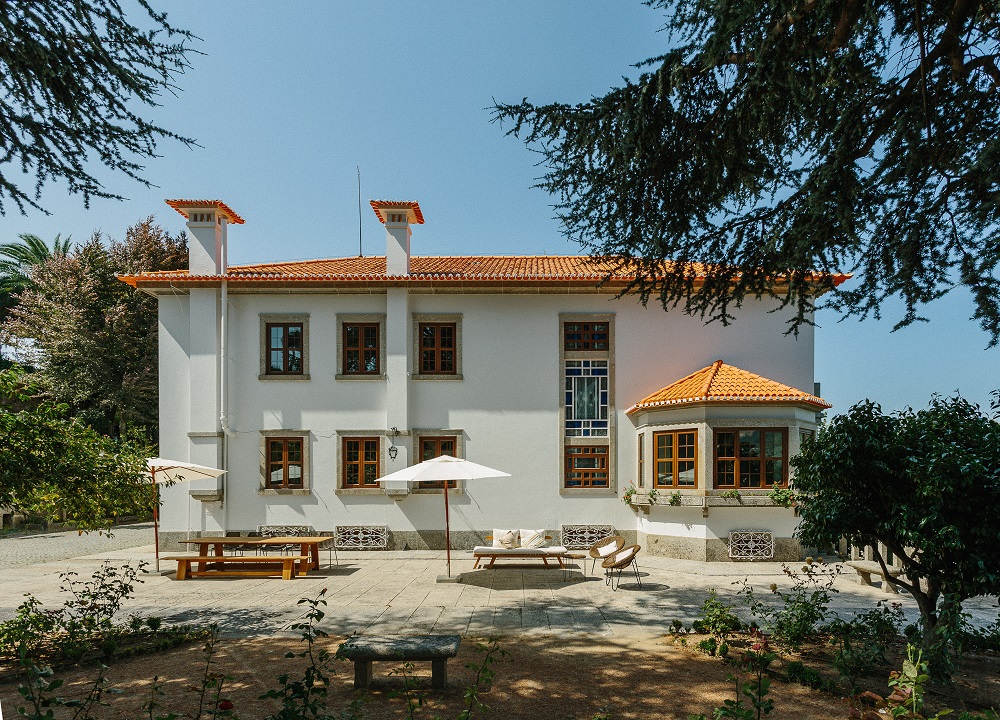
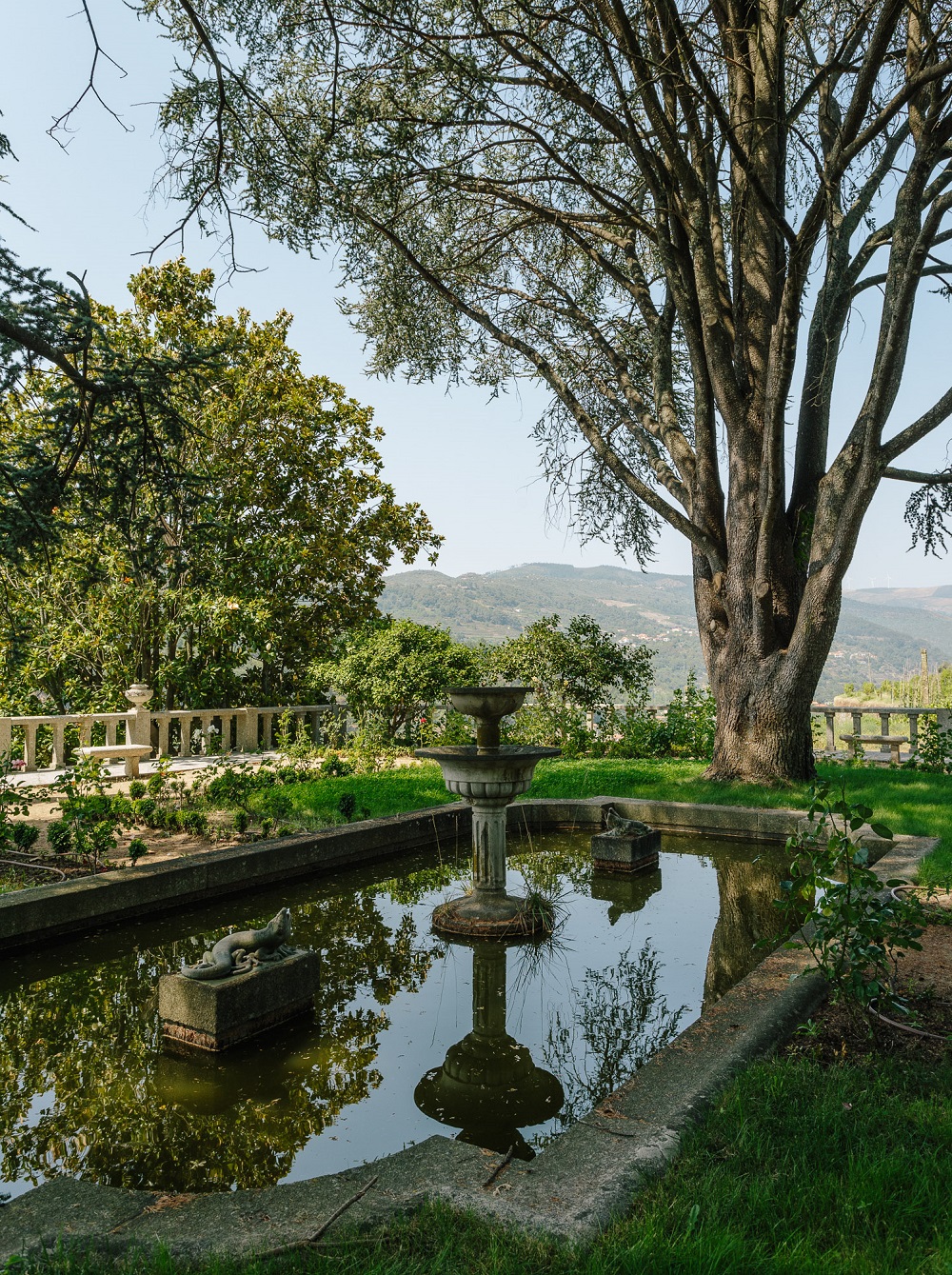
The old winery building tells the story of a grand wine-producing estate. To support current operations while awaiting full restoration, a temporary cellar was established in 2015, which now serves as the production hub for A&D Wines. Quinta de Santa Teresa features several architecturally valuable structures, from the main manor house to smaller residences used for housing or agricultural support. Gardens, ponds, a tennis court, a swimming pool, and forests are scattered across the property, offering many pleasant spaces and beautiful corners.
Preserving the ecosystem (water, biodiversity, and careful human intervention) is a top priority for creating authentic terroir wines. A&D Wines supports local communities by hiring and training local staff, celebrating what is genuine and original about Portugal. The winery promotes soil regeneration by composting vine by-products (leaves, prunings) back into the earth and encouraging cover crops that help fix nutrients.
They use no herbicides or synthetic treatments, maintaining a preventative approach to vineyard care by fostering fauna and flora that naturally suppress diseases. Protecting water resources is essential; carefully managed ground cover helps maintain optimal moisture levels in the soil. Water is treated as a precious asset and used responsibly. During the vine's dormant phase, they encourage sheep grazing in the vineyards to manage vegetation growth and provide natural fertilization.
For white wines, they cultivate Avesso, Arinto, Alvarinho, and Malvasia; for rosé, Touriga Nacional and Vinhão. The vineyards consist of restructured plots around 10 years old alongside plots with old vines.
CASA DO ARRABALDE
A family agricultural estate for generations, this is where they made their debut and learned the art of viticulture and winemaking, treating both crafts with equal importance and nobility.
The proximity to the Marão mountain range provides a combination of sunny days, cool breezes, and well-drained granite soil—ideal characteristics for cool-climate viticulture. The estate spans 5 hectares of plots with vines around 20 years old. Featuring Avesso, Arinto, and Alvarinho varieties, the vineyard is surrounded by walnut groves, fruit trees, and woodland, which enrich the property's biodiversity. Here, everything is authentic, delivering rich and unique aromas and flavors directly from the land.
QUINTA DOS ESPINHOSOS
Boasting a unique microclimate with excellent sun exposure, warm days, and a wide diurnal temperature range, this estate shapes the distinct character of its wines.
The vineyard features Avesso and Chardonnay varieties arranged on narrow terraces that follow the natural contours of the hillside. Spanning 7 hectares, Quinta dos Espinhosos creates an authentic serpent-like shape across the local landscape. They deeply value and protect local biodiversity, particularly the wild rosemary that grows abundantly on the vineyard slopes.
They take immense pride in their land, their people, and their wines, tirelessly caring for and improving their vineyards with the utmost respect for nature. They believe this dedication is the key to achieving outstanding wine quality.
Explore our selection and experience the crisp, granite-driven character of A&D Wines here!


Le Spinee
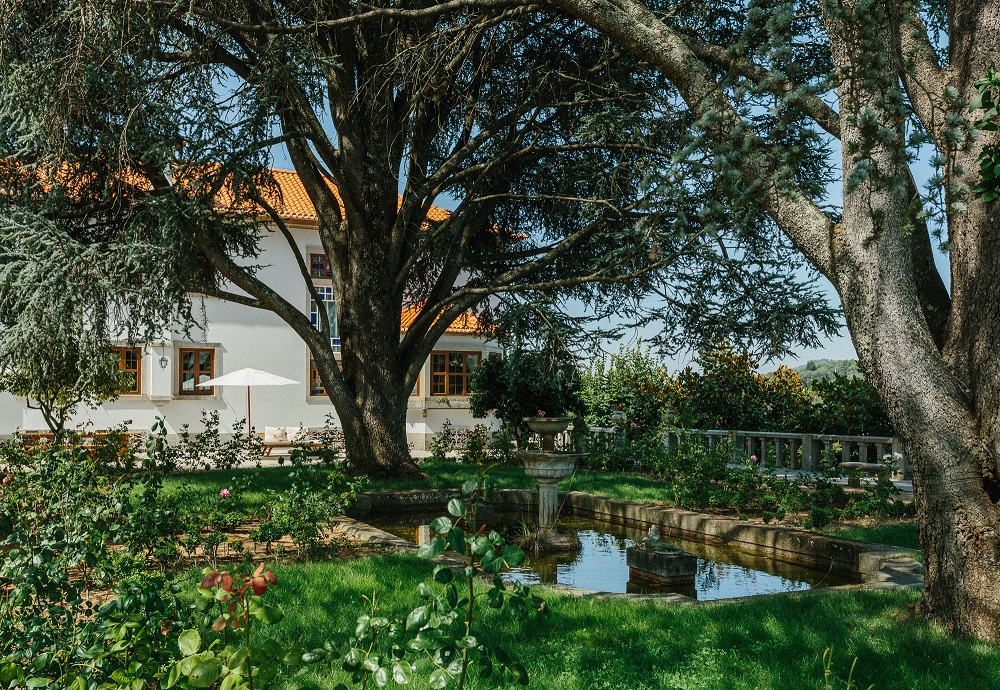
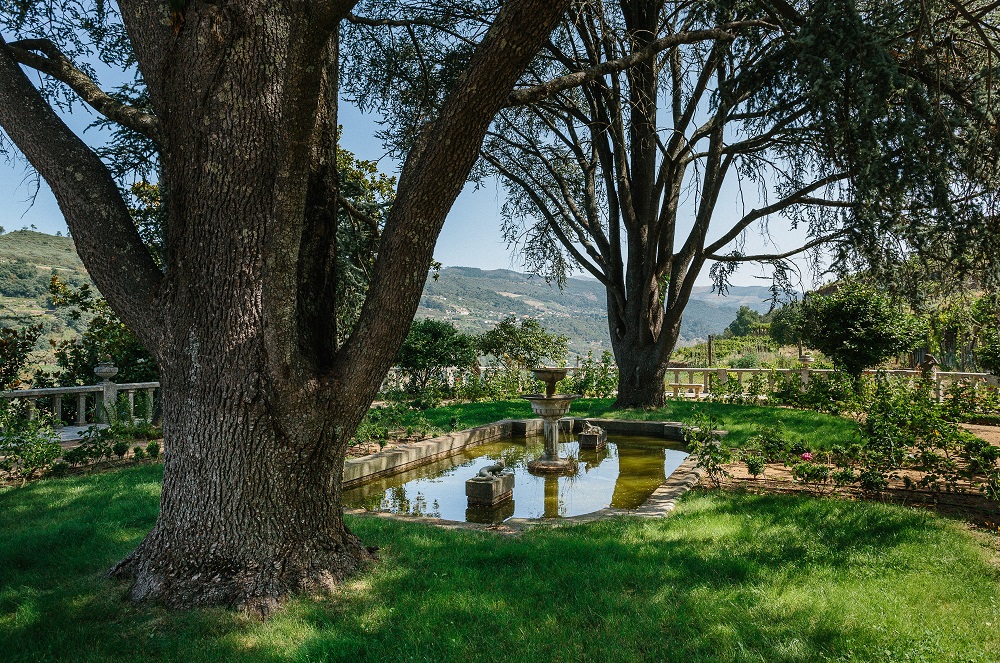
The Durante farm (Azienda Agricola Durante) is located in the northwestern part of the "Piave DOC" appellation in the province of Treviso. This region owes its exceptional development to the dedication and continuous interaction with the land and its natural resources. The Piave DOC area covers a vast plain bounded by the sea to the south, the hills of Conegliano and Montello to the northwest, and bordered by the Friuli region to the northeast, with the Piave River flowing through its entire length. The names of great wines are linked to the Piave River, thanks to the favorable composition of the surrounding soil, which is ideal for cultivating magnificent vines. Each wine is crafted with the same dedication, respecting ancient natural laws while incorporating a modern touch.
In this region with a long winemaking tradition, you will find the Durante farm, a small family winery situated at the foot of Mount Montello, managed by father Lino and his two sons, Ivano and Michele. The Durante farm spans an 18-hectare estate, which is also known as "Le Spinee"—a name that has been adopted as the winery's logo. An additional 1,500 square meters of land are dedicated to the winery facilities and also serve as a shelter for horses.
The name "Le Spinee" is derived from a site once inhabited by monks. Thorny bushes and brambles began to grow on this land, hence the Italian term for "thorns"—"Le Spinee."
Today, this part of the estate has been transformed into a lush wine-producing property where both Ivano and Michele, striving to continue the tradition passed down by their grandfather and father, have been fully committed to organic farming since 1998.
Explore our selection and taste the organic passion of Durante wines here!

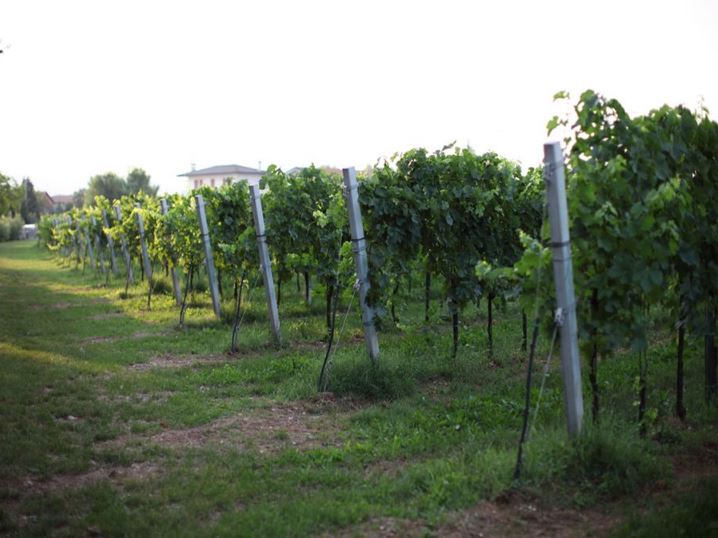
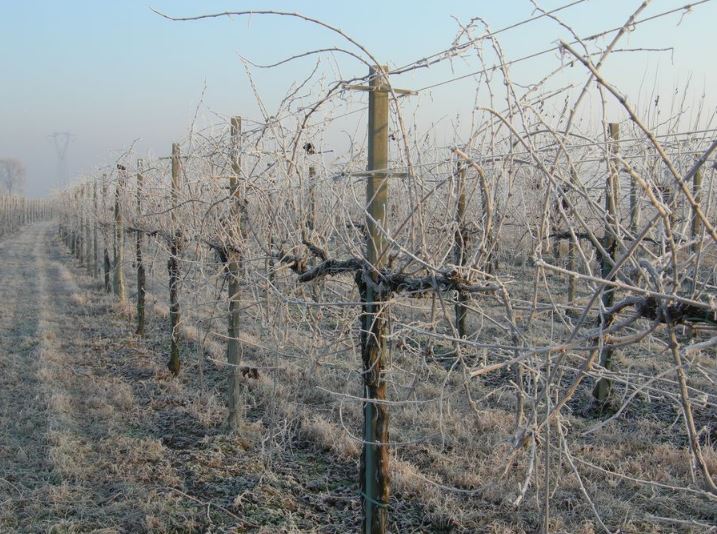
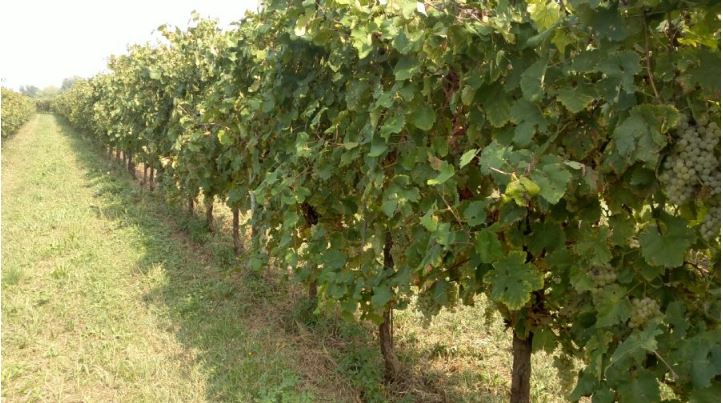

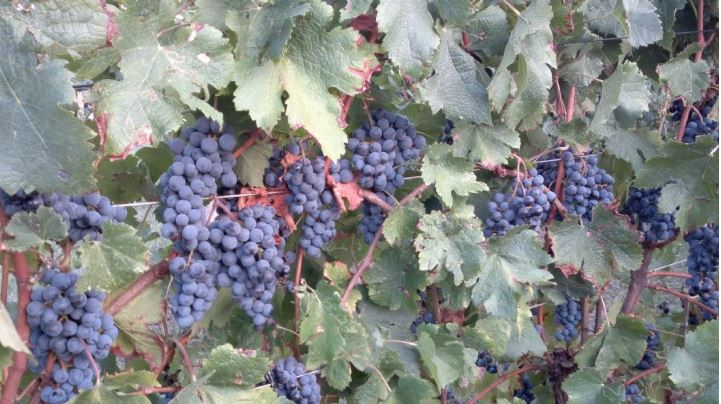

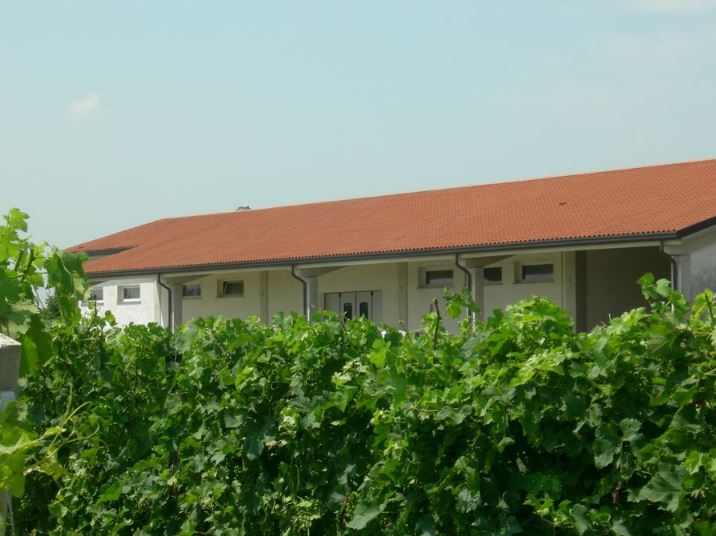

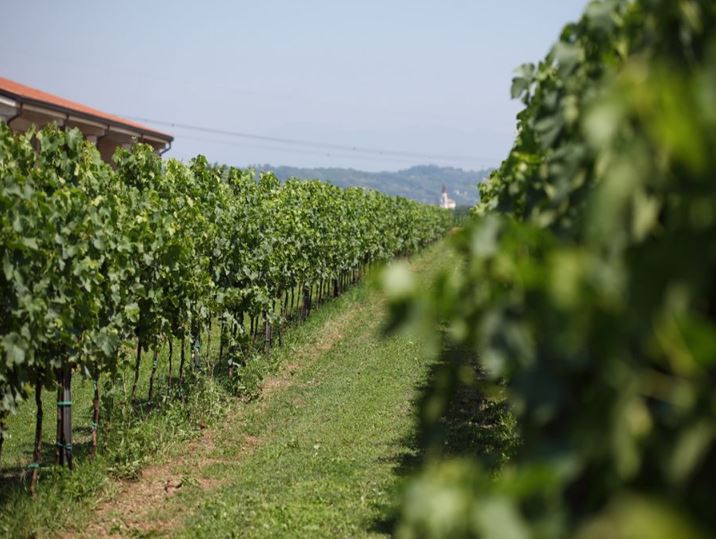

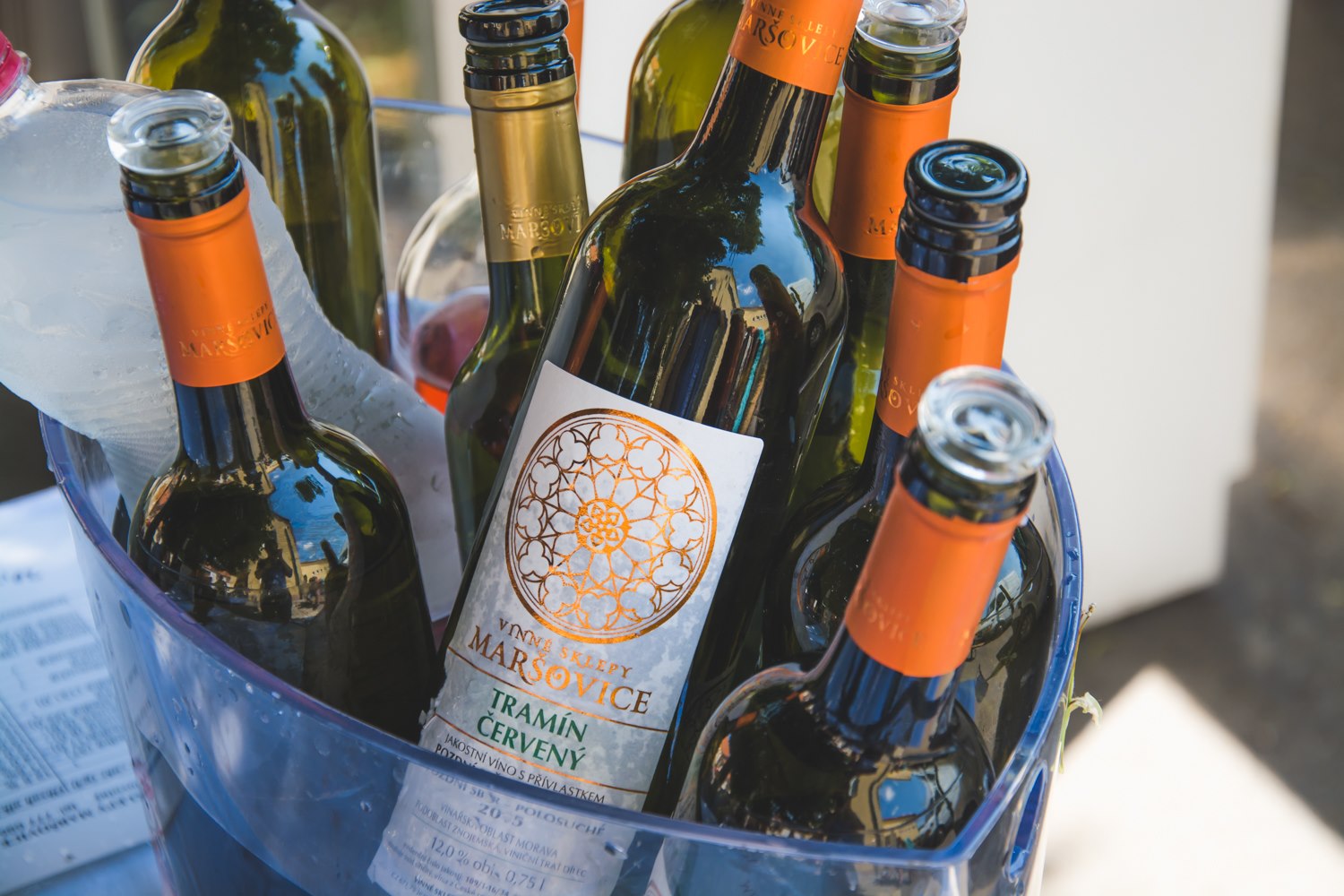
Vinné sklepy Maršovice
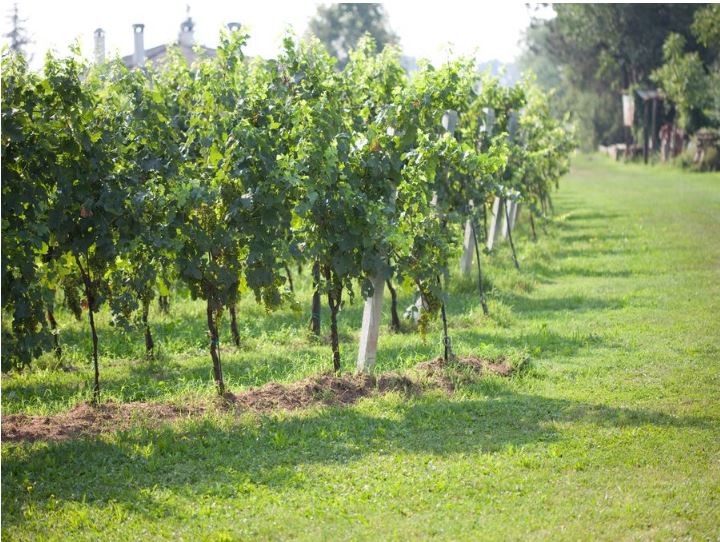
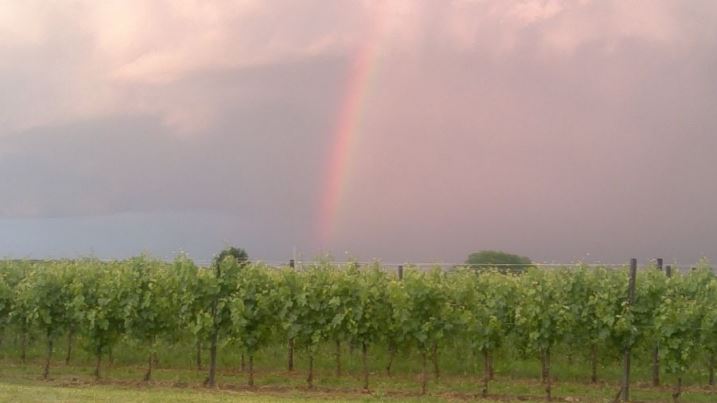
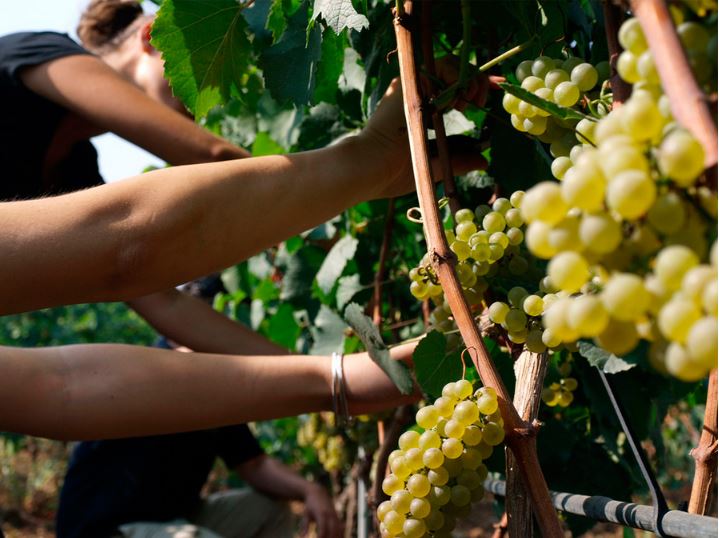
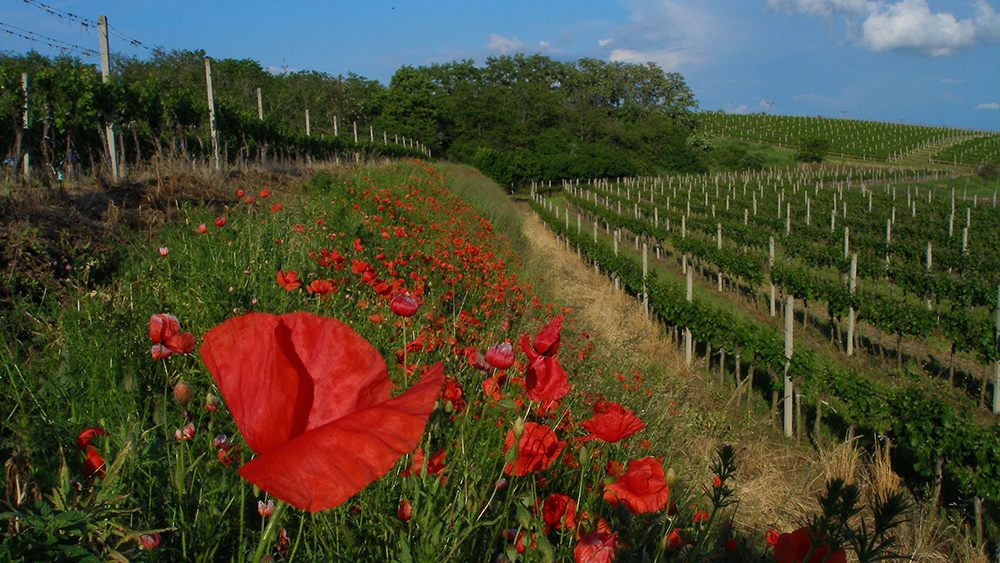
První vinohrady v okolí Maršovic vznikly pravděpodobně už ve 12.století, společně se založením nedalekého kláštera v Dolních Kounicích. Révě se na místních svazích skvěle dařilo, což potvrzuje i místní urbář, který v 17.století píše, že se zde "...velmi dobrá vína lahodná dobře rodí".
Následovalo období největšího rozkvětu, které však skončilo na sklonku 20.století, kdy byla většina vinohradů napadena révomorkou a téměř zničena. I to bylo důvodem, proč se v 90.letech rozhodli navázat na předchozí generace a začít obnovovat tradiční viniční tratě.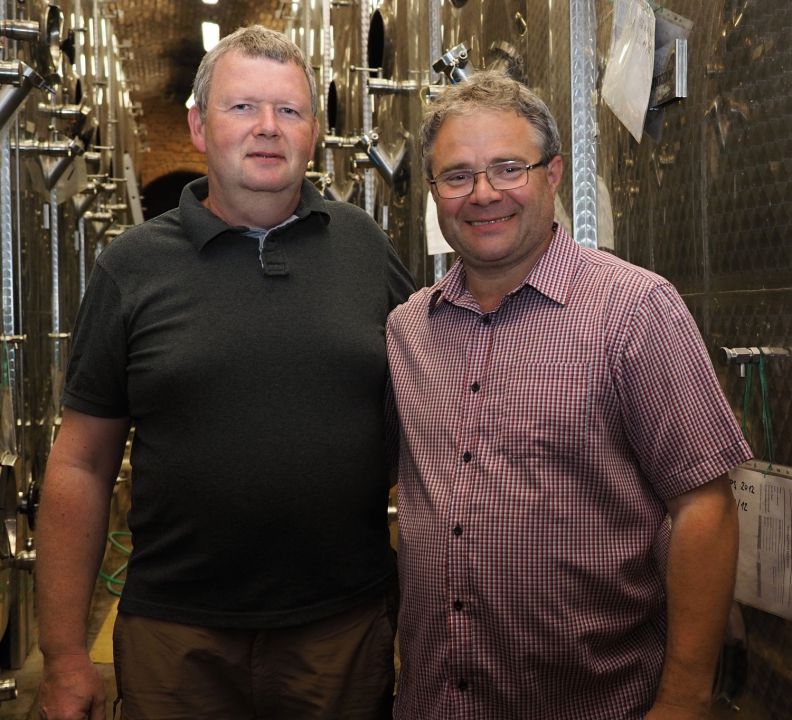
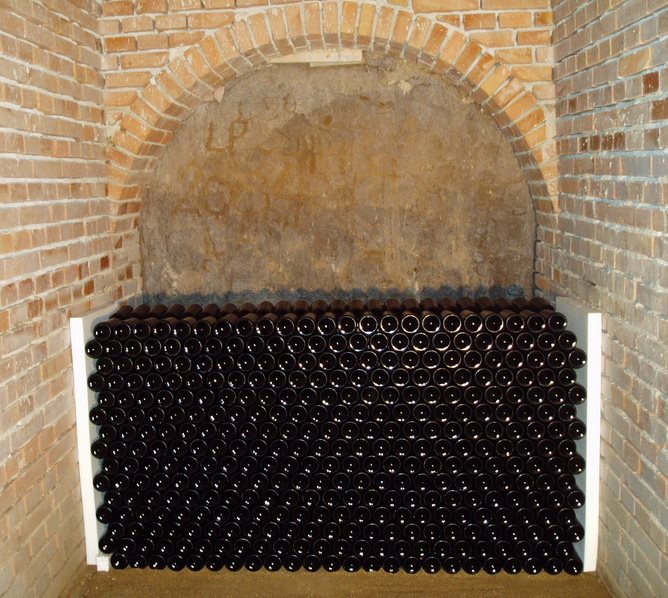
V prvních letech se učili vinařskému řemeslu a hledali tajmství výroby toho nejkvalitnějšího vína. Postupně rozšiřovali zázemí pro výrobu vína a s pomocí široké rodiny se jim podařilo vybudovat klenutý sklep pro zrání vína. V současné době vyrábí špičková vína oceňovaná na českých i mezinárodních soutěžích.
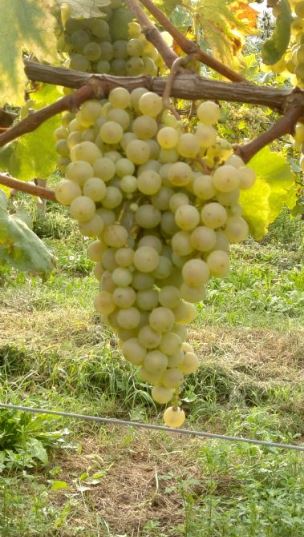
Terroir vinic vytváří členité svazky brněnského masívu, který tvoří hlubinné vyvřeliny skupiny žuly. Díky místnímu mikroklimatu a jílovitému podloží se zde skvěle daří plným červeným vínům, zejména pak odrůdám Frankovka, Cabernet Sauvignon, Rulandské modré, Zweigeltrebe, Svatovavřinecké a Dornfelder.
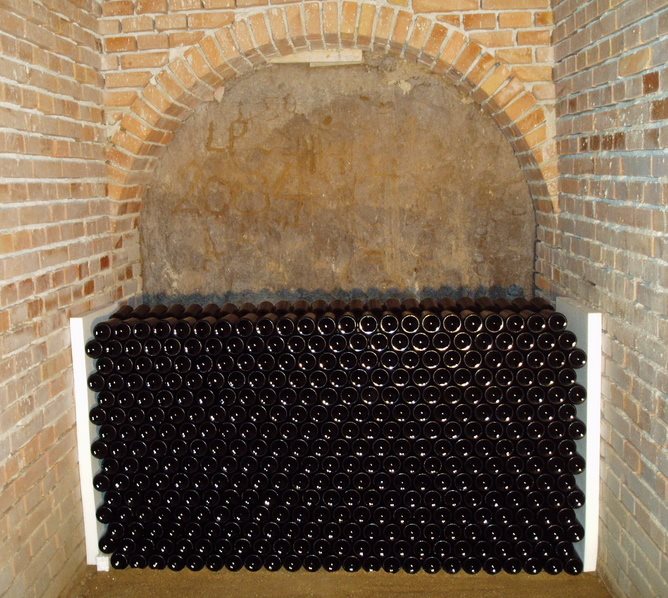 Při výrobě se snaží dosáhnout vyváženého poměru kyseliny a zbytkového cukru, aby výsledné víno bylo příjemně svěží a harmonické.
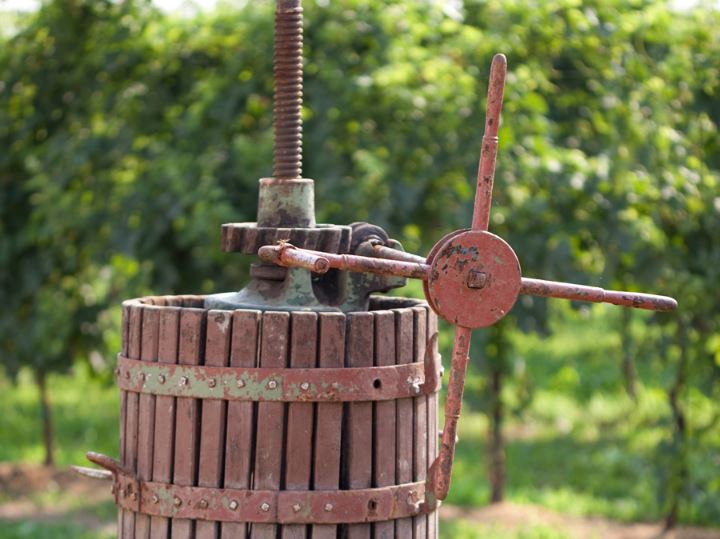
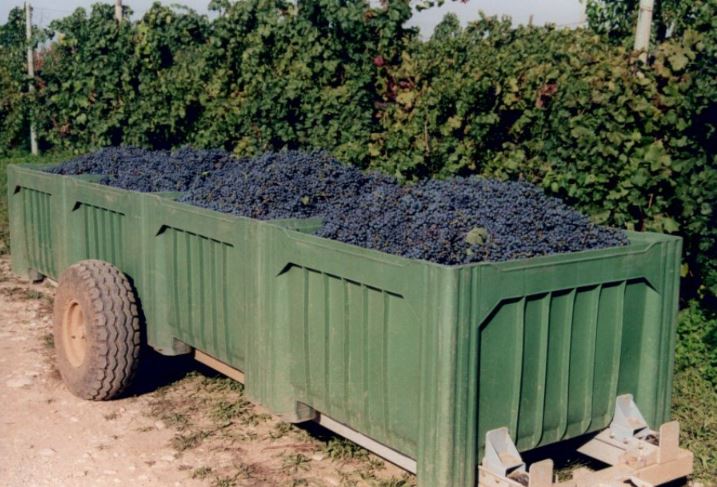
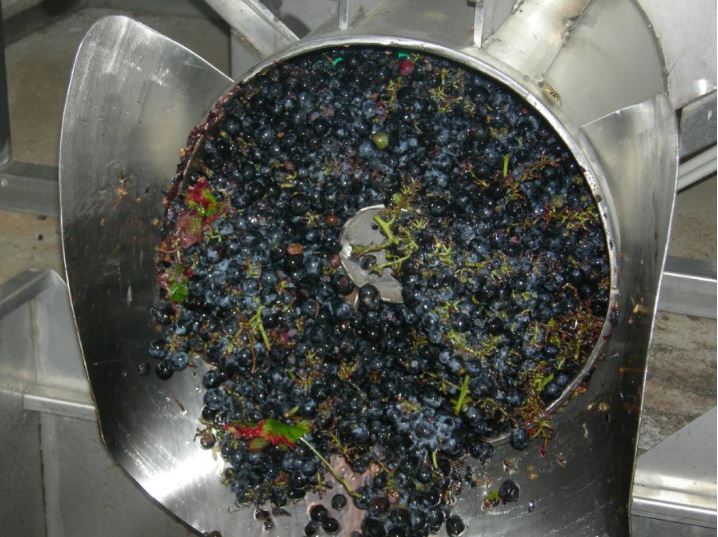
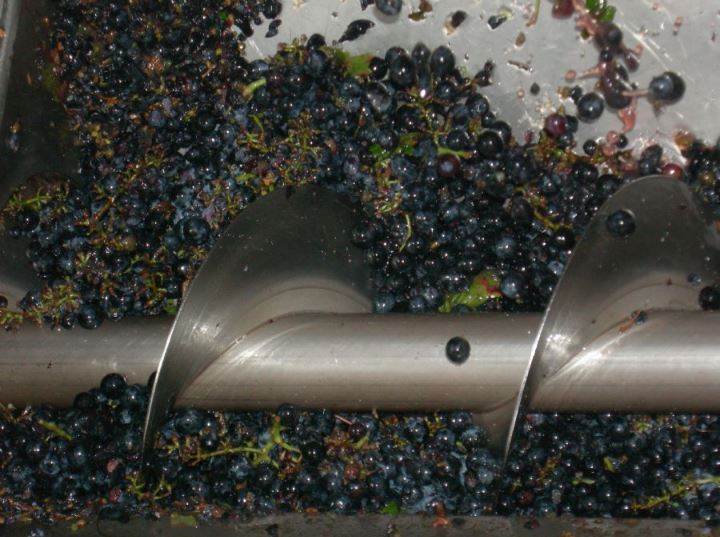
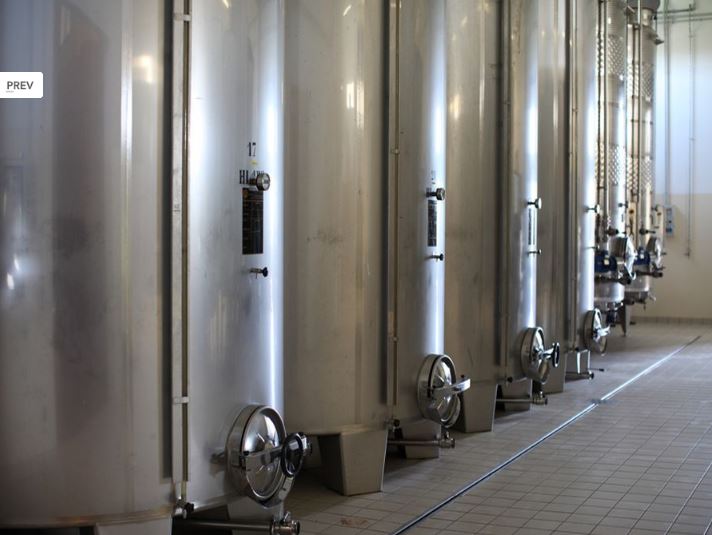
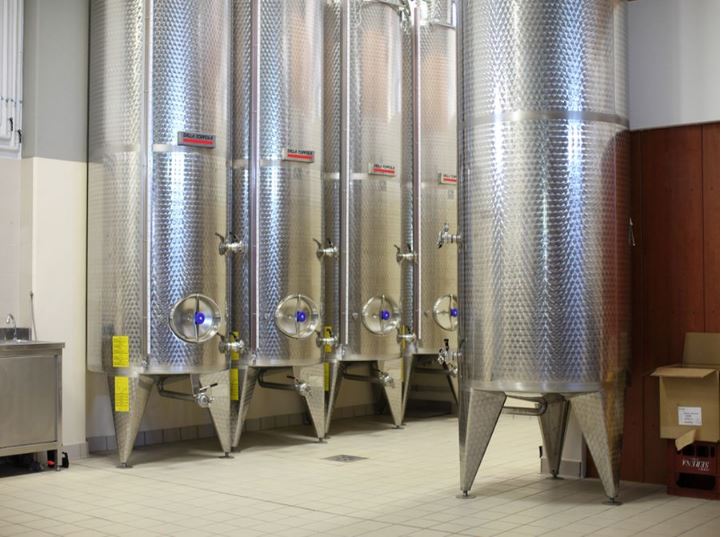
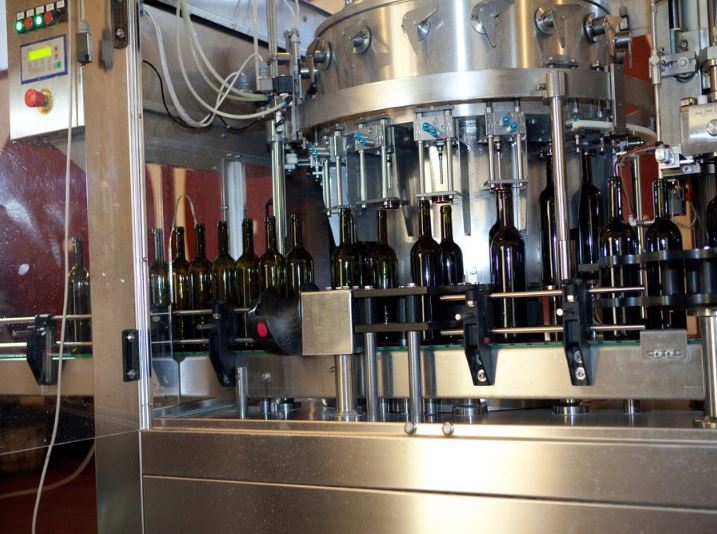
Vína vyrábí z vlastních a pečlivě vybraných hroznů. Sklizené hrozny se zpracovávají v automatických nerezových vinifikátorech s řízeným kvašením při nízkých teplotách. Tento proces eliminuje únik aromatických složek, čímž výsledné víno získává intenzivnější vůni. Hrozny lisují v automatickém pneumatickém listu bez přístupu vzuduch a tím zabraňují nežádnoucí oxidaci. Následně je víno čířeno výhradně přírodními látkami. Zrání vína probíhá v nerezových tancích. Hotová vína se plní do skleněných lahví na automatizované plnící lince, která jim pomáhá ročně vyprodukovat zhruba 100 tisíc lahví vína.
Château des Capucins
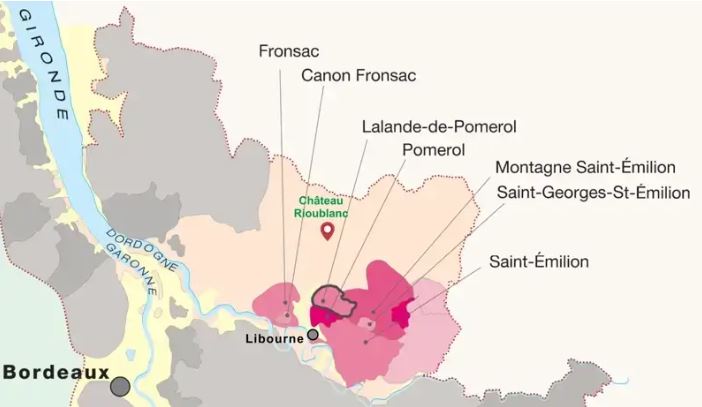
Château des Capucins je vinařská usedlost v AOC Lalande de Pomerol.
 Své jméno má od kapucínských mnichů, menšího františkánského řádu založeného v 16. století. To připomíná zásadní roli klášterů v rozvoji vinice ve středověku po celé Francii.
Spoluvlastníky byli 4 bratři Godineauové. Po rodinných neshodách byli nuceni prodat veškerý svůj majetek.
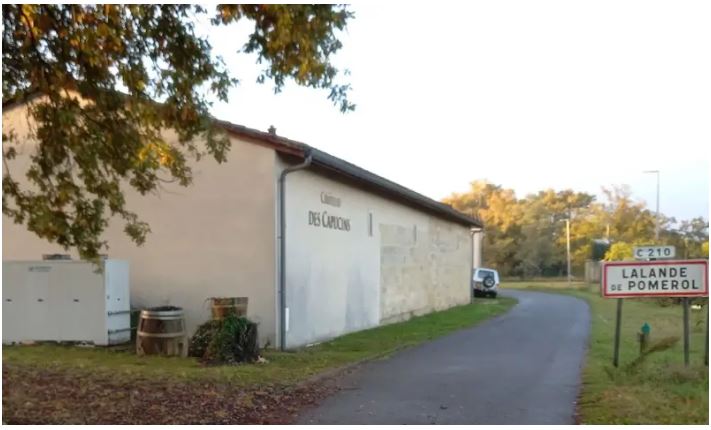
Oblast se skládá z velkého domu k rekonstrukci, vinohradnických budov (hangáry) a vinařství (káď a skladovací sklep). Nachází se na velkém pozemku o rozloze 7000 m² přímo u vjezdu do vesnice Lalande de Pomerol.
- 10ha vinic v apelaci Lalande de Pomerol.
- 2ha různých pozemků
Potenciální přidanou hodnotu vinařské oblasti Lalande de Pomerol zvyšují 4 faktory:
- Krásný terroir ze štěrku na jílu s železnou špínou, ideální pro silná a teplá vína s vynikajícím potenciálem zrání.
- Apelace pouze 1 130 ha (která se nikdy nerozšíří). A před ní celosvětová poptávka, která vždy hledá více „prémiových“ vín.
- Blízkost Pomerolu, apelace, kde se réva prodává v průměru za 2 miliony EUR/ha. S „pouhými“ 250 000 €/ha má Lalande de Pomerol stále velký potenciál růstu.
- Vinice provozovaná výhradně nezávislými vinaři, v Lalande de Pomerol ani v Pomerolu není družstevní sklep!
Průměrné stáří vinné révy je 50 let. To je zárukou kvality, protože právě stará réva dává nejlepší hrozny.
 Je to nádherný terroir, střídavě jílovito-štěrkový a písčitý na podloží dávných naplavenin bohatých na oxid železitý... Ideální pro výrobu skvělých červených vín.
Nový tým má dobře zavedenou obchodní síť, která Château des Capucins otevírá národní a exportní trhy. Když k tomu připočteme kvalitativní skok v průběhu, je jasné, že valuace Domény výrazně pokročí.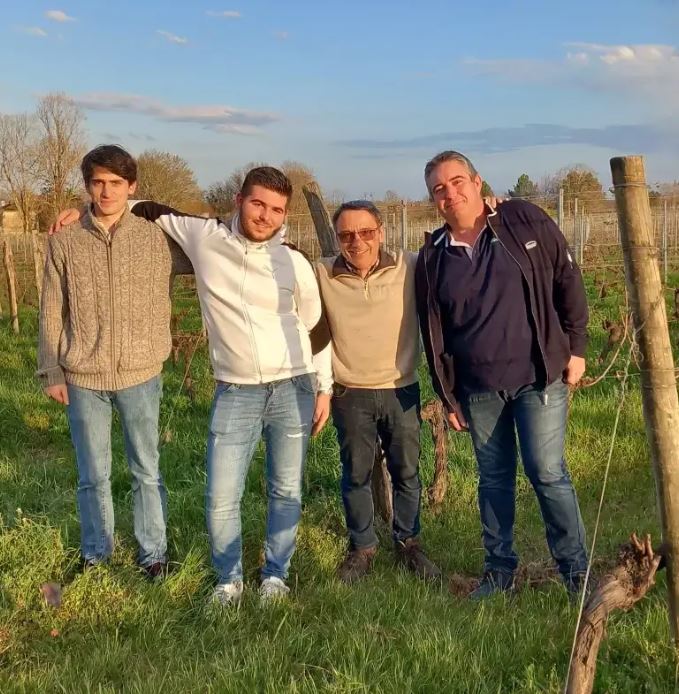
Philippe Carretero
Philippe Carretero (61 let) je vystudovaný inženýr-enolog. Bude sledovat vinifikaci. Bude propagovat vína Château des Capucins jak na francouzském trhu, tak na mezinárodní úrovni.
Fabien Guionneau
Fabien Guionneau (42 let) je také vinařem v St Ciers d'Abzac. Se svými technickými znalostmi vyvinul činnost poskytovatele vinohradnických prací. O vinice se tedy bude starat přímo, a to jak pro ruční, tak i pro mechanické práce.
Paul Carretero
Paul Carretero (29 let), inženýr softwarového inženýrství, bude řídit celý digitální rozměr operací pro výrobu i komunikaci.
Maxime Guionneau
Maxime Guionneau (20 let), technik zemědělských strojů, bude svému otci asistovat se všemi pracemi na vinici.