- Home
- Our winery

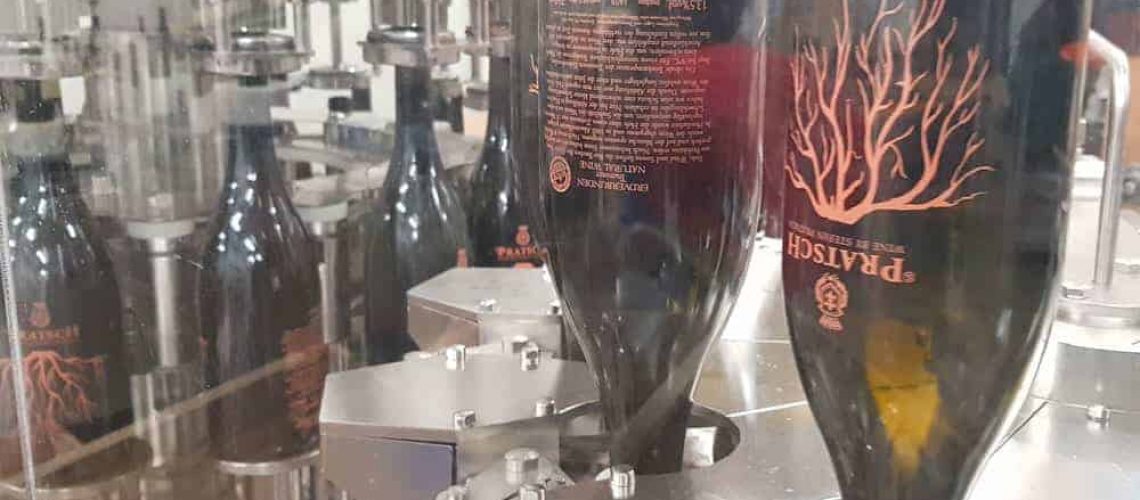
Pratsch
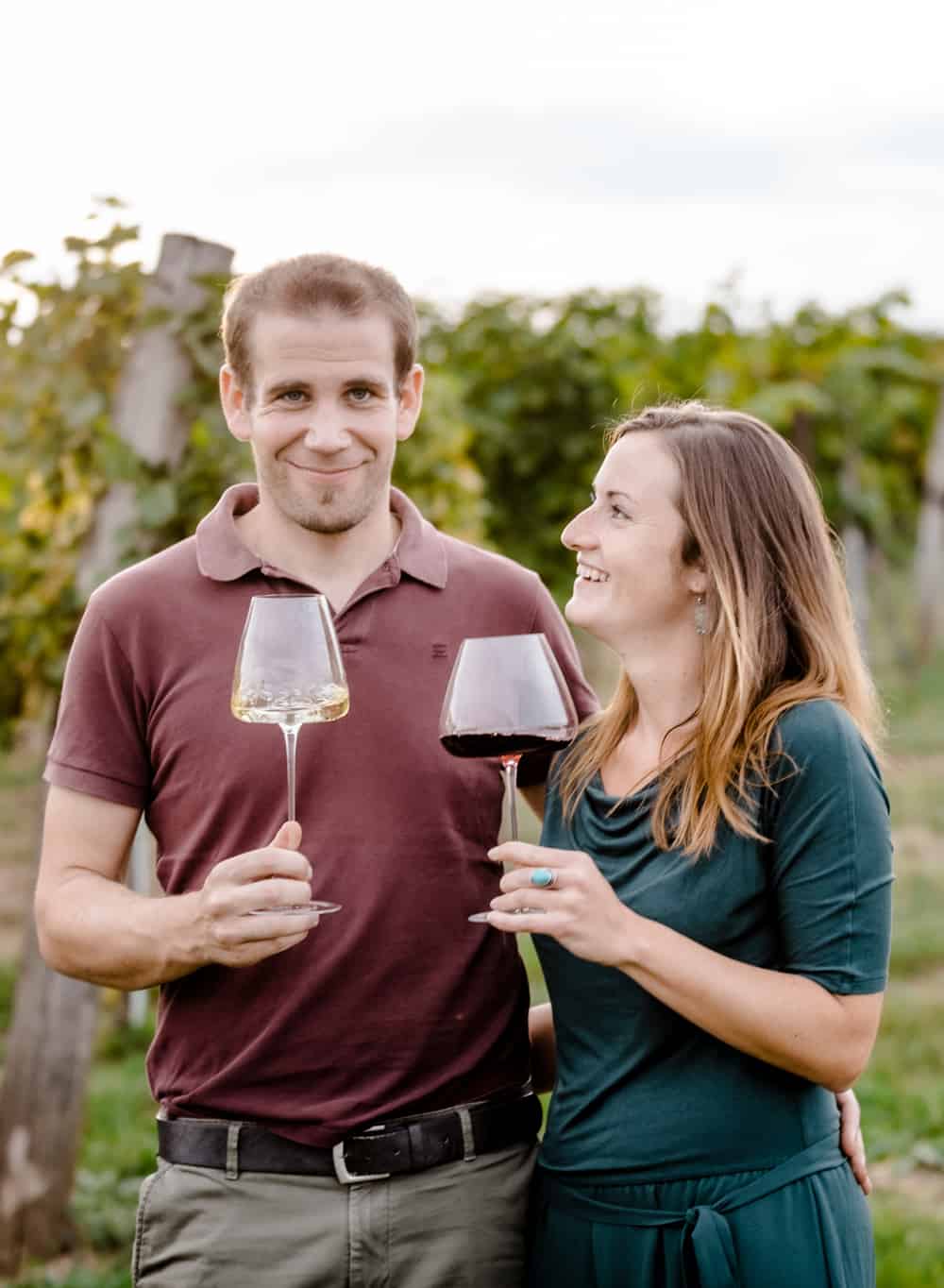
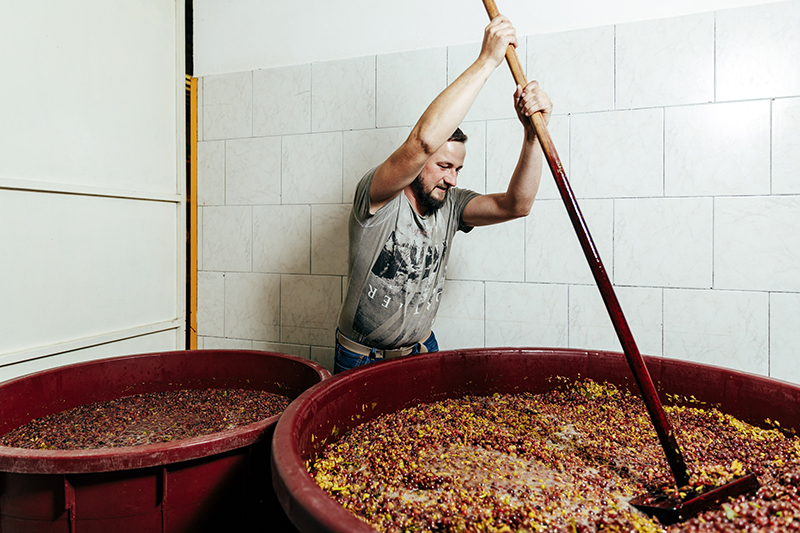
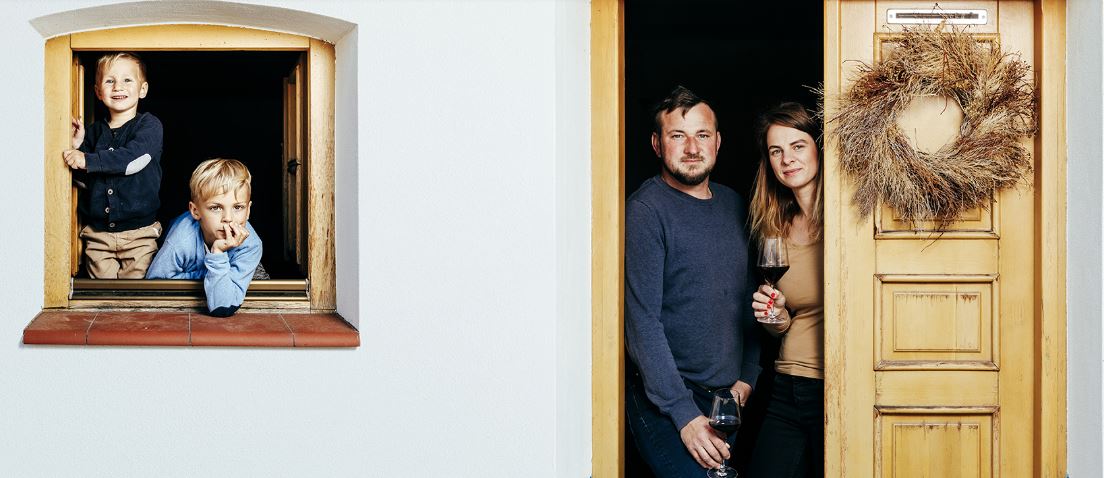
It quickly became clear that Stefan Pratsch, born in 1985, would take over his parents' winery. Following a solid theoretical education at the viticultural school in Mistelbach, he completed his practical training at his family's traditional estate. Then came the time to seek out and perfect his own path.
His parents, Willi and Anneliese Pratsch, his partner Bernadette, business partners, friends, and, above all, feedback from numerous customers have all contributed to the success of this ambition. An exceptionally positive response to his wines in the USA and Scandinavia marked an important milestone. Today, Stefan Pratsch's wines enjoy great popularity worldwide.
The current Stefan Pratsch winery was formed by the merger of two winemaking families in Hohenruppersdorf, who have remained in close contact for generations. The transition to organic farming was a major step on their path to modernity.
Today, wine of the highest quality is cultivated on approximately 20 hectares of family-owned estate land, along with around 30 hectares managed by contract partners.
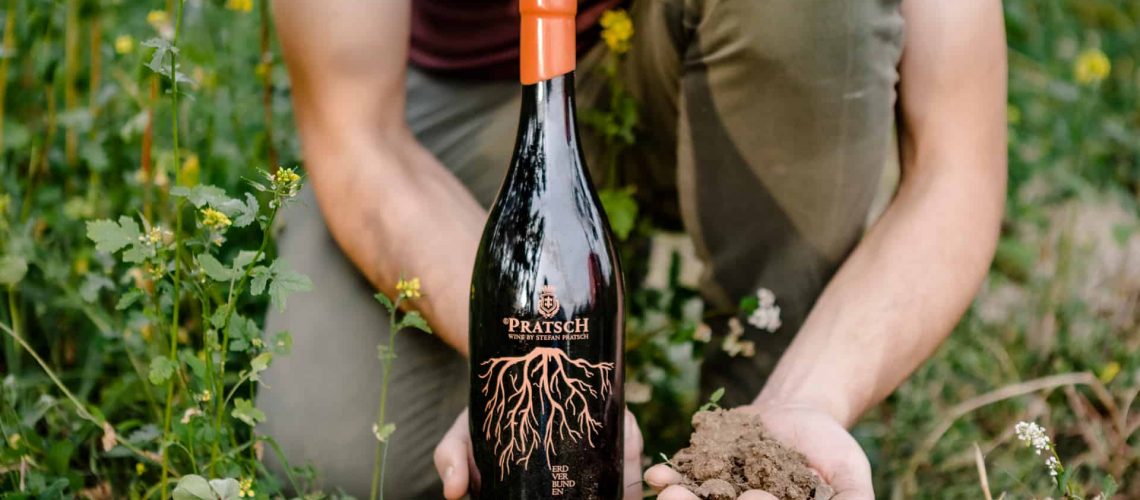
The character of the soil is reflected in the wine that grows upon it. The uniqueness of the grapes can only be truly appreciated when grown in soil that is full of life. For Stefan Pratsch, keeping the soil healthy and encouraging biodiversity in the vineyards is of paramount importance.
Wine needs time to mature. The grapes—fully ripened on the vine—bring along their own yeasts from the vineyard for spontaneous fermentation, and the young wine remains in contact with the lees for as long as possible. This is the only way to create the fresh and delicious wines we love so much. Thanks to gentle and responsible vinification, almost no histamine is formed, making the wines easily digestible and ensuring an exceptional experience.
Sulfur is used only in the minimum amount necessary to preserve the wine as a valuable natural product. This guarantees long-lasting freshness and an extended shelf life. Animal products have no place in this wine. By using pea and potato-based products instead of traditional gelatin, Stefan Pratsch's wines are fully suitable for a vegan lifestyle.


Chateau Khashmi
Chateau Khashmi is a family winery located in the village of Khashmi in the Iori Valley, 35 km from Tbilisi, Georgia.
They produce wine according to an ancient Georgian tradition that dates back 8,000 years.
To achieve the best possible wine quality, they thoroughly monitor the quality and ripeness of the grapes, harvesting them by hand at the precise moment when sugar and acidity levels are optimal.
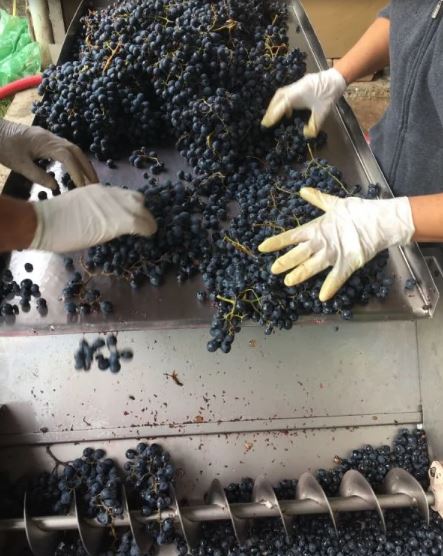
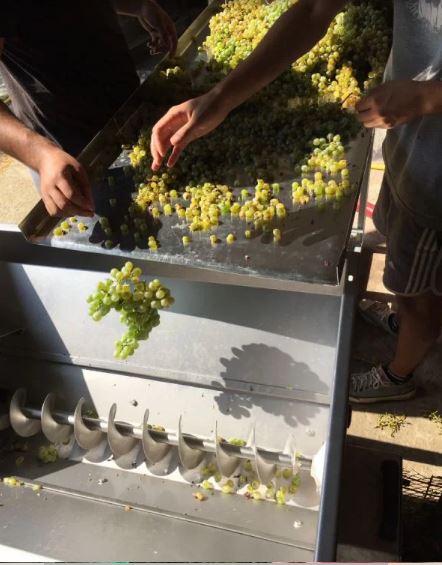
Before crushing, sorting tables are used to select only the highest quality grapes and remove any imperfect ones.
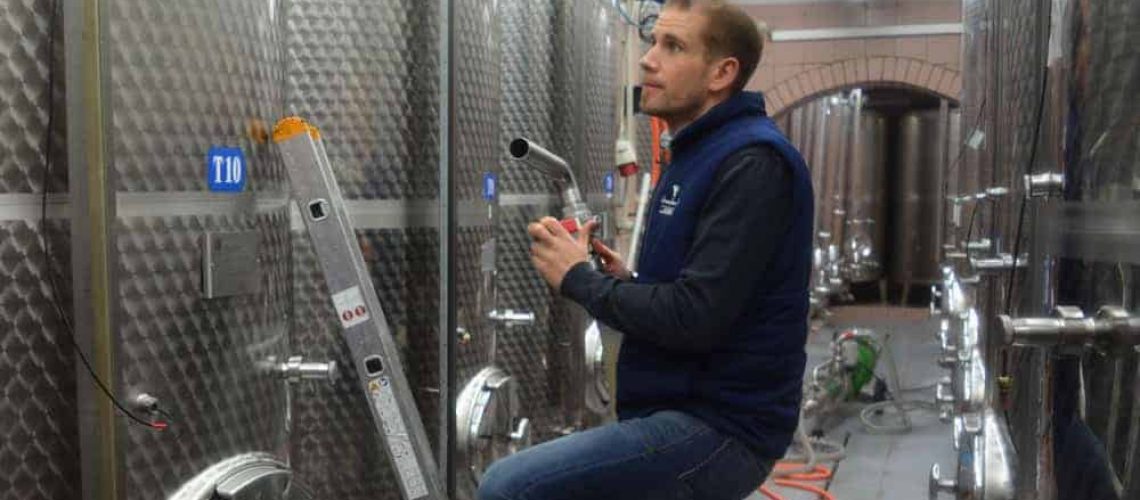
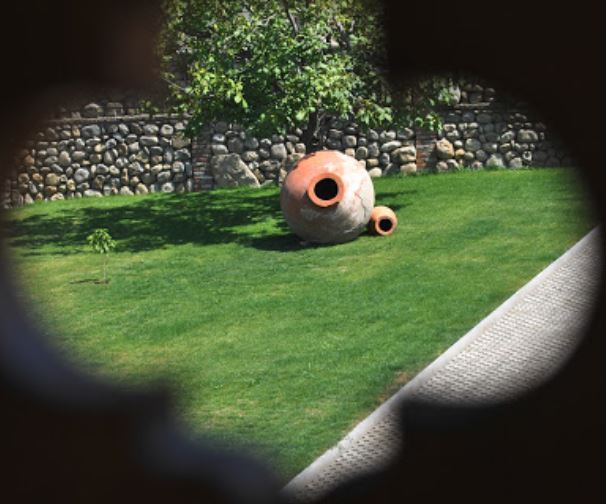
After crushing, the wine ferments along with the grape skins, pulp, and stems in Qvevri—large, egg-shaped clay vessels (similar to amphorae) buried deep in the ground to maintain a stable temperature throughout the year and provide the best conditions for storage.
During fermentation, substantial manual labor is required; they closely monitor the maceration temperature and punch down the cap (the floating skins and pulp) at least every 3 hours during active fermentation. This prevents the cap from drying out and oxidizing, cools the fermenting juice, and results in exceptionally aromatic wines.
Once fermentation is complete, the wine is stored and aged under ideal, constant temperature conditions inside the underground Qvevri for at least one year.
The wines are made naturally, meaning nothing is added or removed during vinification. They are unfiltered and contain no added sulfites.


Tempore
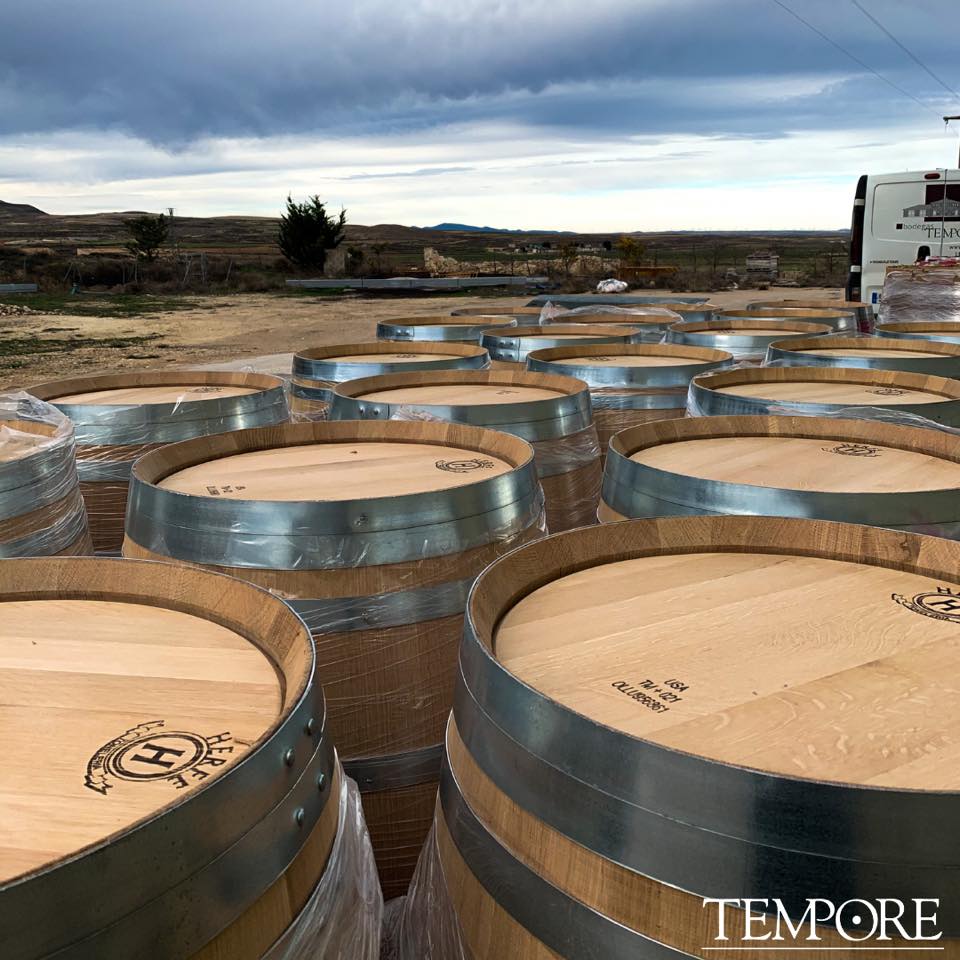
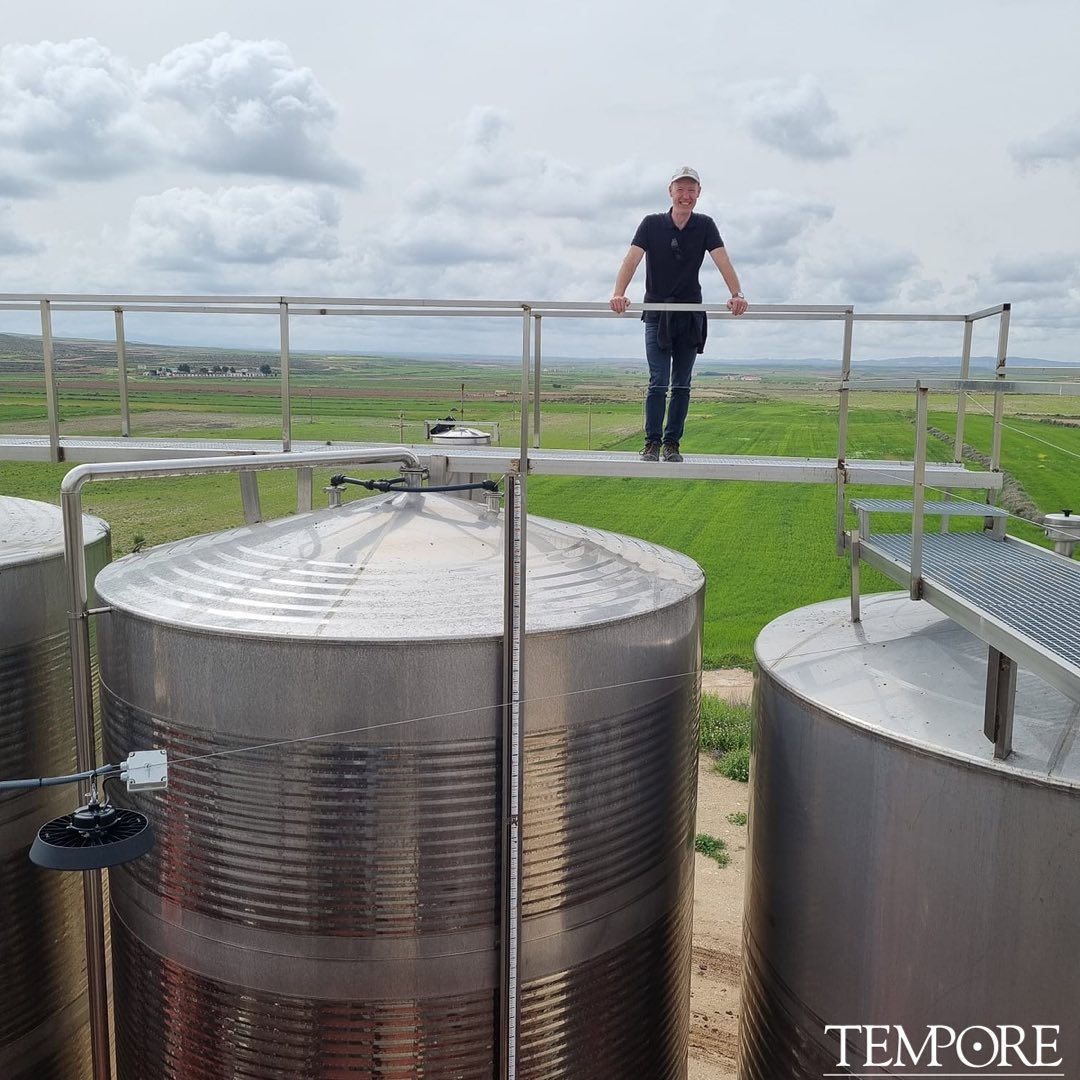
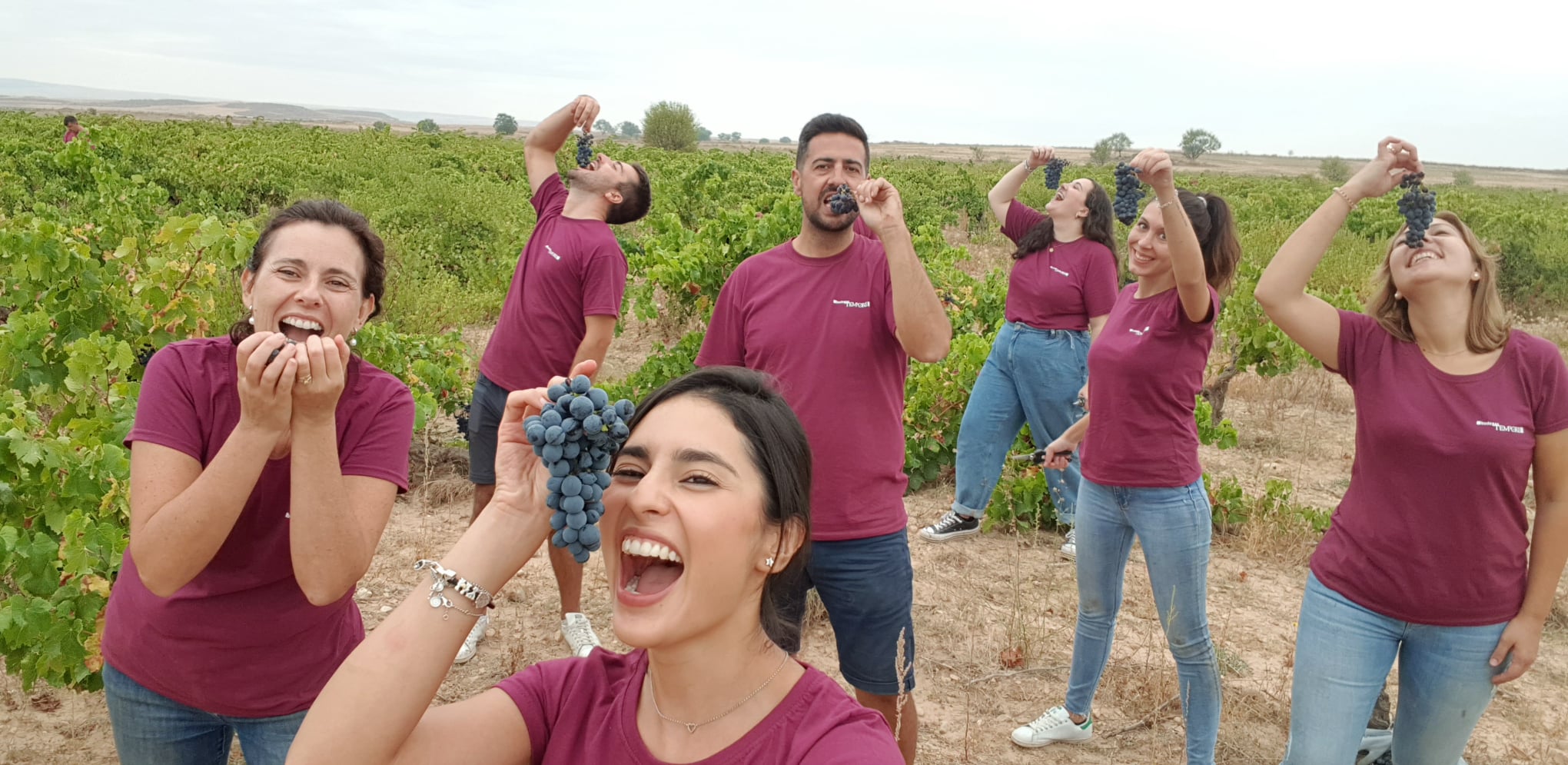
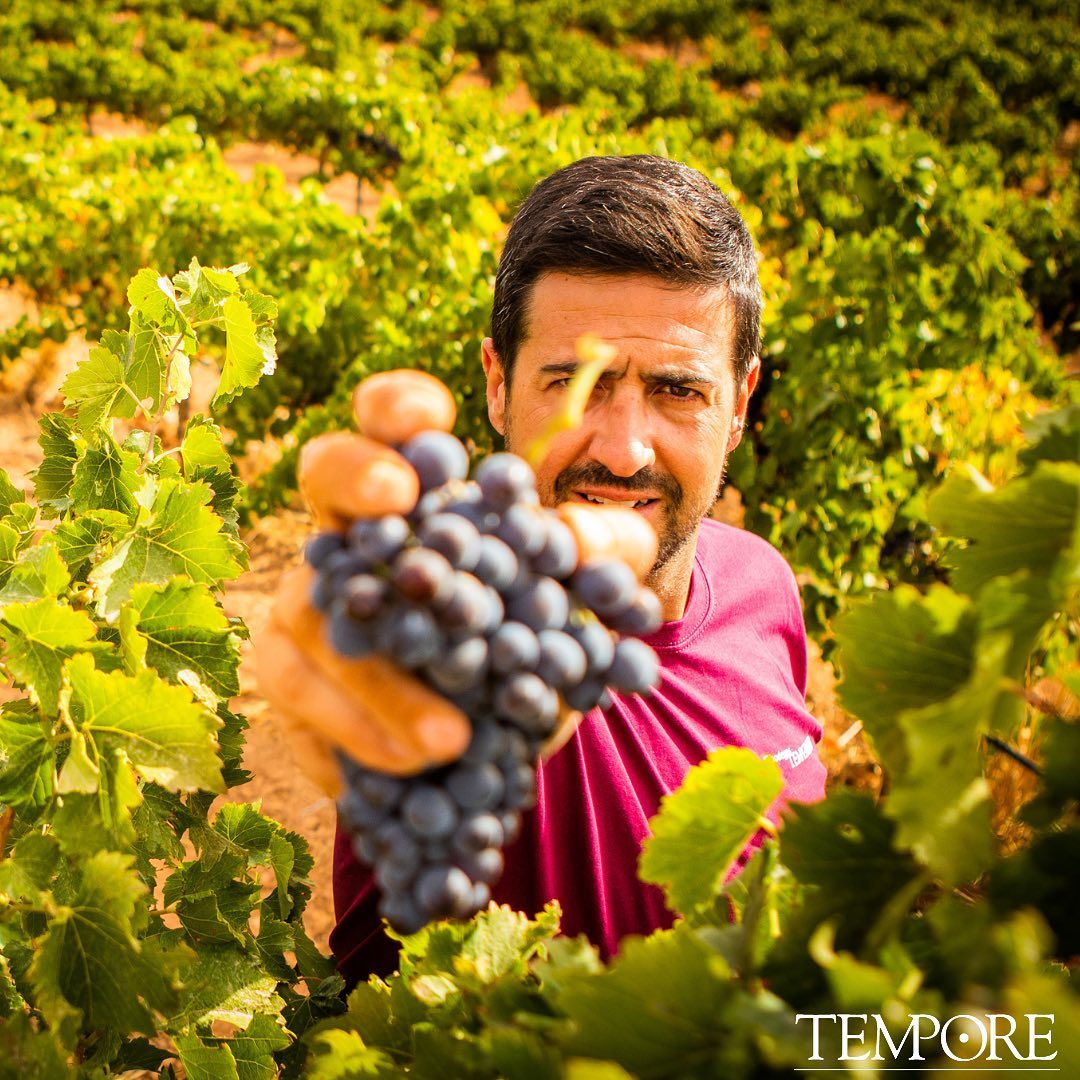
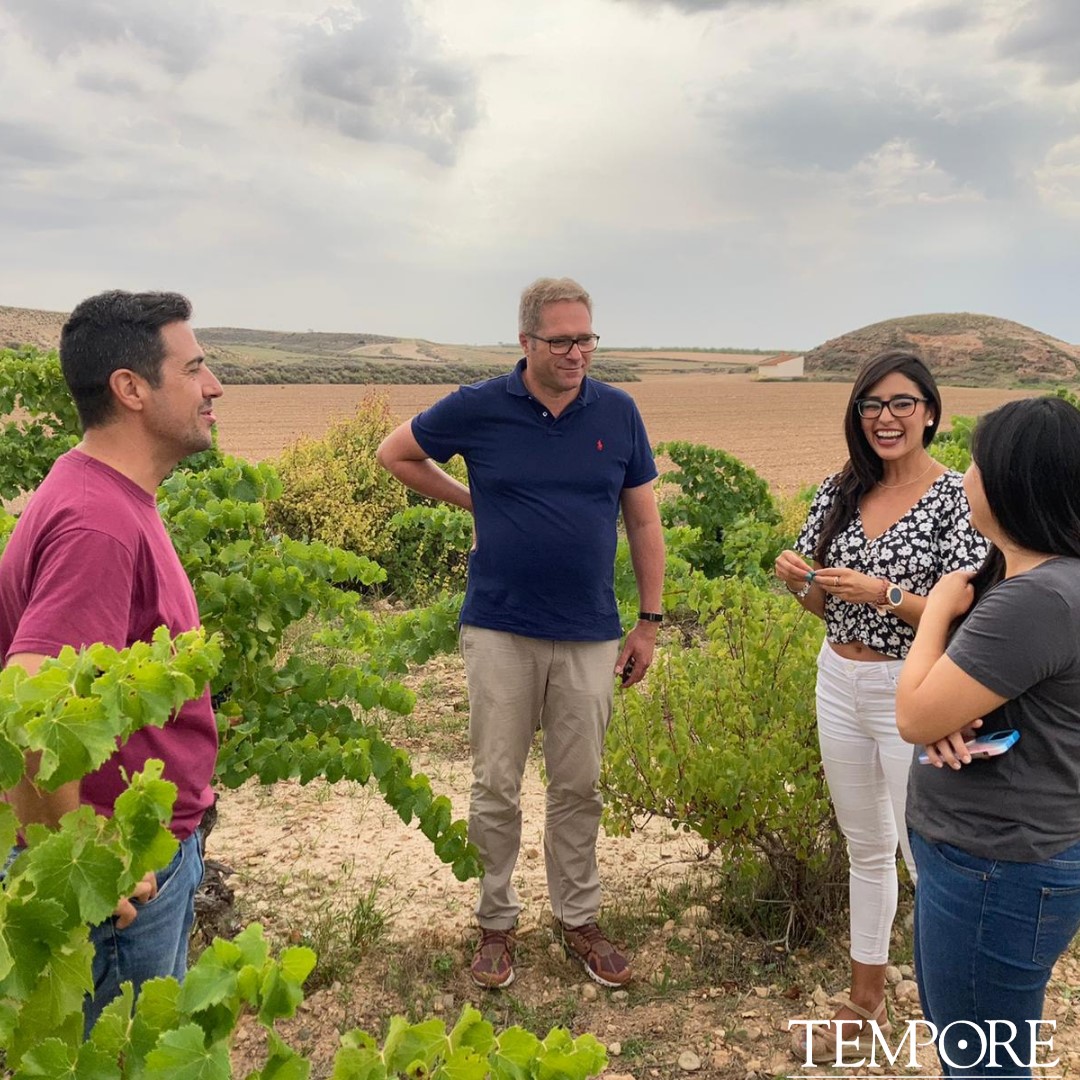
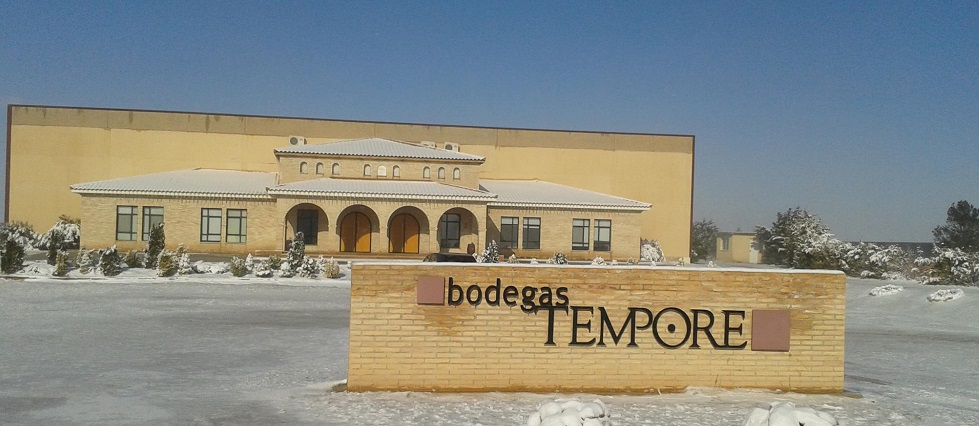
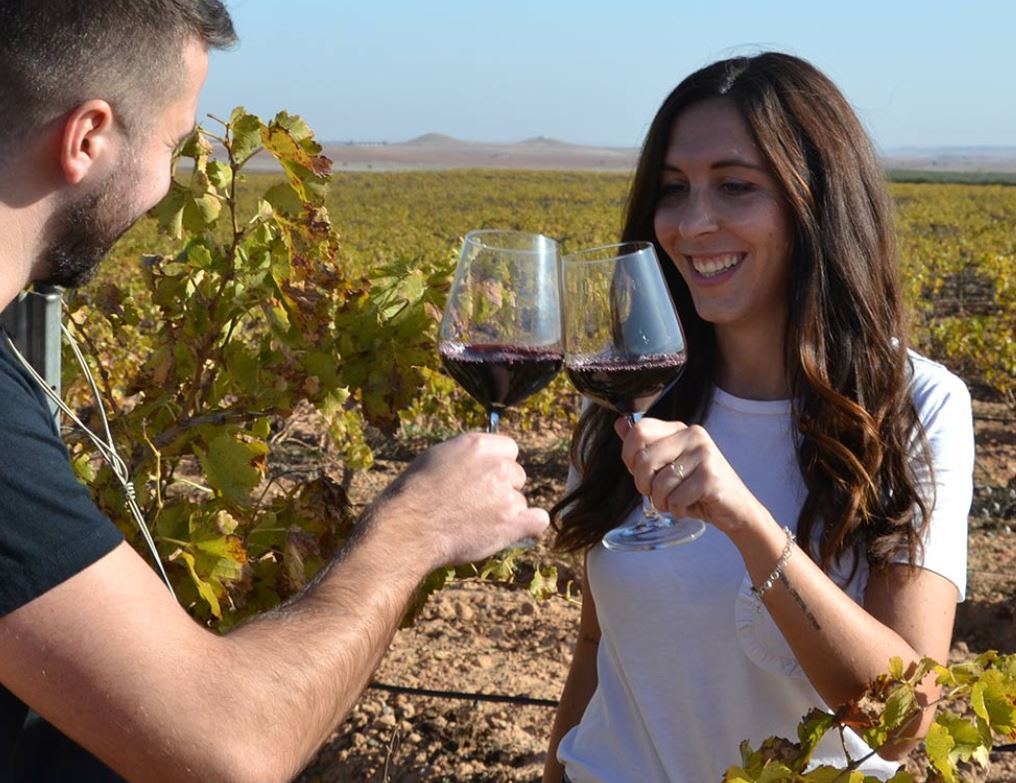
One family, four generations, and a new concept of wine – this is the origin of the Bodegas TEMPORE winery. Terroir, roots, sustainability, and Garnacha grapes are the main pillars of this estate. The Yago Aznar family belongs to this land, feels it, and respects it. They have embraced these values for several generations, combining tradition and innovation while always looking towards the future.
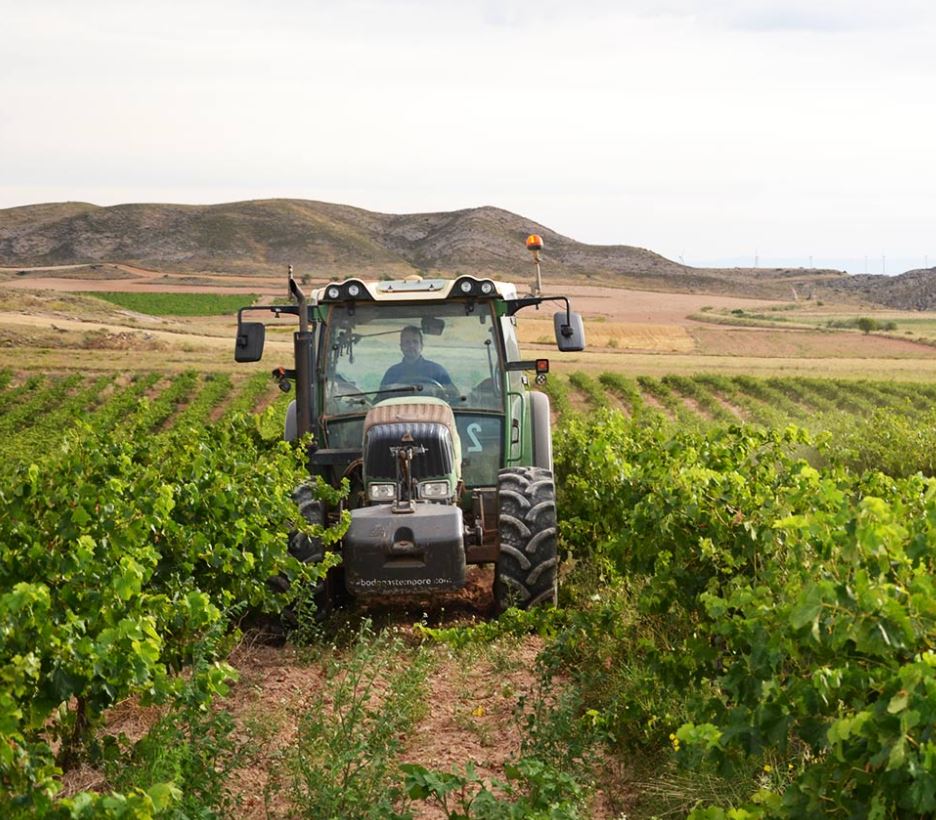
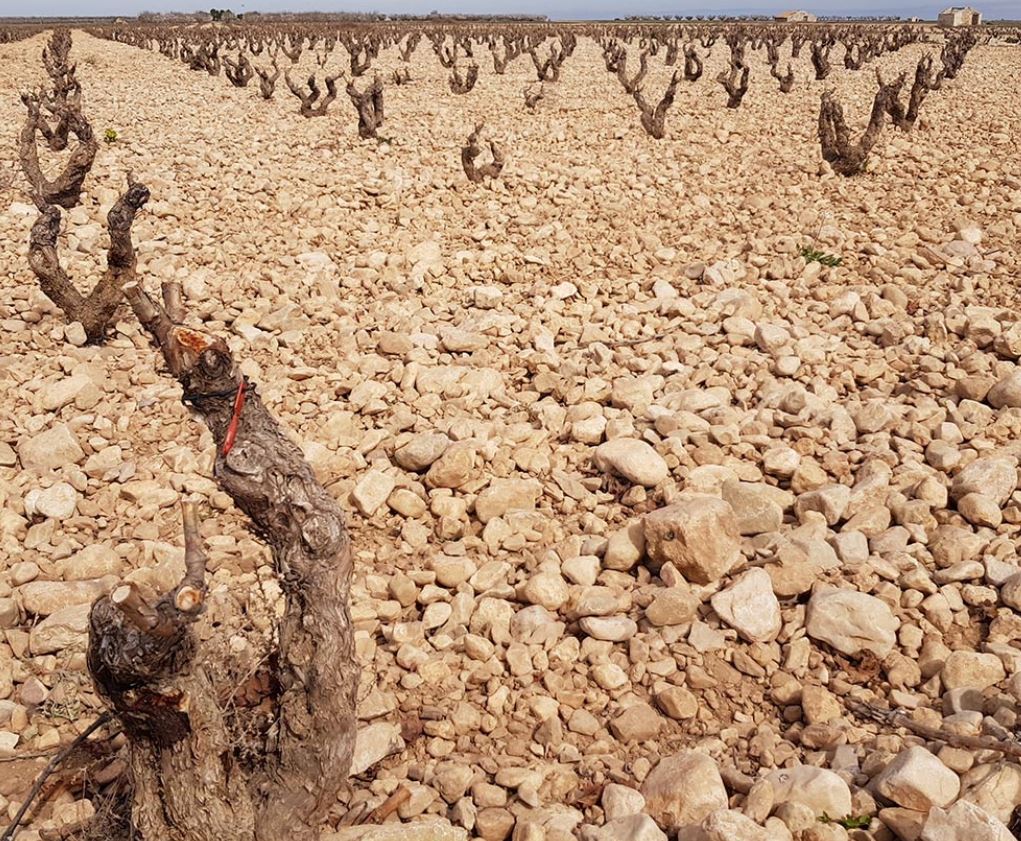
They manage 100 hectares of vineyards cultivated under the strict parameters of organic and biodynamic agriculture, which supports the natural cycles of the vine without any harsh treatments.
Organic and biodynamic viticulture is the only way they understand their work—by respecting the natural life cycles of the vines and the soil. The knowledge passed down by previous generations of the family who cultivated and touched these vineyards reminds them of the need to create a sustainable and responsible future.
The result is vibrant, lively wines full of fruit and evocative aromas.
? Explore our selection and taste the unique character of Bodegas TEMPORE wines here!

Syfany
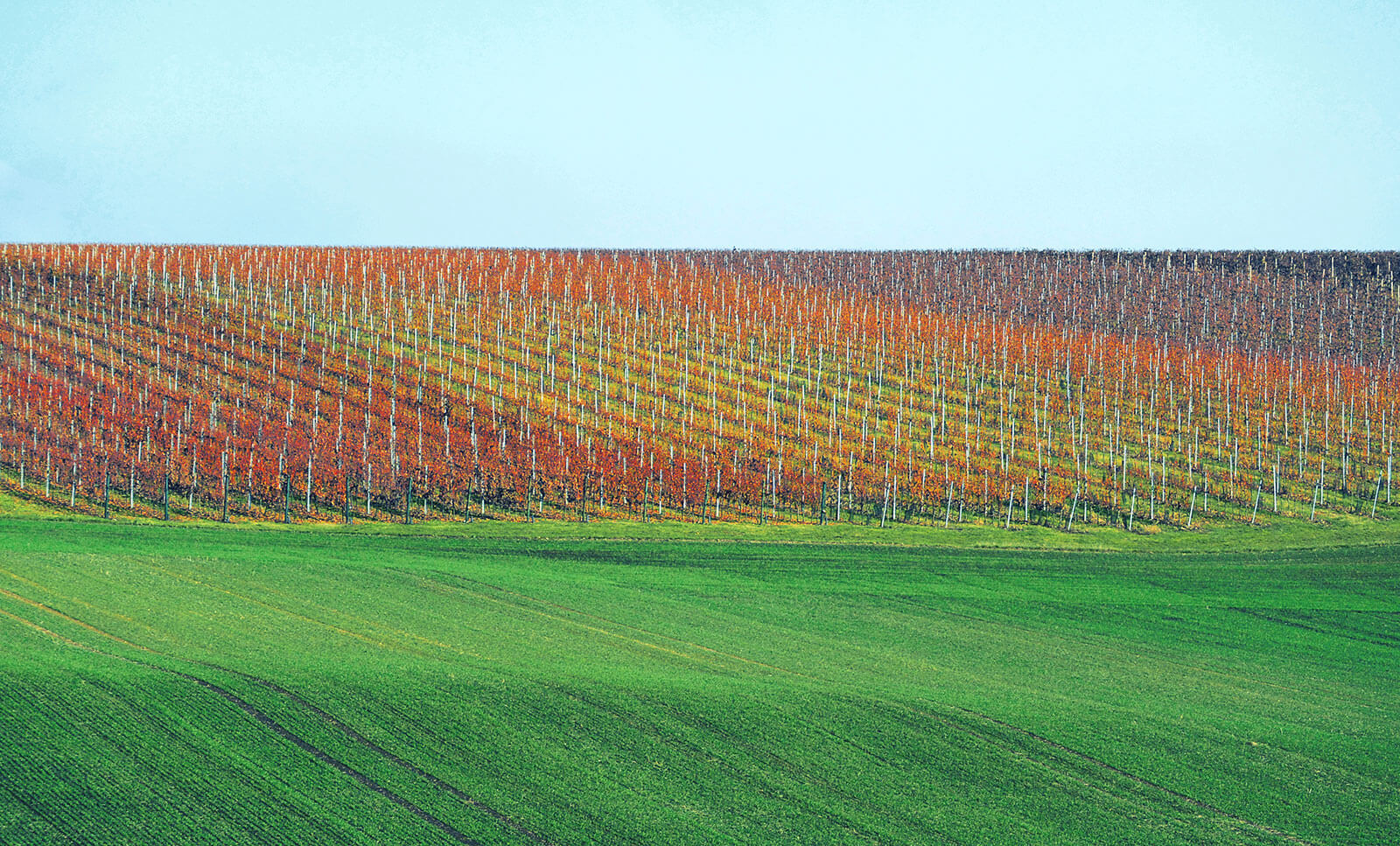
This beautiful family creates wine with nearly five centuries of tradition. Because of this heritage, they fully realize that they must approach their vineyards with the utmost respect and care. As a result, the vines reward them with high-quality and natural yields every year, without placing an unnecessary burden on the environment or depleting the local biodiversity.
Thanks to gentle practices both in the vineyards and in the cellar, very distinctive natural and authentic wines are created, presenting themselves in all their naturalness and unique character. At the same time, these wines are full of energy absorbed from the people whose passion and hard work brought them to life.
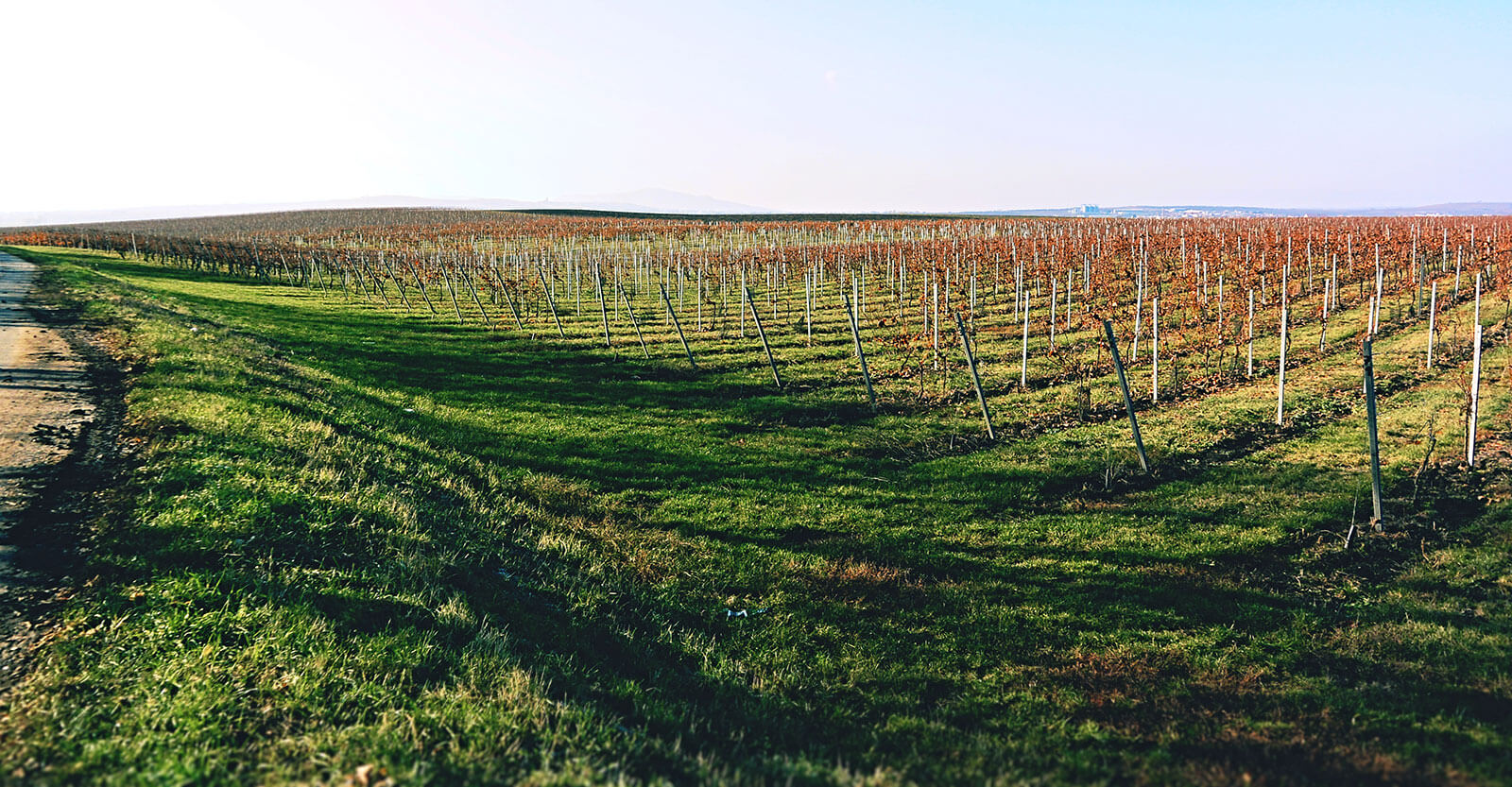
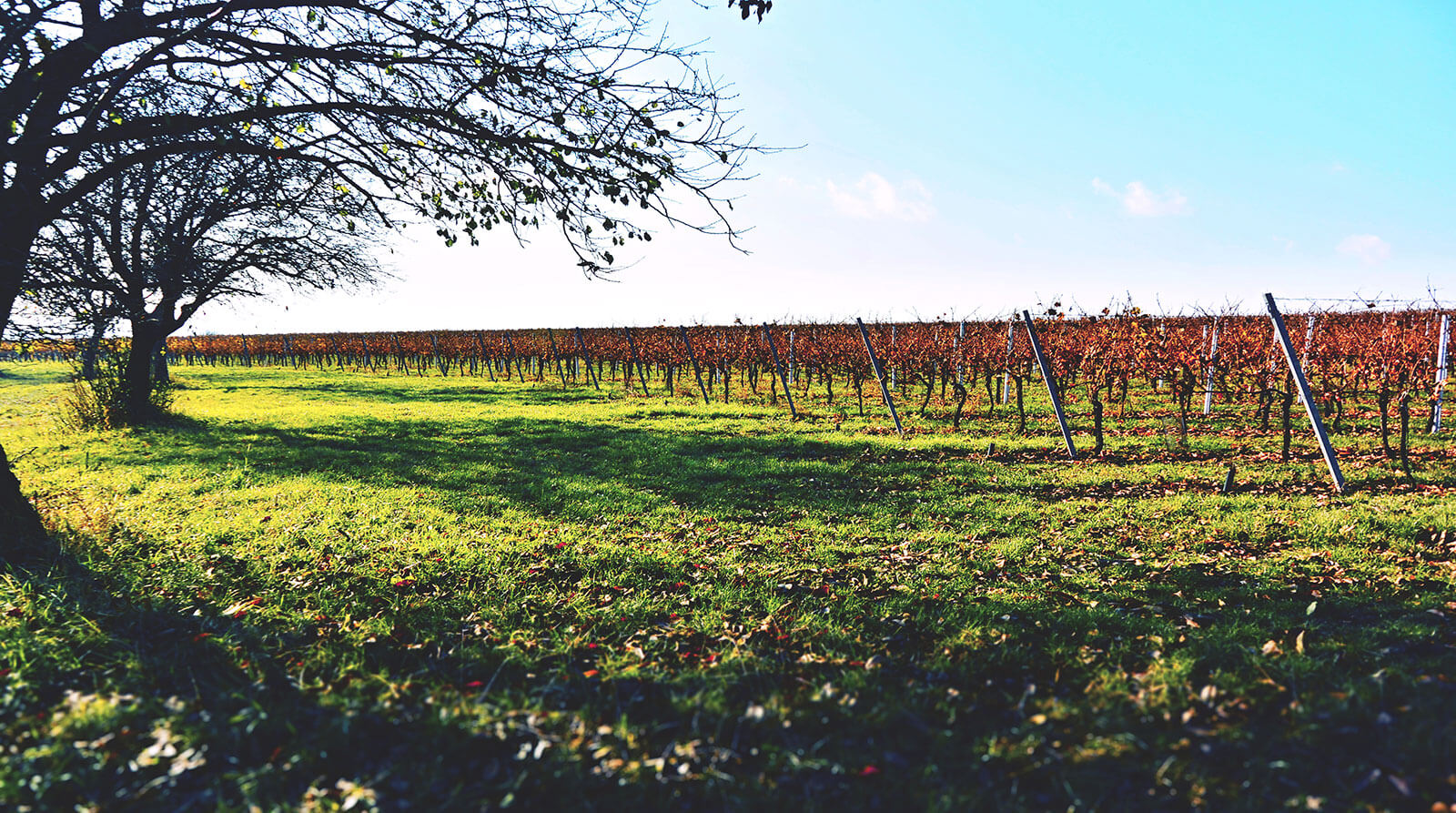
The grapes come from their own vineyards, located mostly around the village of Vrbice, with a portion in Velké Pavlovice.
The most suitable plots were carefully chosen for each individual grape variety. They took into account the specific demands for soil type, slope incline, airflow, and other subtle environmental factors.
The vineyards are managed with a long-term focus on sustainability and the diversity of animal and plant species in the landscape. They consider it essential to support the natural functions of the agroecosystem, which are directly or indirectly influenced by agricultural production. They are fully aware of the need to balance the demands of grape growing while keeping the soil full of life, ensuring it can fully serve future generations.
Explore our selection and discover the authentic taste of this family winery's natural wines here!


Alta Alella
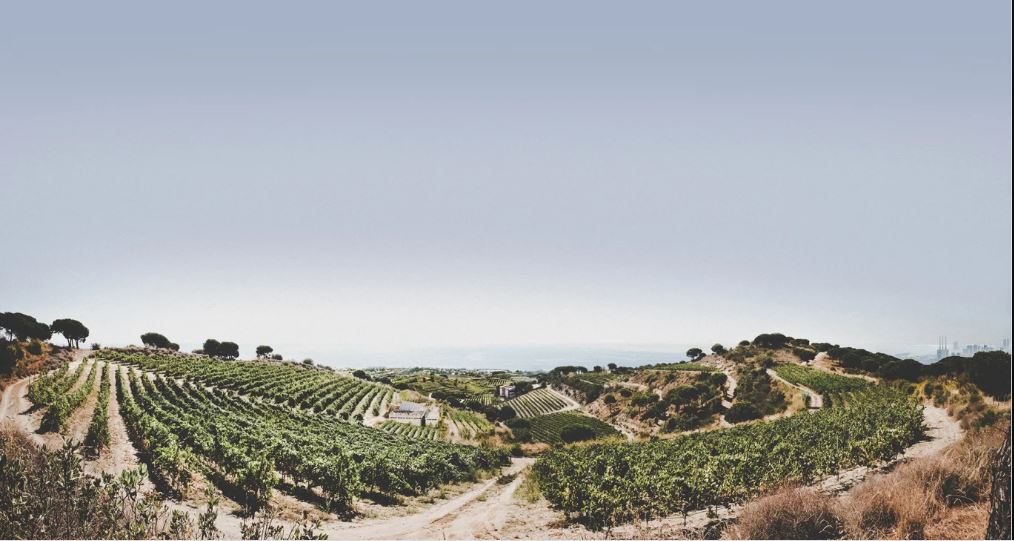
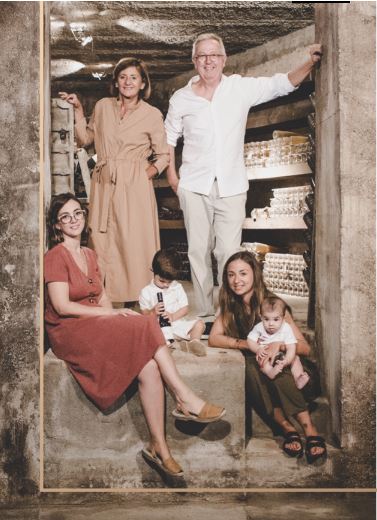
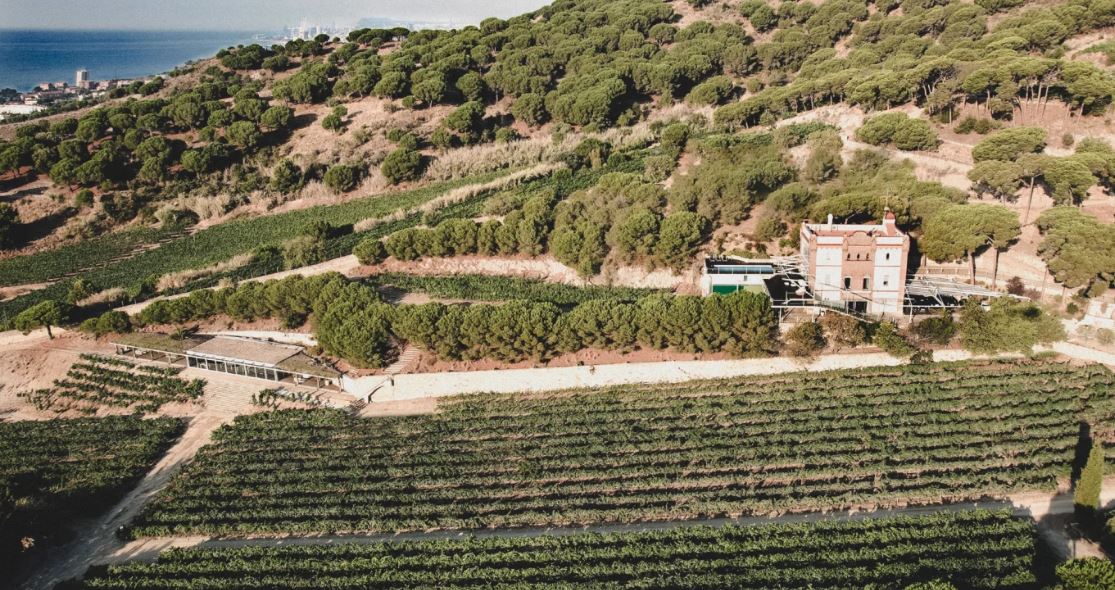
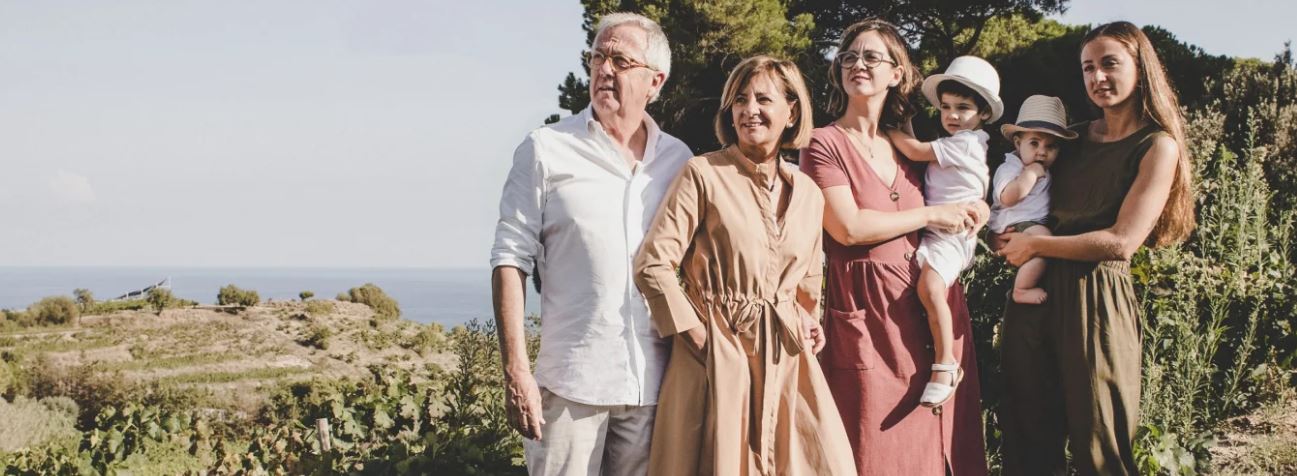
In the heart of the Serralada de Marina Natural Park, just a stone's throw from the Mediterranean Sea and only a few miles from Barcelona, stands the ALTA ALELLA winery—a dream come true for the Pujol-Busquets Guillén family. A family always dedicated to winemaking, Josep Maria and Cristina have spent their entire lives sharing the culture of wine. Their daughters, Mireia and Georgina, grew up surrounded by vineyards, grapes, harvests, and bottles. It is in their DNA.
They understand every single corner of their vineyards and value the roots of each individual vine. Only through this deep respect can the Pujol-Busquets Guillén family maintain their commitment and demonstrate their true love for the land.
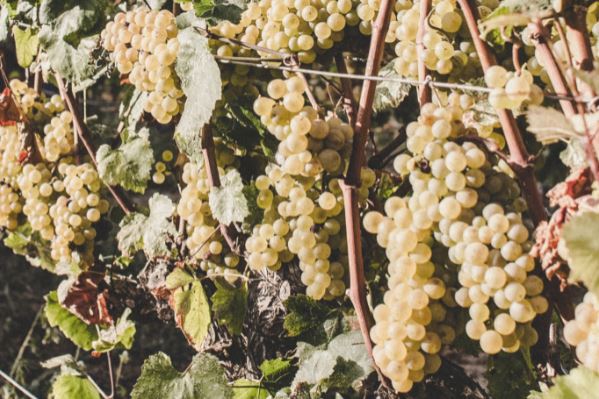
The estate is located just two kilometers from the Mediterranean Sea, with vineyards planted on slopes and terraces at altitudes between 100 and 250 meters. The vines grow in Sauló soil, which is one of the most critical elements defining the wines of Alta Alella: an acidic, white, sandy soil based on granite with low limestone and organic matter content, offering excellent natural drainage.
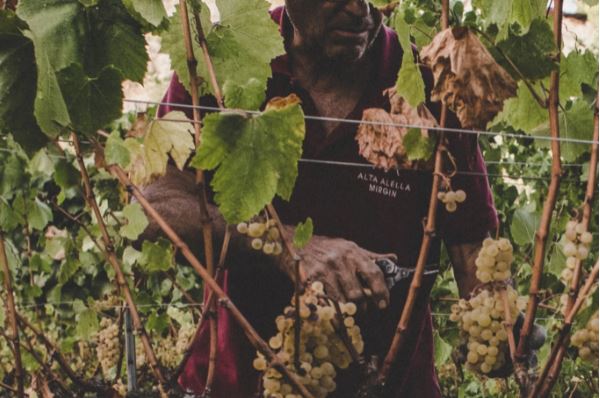
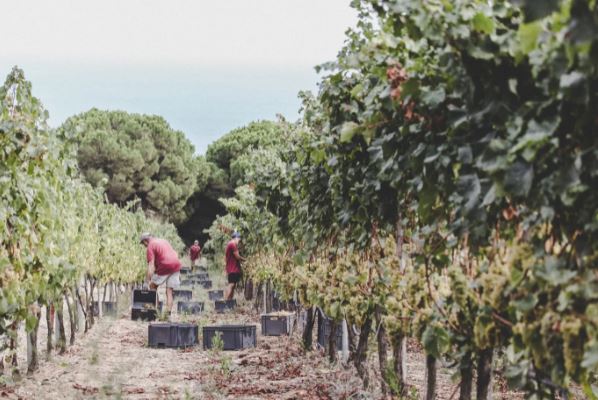
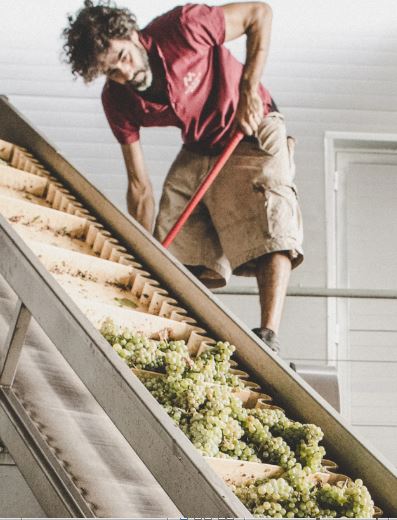
Harvesting is carried out strictly by hand, paying individual attention to each plant through precise ripeness control. They seek the optimal moment to harvest each variety in the healthiest possible conditions to guarantee the finest outcome. The winery works with microvinifications and a wide variety of grapes, producing up to fifty different wines each vintage intended for blending.
Explore our selection and experience the Mediterranean spirit of Alta Alella wines here!




Quinta do Montalto
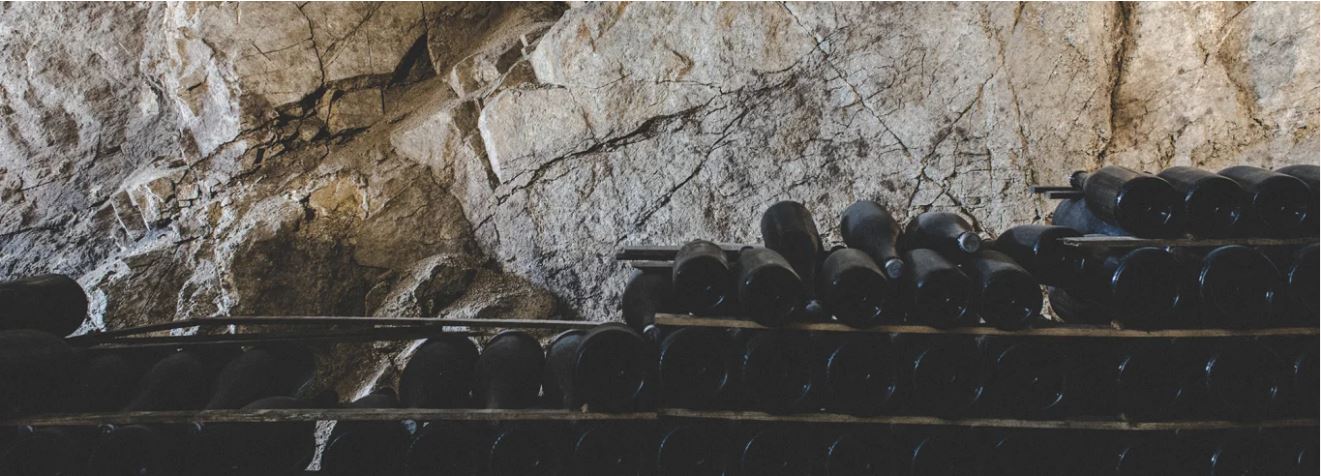
Farma Montalto (Quinta do Montalto), owned by the Gomes Pereira family for five generations, was founded in 1880. It extends over 50 hectares of vineyards, olive groves, orchards, and forests, which together form a beautiful landscape mosaic. The 15.5 hectares of vineyards are part of the extensive Lisbon wine region, planted in clay-limestone soil with excellent sun exposure, allowing the production of DOC Encostas D'Aire certified wines.
Farma Montalto is located in the central part of the country in the Ourém region, near the town of Fátima. In line with winemaking tradition, several grape varieties grow on the farm, most notably Aragonez and Fernão Pires, which are the most representative red and white grapes. Furthermore, we can find varieties such as Touriga Nacional, Trincadeira, Syrah, Baga, Alicante Bouschet, Castelão, Moreto, Sauvignon, Arinto, Rabo de Ovelha, and Olho de Lebre.
Out of full respect for environmental protection, all varieties at Farma Montalto are cultivated according to organic farming regulations under the control of ECOCERT-PORTUGAL. This means that no chemical fertilizers, herbicides, insecticides, fungicides, or other synthetic chemicals are permitted. No animal products are used either, making all wines suitable for vegetarians and registered with "The Vegan Society" based in the UK.
The Method – Medieval de Ourém
The vineyards have an average plot size of around 2,500 m², are typically un-trellised (without wires), and feature a balanced proportion of white and red varieties to craft this medieval wine. Only two varieties are used for its production: Fernão Pires for the white must and Trincadeira for the red must. These vineyards have a high vine density of over 4,000 plants per hectare, reaching up to 10,000 plants per hectare. The purpose of this choice is to obtain higher quality grapes rather than a larger production volume.
Most of these ancient vineyards are lined with olive and fruit trees, such as apple, pear, and peach trees, which are sometimes scattered throughout the vineyards. Following the "taça" (goblet/bush-trained) system, with three main arms spreading apart, the vines are pruned leaving short spurs and, less frequently, fruit-bearing canes. In all their characteristics, they mirror genuine medieval vineyards.
In the Ourém region, medieval wine is currently produced in small, characteristic wine cellars (modest, dark, and cool, but not damp, usually located underneath the living areas of the house). The harvest must be done by hand, and the white and red grapes are transported to the cellar in separate containers.
The white grapes are pressed, and the resulting must is used to fill wooden barrels up to 80% of their capacity, where fermentation begins.
Subsequently, the red grapes are destemmed using a "ciranda" directly into wooden vats called "dornas" (less frequently in stone "lagares"), and fermentation lasts four to ten days with grape skin maceration. At least twice a day, the cap is punched down using a wooden tool called a "rodo" to obtain a red must with the necessary quality parameters.
Near the end of both fermentations, the unpressed red must containing the skins (20%) is poured directly into the wooden barrels where the white must (80%) is fermenting, filling the remaining capacity for a joint final fermentation of both musts. When this final co-fermentation is complete, the cap sinks to the bottom of the barrel, helping to naturally filter the wine.
Although white grapes predominate, the medieval wine turns out "red" in appearance. The result is a smooth yet potent wine with a full, crisp, and complex palate. It is a unique nectar featuring the aroma of a white wine, which varies according to grape maturity, blended with the notes of a red wine—typically blackberry, raspberry, and strawberry. This wine pairs perfectly with the rich gastronomy of the region and several typical Portuguese dishes, especially those prepared with plenty of olive oil, such as grilled cod with "chícharos" (chickpea-like beans) and "migas" (thinly shredded cabbage leaves with rice, bread, and beans).
Explore our selection and experience the taste of history with Farma Montalto's medieval wines here!


Domaine des Carabiniers
Domaine des Carabiniers is located in the heart of the right bank of the Rhône River, covering a total area of 50 hectares across the Tavel, Lirac, Côtes-du-Rhône, and IGP Pays d'Oc appellations. Here, the vines thrive on a terroir of sand, silt, and rolled pebbles, nurtured by the enchanting power of the Provençal sun.
The Origin of the Name
In the 14th century, the papal seat was located at the Palace of the Popes in Avignon. The area was guarded by Italian horse guards known as "carabiniers." Since then, the region has been known as "Carabiniers." As the winery's cellar was built on the site of a former stable where the carabiniers kept their horses, the family preserved the name, and the horse became the symbol of the domain.
The Roots of the Leperchois Family
The Leperchois family originates from Santa Croce sull'Arno, a small village south of Tuscany, about 40 km from the sea. The family's ancestors emigrated to France due to the economic crisis that hit Italy in the 1920s. In Italy, their ancestors were involved in growing both table and wine grapes. Part of the family also worked in tanneries three generations ago.
Upon arriving in France, the family started anew, initially working as winemakers for various domains. In the 1930s, they acquired 3 hectares of land, delivering their grapes to the village cooperative. In 1974, Christian Leperchois took over the vineyard, expanded it to 9 hectares, and began selling bottled wine—first Côtes-du-Rhône in 1974, followed by Tavel and Lirac in 1980. The wine cellar was also built during this time.
In the 1980s, Christian acquired another 11 hectares, followed by 10 more in the 1990s. Since the 1990s, the entire vineyard transitioned to organic farming, receiving its ECOCERT certification in 1997. The fifth generation of the family, Christian's children Magali and Fabien, expanded the estate to its current 50 hectares in 2000.
Today, Magali and Fabien represent the fifth generation working on the estate. Fabien joined his father in 2006 as Maître de Chai (Cellar Master). He converted the entire estate to biodynamic farming and obtained Demeter certification in 2009. Demeter International is the sole international certification body for biodynamic farms and products. In 2013, Magali joined to manage administration and sales. In 2015, the "Biodynamic Wine" company was established, allowing Fabien and Magali to manage the estate and market the wines from the vineyard.
They now manage the domain alongside a team of six permanent employees, supported by seasonal workers in the vineyards.
They produce wines under the Tavel, Lirac, Côtes-du-Rhône, Châteauneuf-du-Pape, and IGP Pays d'Oc appellations. The wines are crafted using natural yeasts, without additives or added sulfites. Minimal stabilization is performed only on certain products during bottling. The goal is to reduce sulfur dioxide as much as possible to preserve the natural aromas for maximum consumer enjoyment.
Emphasis on the Health and Vitality of Plants, Soil, and Biodiversity
A long-term vision that gives the utmost attention to vegetation, fruit, vines, and wine!
Just like the greatest chefs, for whom the secret to an excellent recipe lies in top-quality ingredients, a great wine starts with excellent grapes and preserving the balance of the land. Terroir cannot sustain itself alone; therefore, it is vital to respect the earth and its quality to avoid depleting it.
- Preparation 500P: Horn manure that develops the soil. This highly nutritious compost is applied to stimulate roots and nourish underground microbial life. Healthy root growth is crucial for the vine's health and quality. Horn manure stimulates the microbial activity necessary to provide natural reserves to the vines during winter.
- Preparation 501: Also known as horn silica, this is sprayed onto the leaves to help plants capture the intensity of light, warmth, and moonlight, thereby boosting photosynthesis.
They primarily sell to international markets across nearly all continents, with international sales representing 70% of their business. Their wines are distributed in North America, South America, the Antilles, Europe, Central Asia, Asia, and Oceania.
Across their 50 hectares, they produce approximately 320,000 bottles annually.
Explore our selection and taste the biodynamic excellence of Domaine des Carabiniers wines here!

A&D Wines
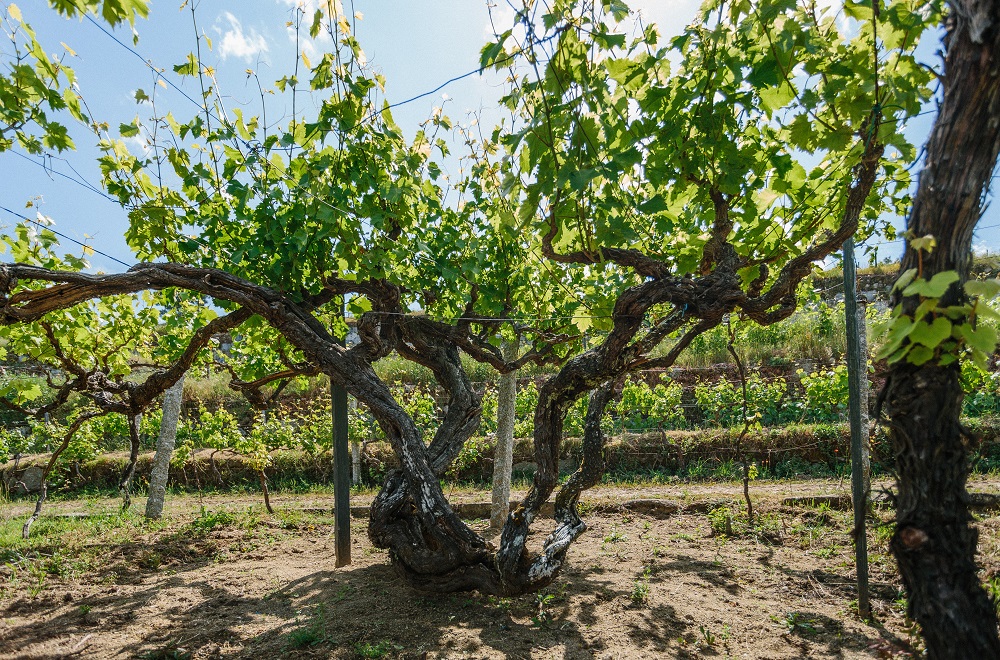
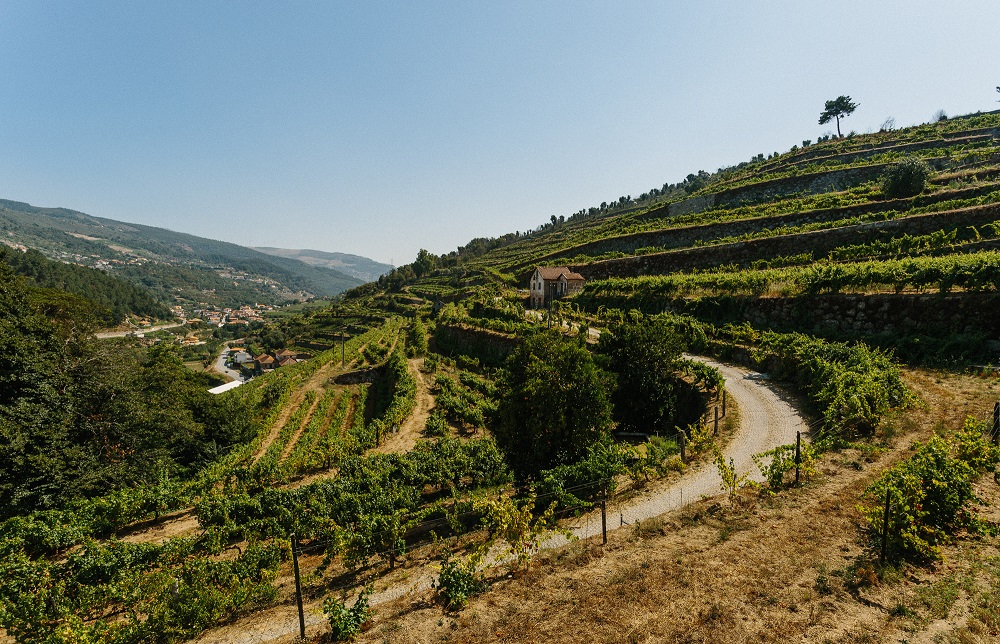
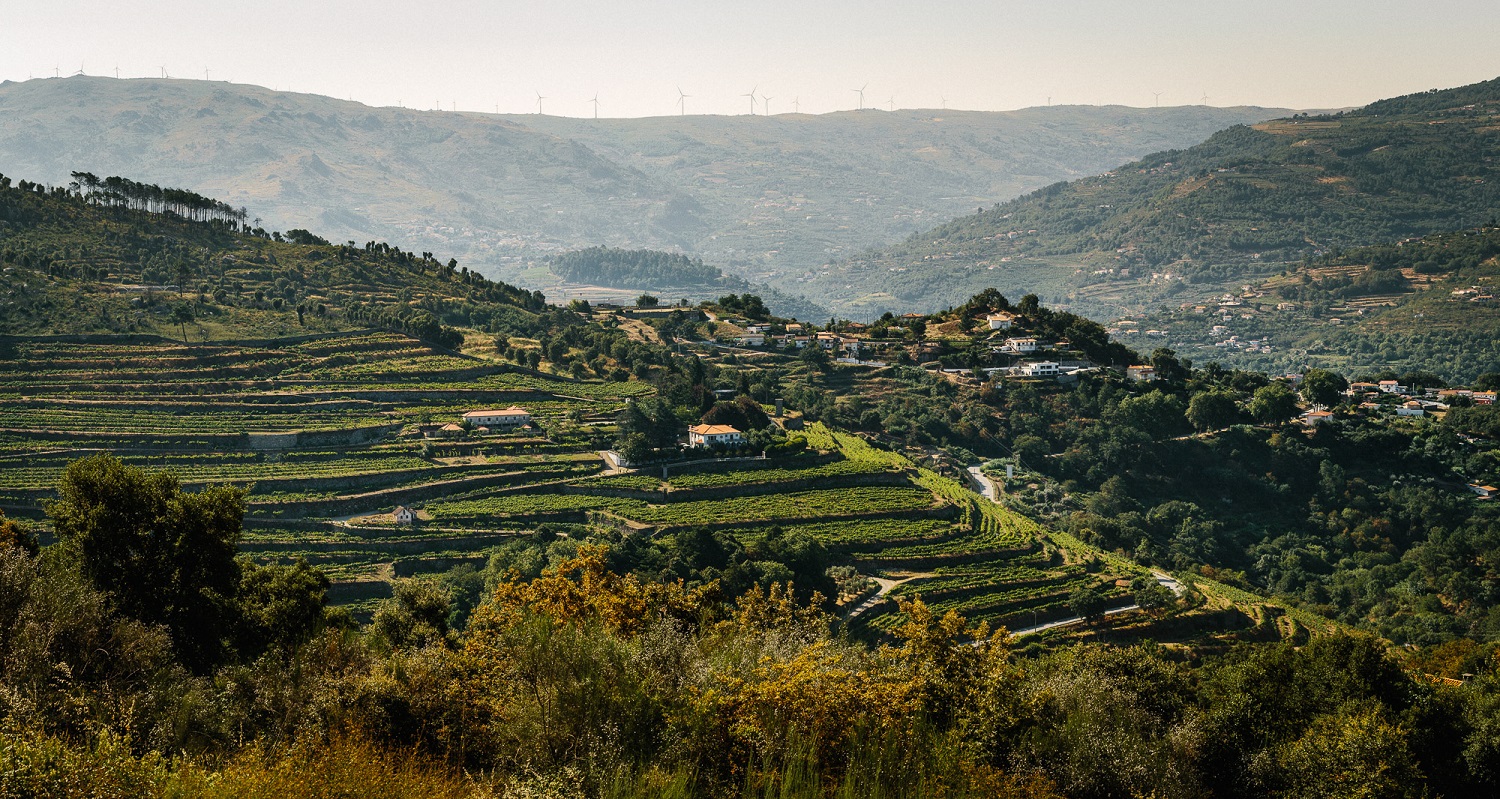
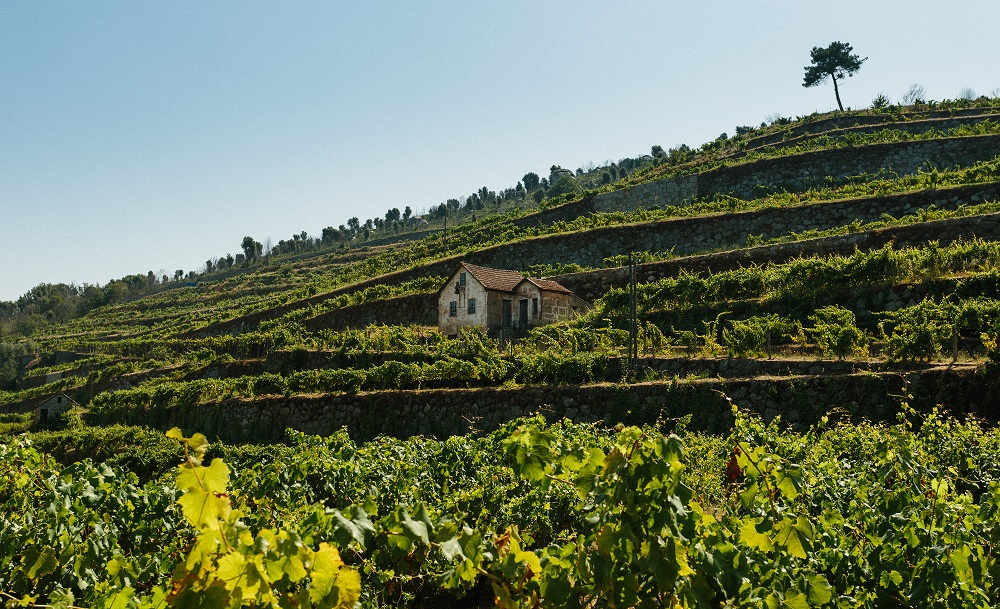
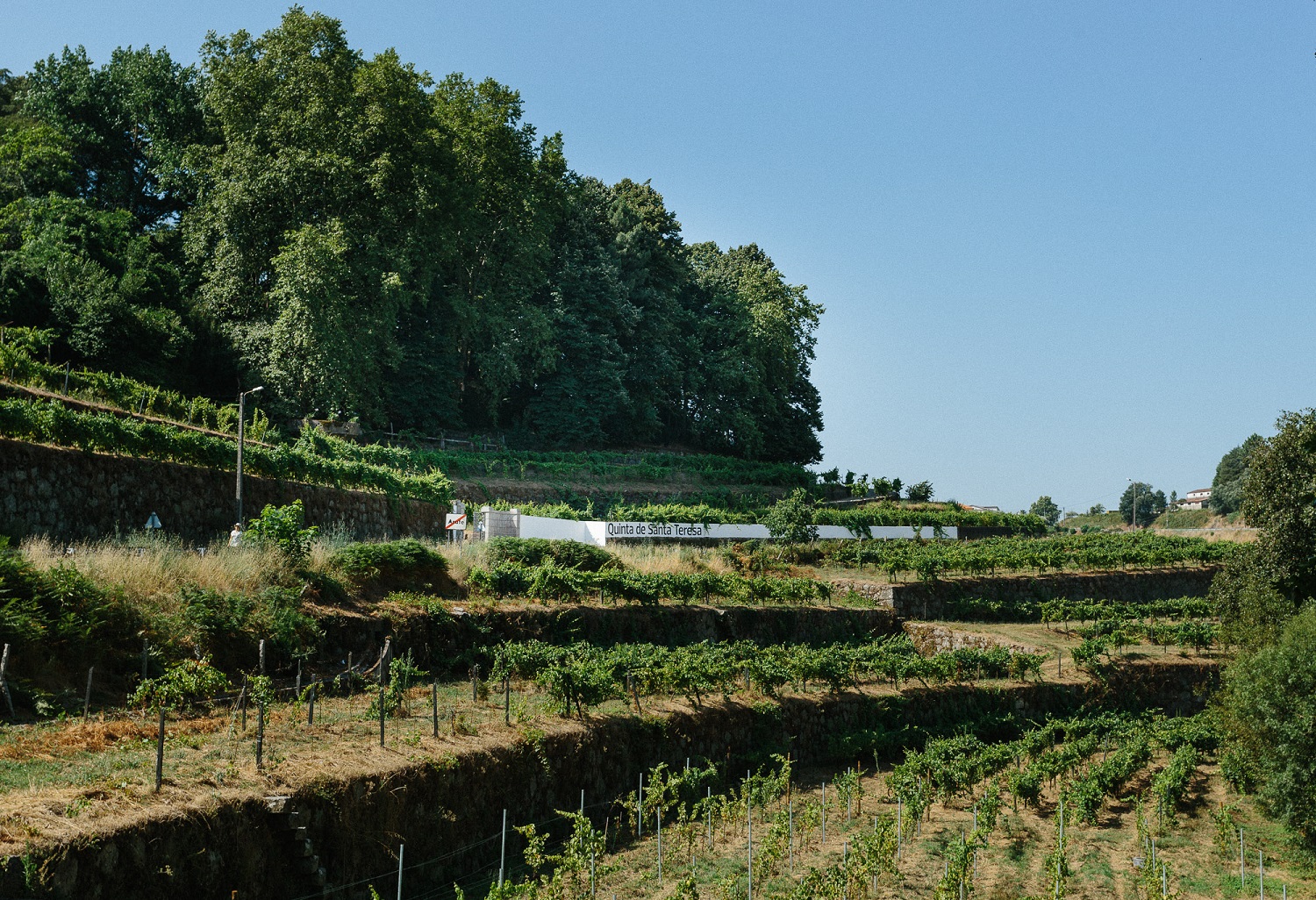
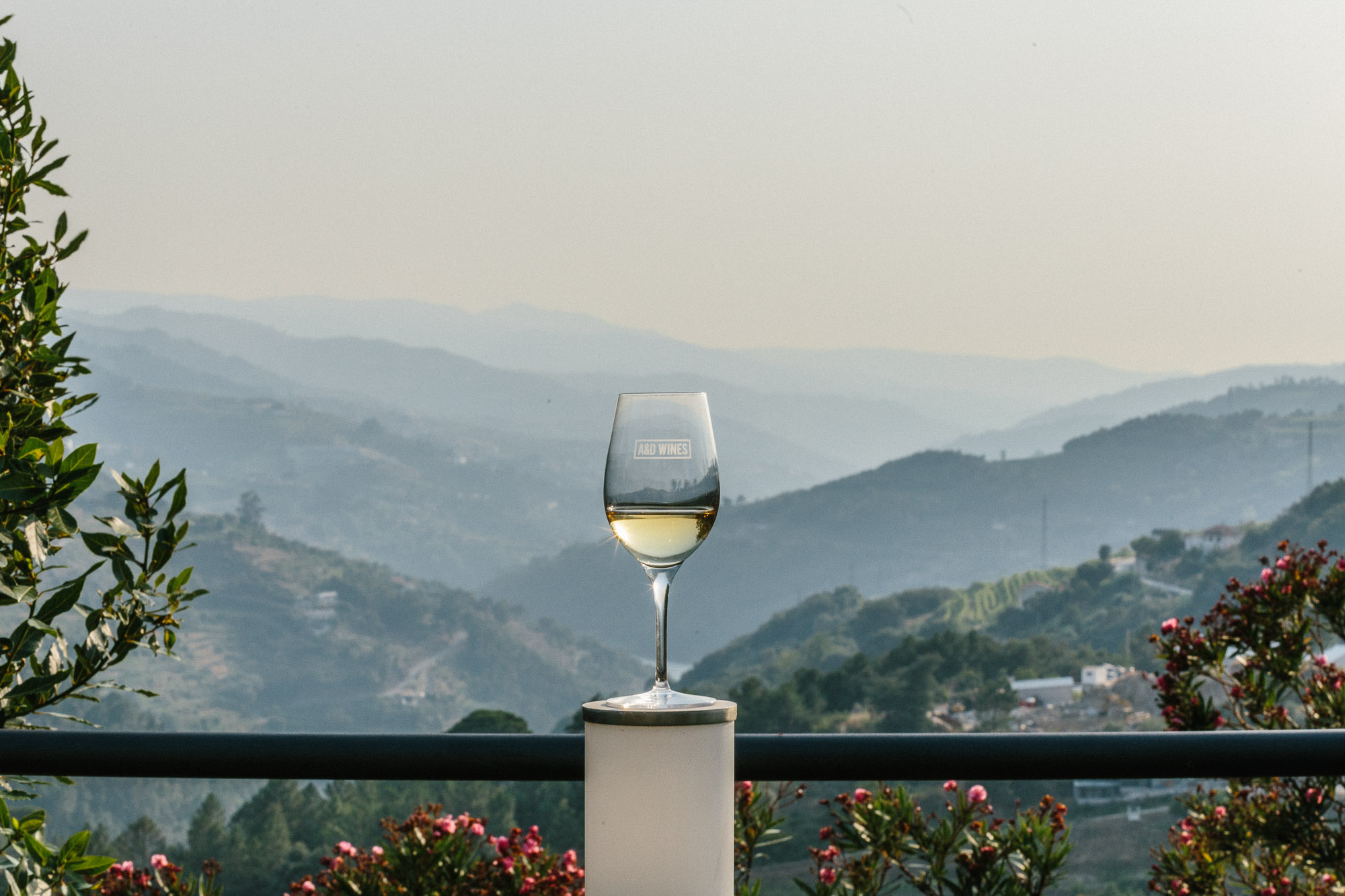
A continuous, walled area of 33 hectares of vineyards in the Vinho Verde region, specifically on the border of the Baião sub-region and the Douro region, presents excellent and unique characteristics for winemaking. The estate is structured into terraces supported by granite walls and accessible via paved pathways.
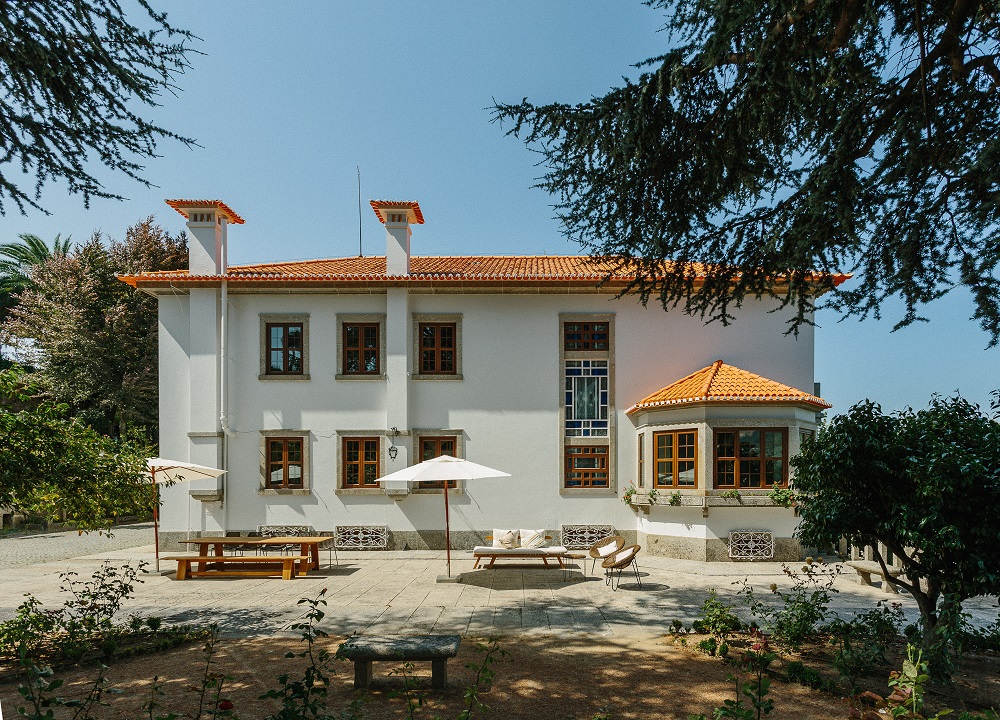
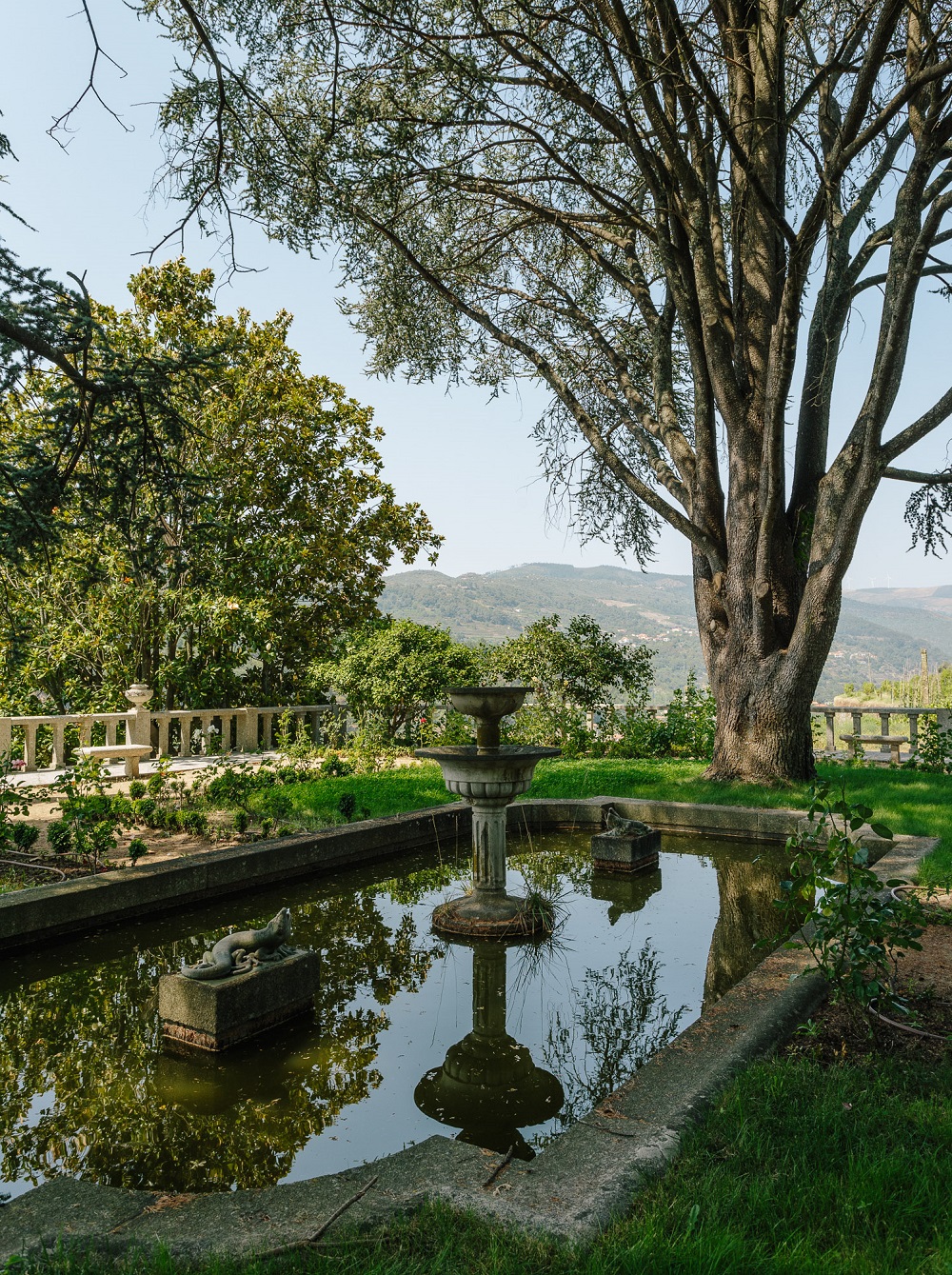
The old winery building tells the story of a grand wine-producing estate. To support current operations while awaiting full restoration, a temporary cellar was established in 2015, which now serves as the production hub for A&D Wines. Quinta de Santa Teresa features several architecturally valuable structures, from the main manor house to smaller residences used for housing or agricultural support. Gardens, ponds, a tennis court, a swimming pool, and forests are scattered across the property, offering many pleasant spaces and beautiful corners.
Preserving the ecosystem (water, biodiversity, and careful human intervention) is a top priority for creating authentic terroir wines. A&D Wines supports local communities by hiring and training local staff, celebrating what is genuine and original about Portugal. The winery promotes soil regeneration by composting vine by-products (leaves, prunings) back into the earth and encouraging cover crops that help fix nutrients.
They use no herbicides or synthetic treatments, maintaining a preventative approach to vineyard care by fostering fauna and flora that naturally suppress diseases. Protecting water resources is essential; carefully managed ground cover helps maintain optimal moisture levels in the soil. Water is treated as a precious asset and used responsibly. During the vine's dormant phase, they encourage sheep grazing in the vineyards to manage vegetation growth and provide natural fertilization.
For white wines, they cultivate Avesso, Arinto, Alvarinho, and Malvasia; for rosé, Touriga Nacional and Vinhão. The vineyards consist of restructured plots around 10 years old alongside plots with old vines.
CASA DO ARRABALDE
A family agricultural estate for generations, this is where they made their debut and learned the art of viticulture and winemaking, treating both crafts with equal importance and nobility.
The proximity to the Marão mountain range provides a combination of sunny days, cool breezes, and well-drained granite soil—ideal characteristics for cool-climate viticulture. The estate spans 5 hectares of plots with vines around 20 years old. Featuring Avesso, Arinto, and Alvarinho varieties, the vineyard is surrounded by walnut groves, fruit trees, and woodland, which enrich the property's biodiversity. Here, everything is authentic, delivering rich and unique aromas and flavors directly from the land.
QUINTA DOS ESPINHOSOS
Boasting a unique microclimate with excellent sun exposure, warm days, and a wide diurnal temperature range, this estate shapes the distinct character of its wines.
The vineyard features Avesso and Chardonnay varieties arranged on narrow terraces that follow the natural contours of the hillside. Spanning 7 hectares, Quinta dos Espinhosos creates an authentic serpent-like shape across the local landscape. They deeply value and protect local biodiversity, particularly the wild rosemary that grows abundantly on the vineyard slopes.
They take immense pride in their land, their people, and their wines, tirelessly caring for and improving their vineyards with the utmost respect for nature. They believe this dedication is the key to achieving outstanding wine quality.
Explore our selection and experience the crisp, granite-driven character of A&D Wines here!


Le Spinee
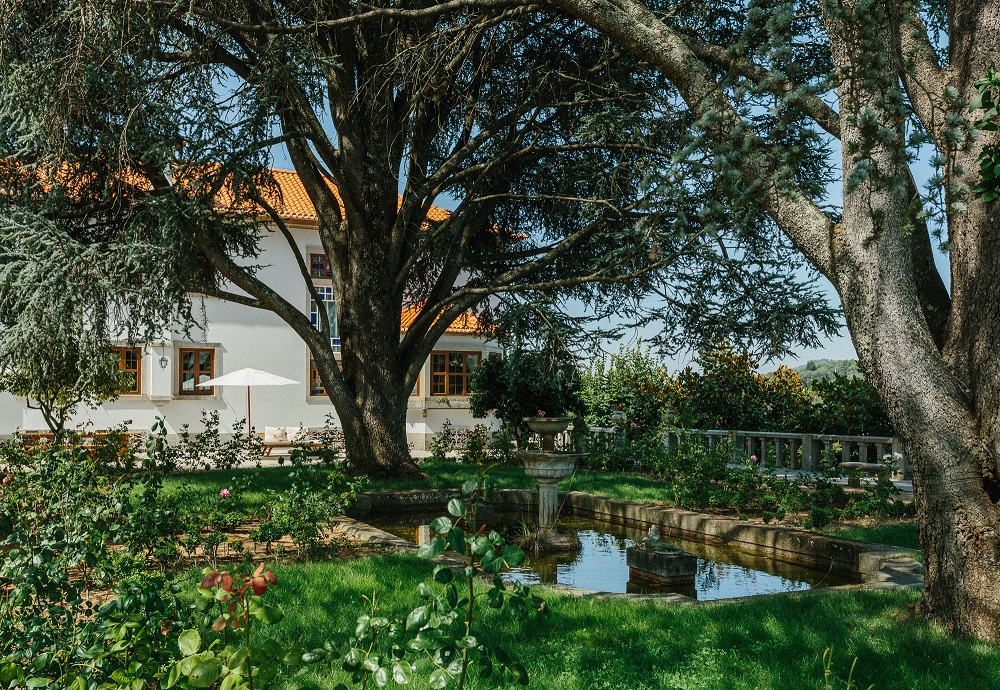
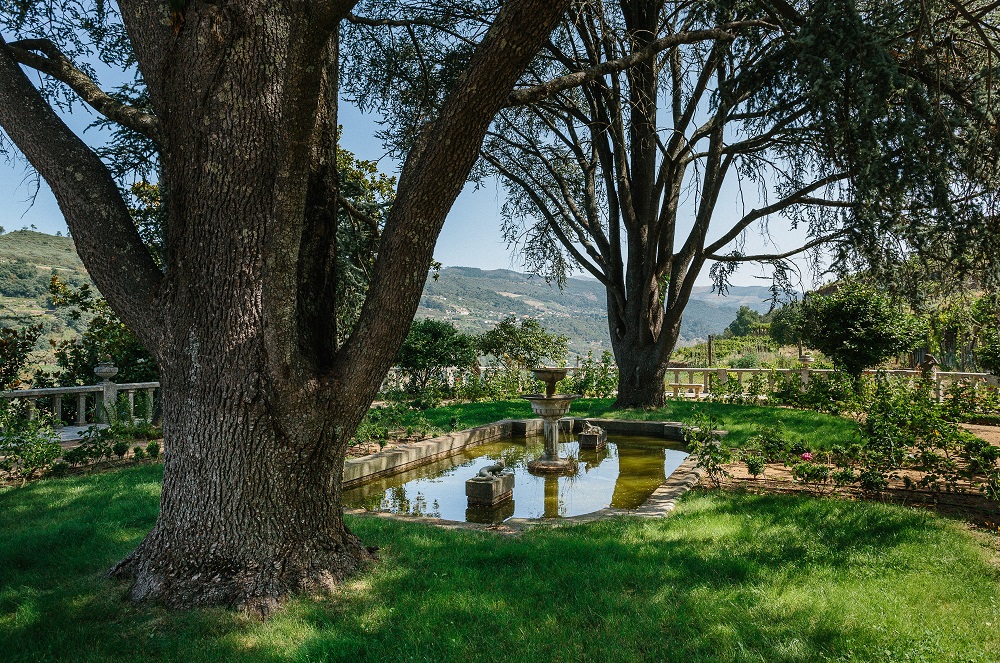
The Durante farm (Azienda Agricola Durante) is located in the northwestern part of the "Piave DOC" appellation in the province of Treviso. This region owes its exceptional development to the dedication and continuous interaction with the land and its natural resources. The Piave DOC area covers a vast plain bounded by the sea to the south, the hills of Conegliano and Montello to the northwest, and bordered by the Friuli region to the northeast, with the Piave River flowing through its entire length. The names of great wines are linked to the Piave River, thanks to the favorable composition of the surrounding soil, which is ideal for cultivating magnificent vines. Each wine is crafted with the same dedication, respecting ancient natural laws while incorporating a modern touch.
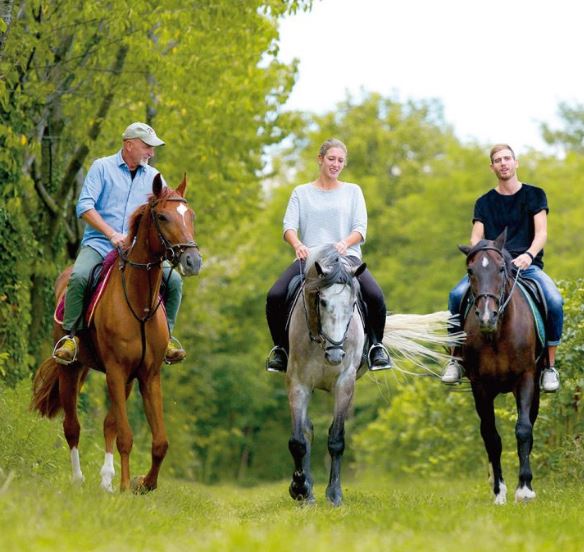
In this region with a long winemaking tradition, you will find the Durante farm, a small family winery situated at the foot of Mount Montello, managed by father Lino and his two sons, Ivano and Michele. The Durante farm spans an 18-hectare estate, which is also known as "Le Spinee"—a name that has been adopted as the winery's logo. An additional 1,500 square meters of land are dedicated to the winery facilities and also serve as a shelter for horses.
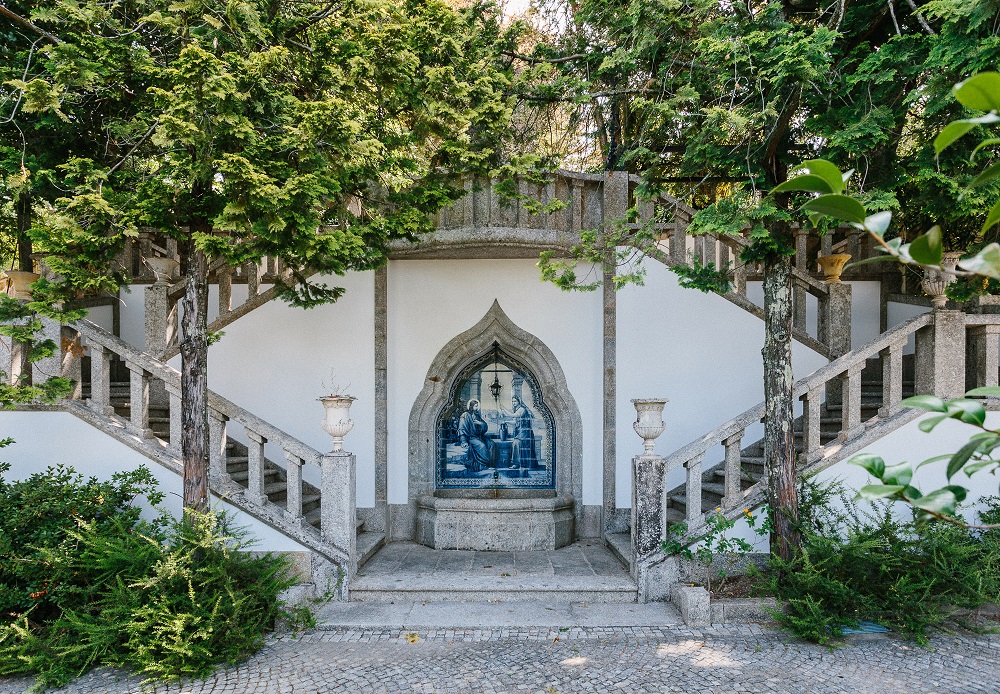
The name "Le Spinee" is derived from a site once inhabited by monks. Thorny bushes and brambles began to grow on this land, hence the Italian term for "thorns"—"Le Spinee."
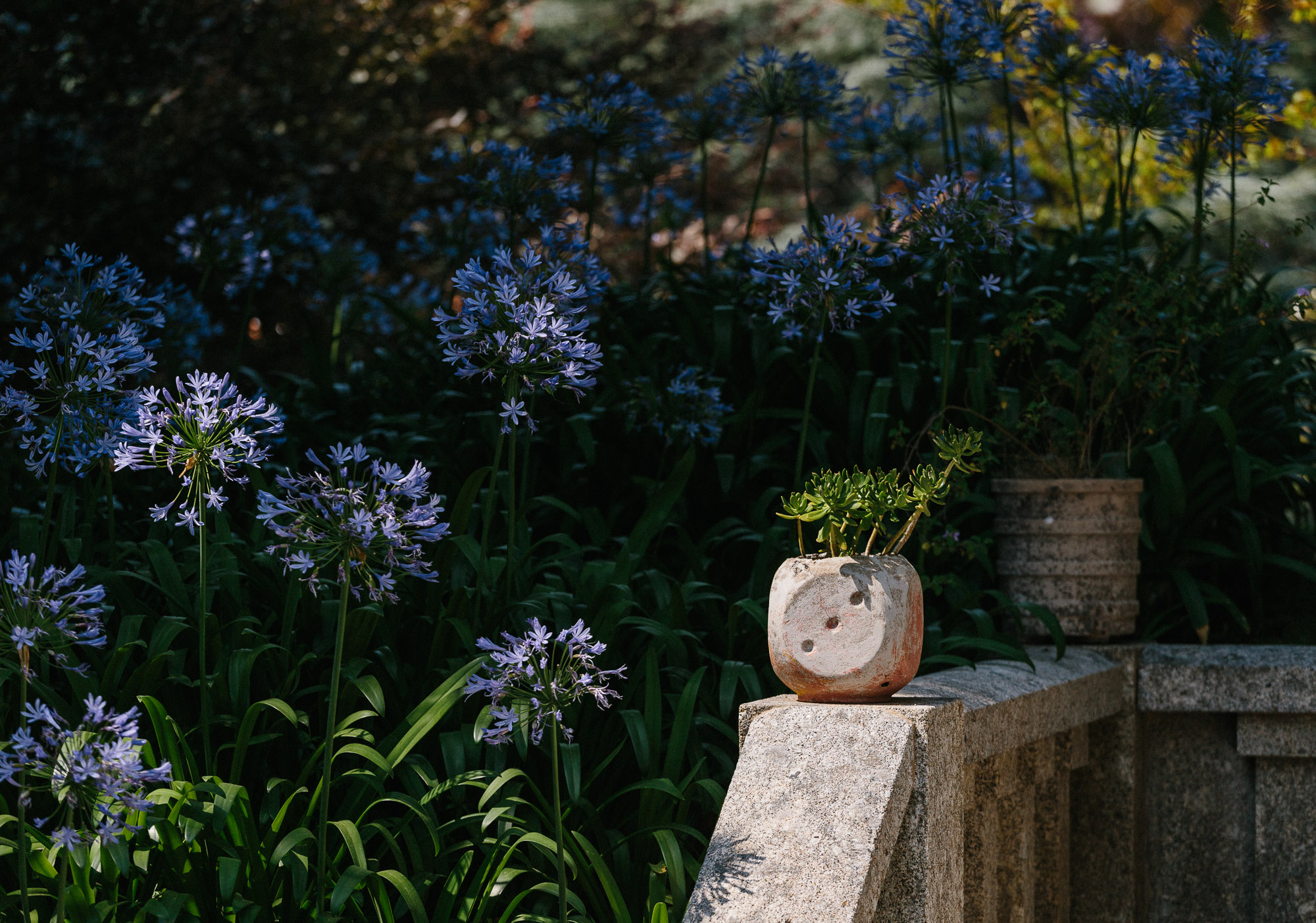
Today, this part of the estate has been transformed into a lush wine-producing property where both Ivano and Michele, striving to continue the tradition passed down by their grandfather and father, have been fully committed to organic farming since 1998.
Explore our selection and taste the organic passion of Durante wines here!






Weingut Gustavshof
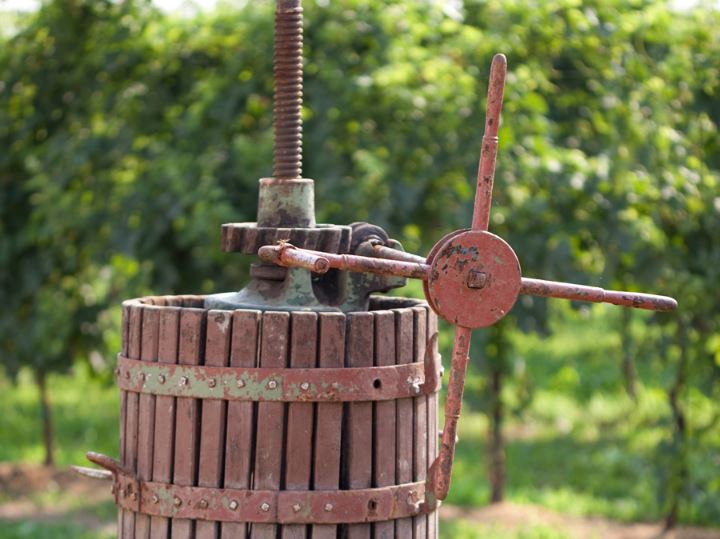
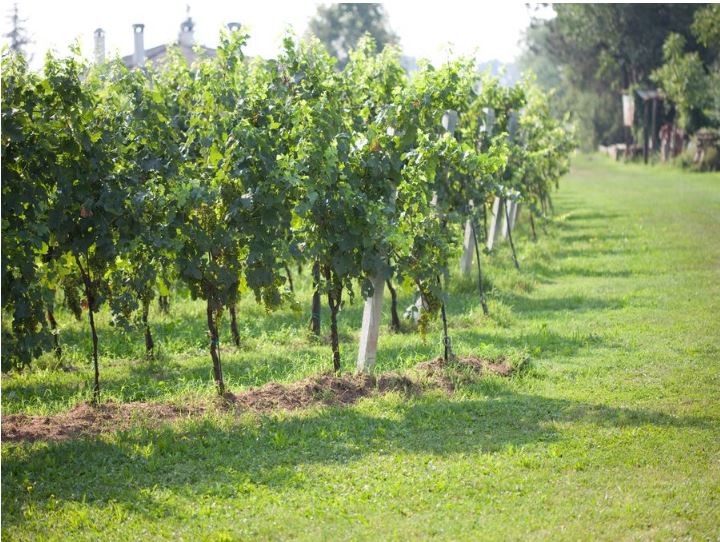
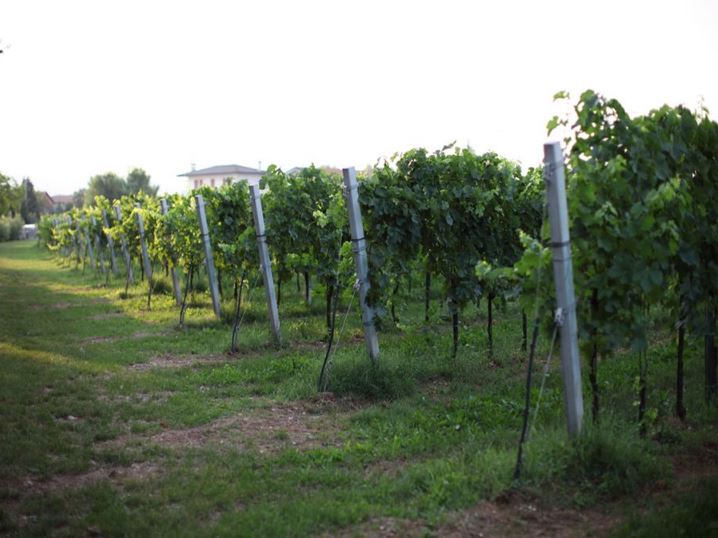
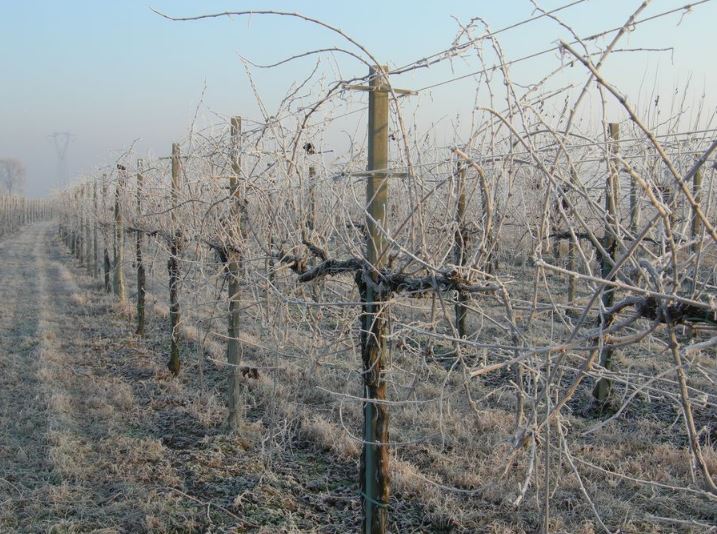
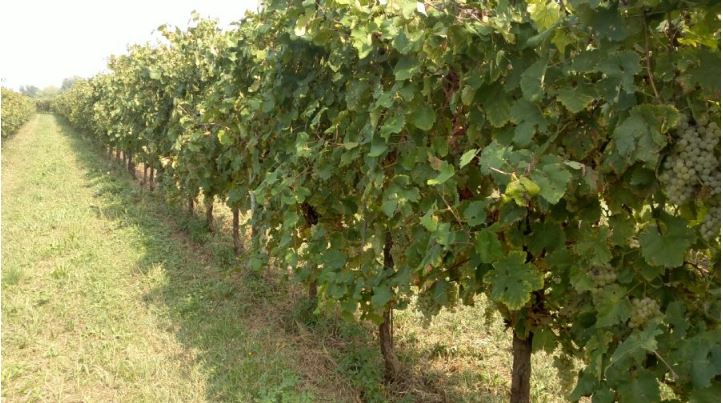
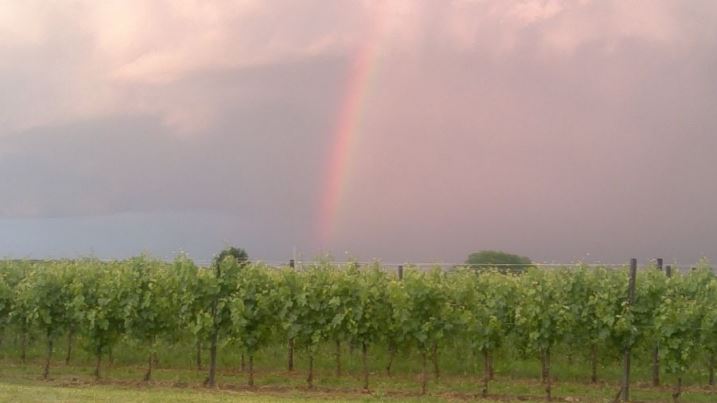
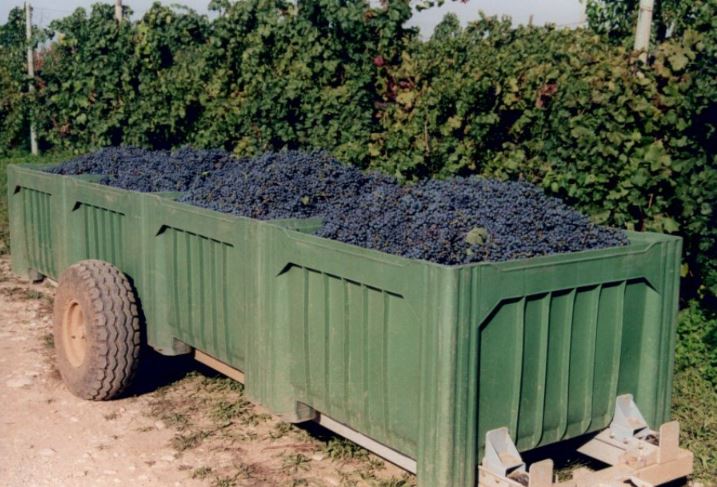
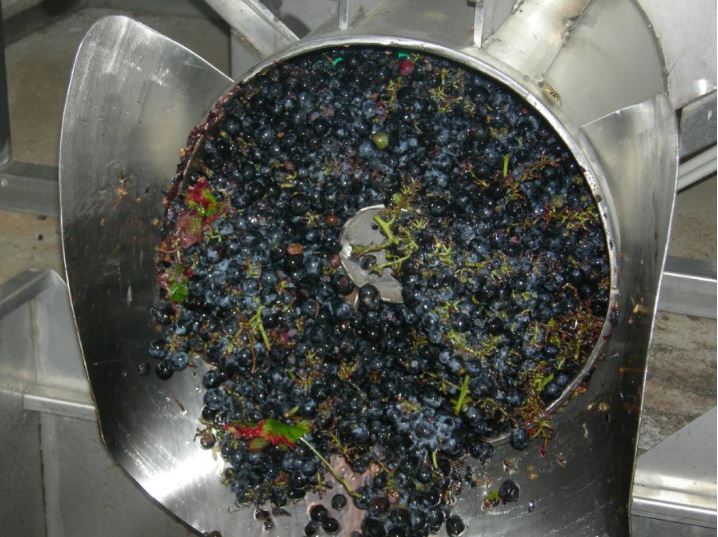
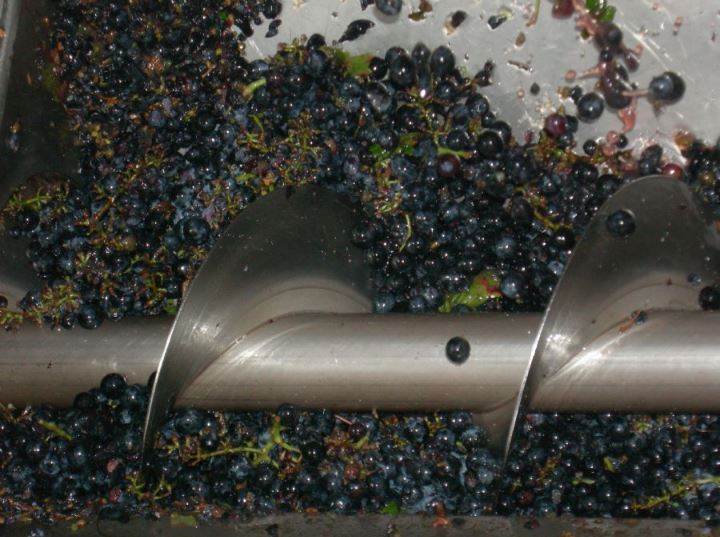
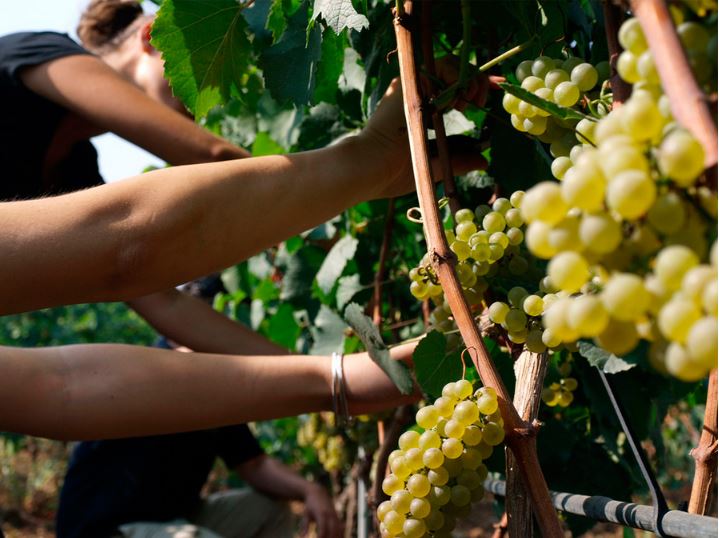
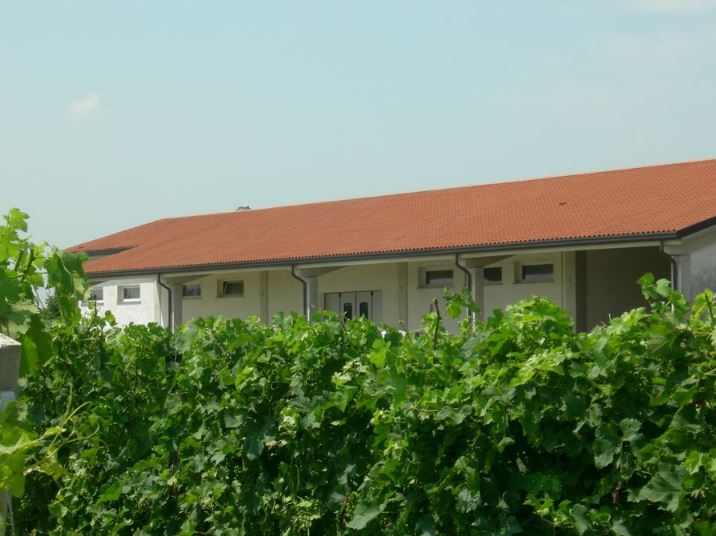
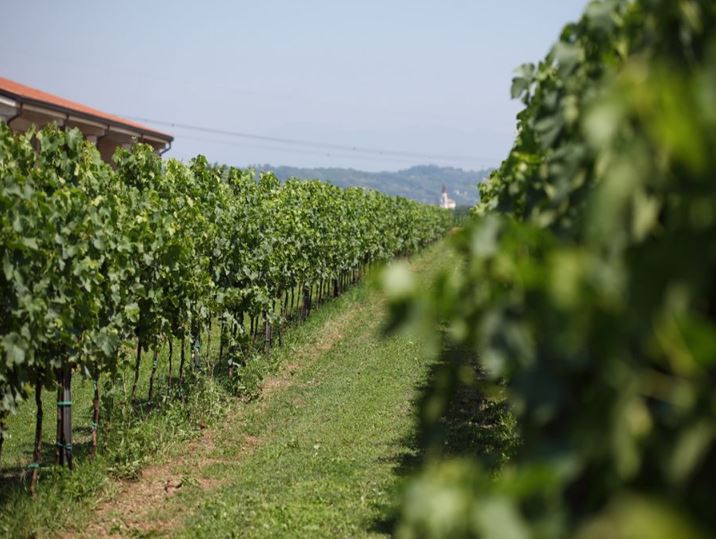
Gustavshof is located in the heart of Rheinhessen, about 30 km south of Mainz. The entire Rollo family represents the fourth generation managing the estate and its 18 hectares of vineyards. Since 2004, they have been operating under organic winemaking guidelines, becoming members of EcoVin in 2007. Since 2012, they have embraced biodynamic farming according to Demeter standards. All of their wines are produced 100% vegan.
Thanks to its holistic approach and natural impulses, biodynamic viticulture helps them achieve high-quality standards, making their wines more complex, vibrant, and long-lasting.
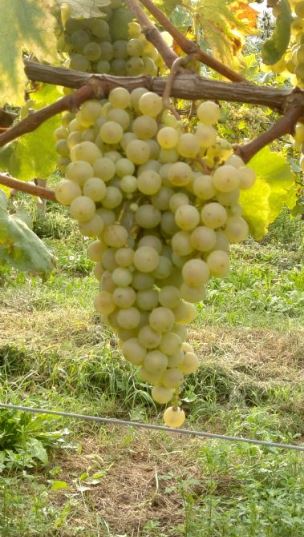
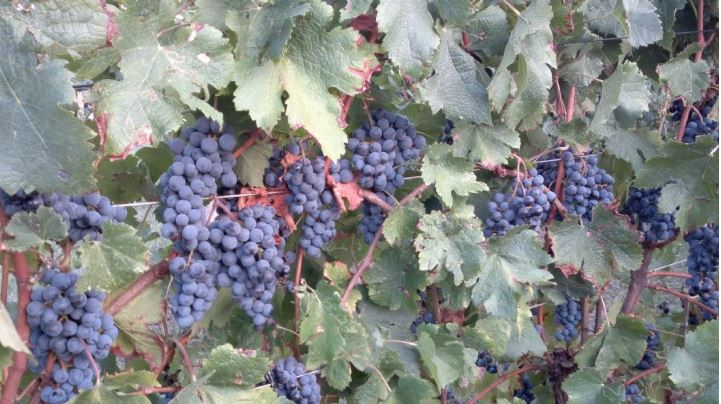
The vines thrive on highly chalky soils across vineyards with a wide variety of micro-characters, allowing for the optimal placement of each grape variety. In addition to classic, world-renowned varieties such as Riesling, Pinot Gris (Rulandské šedé), and Pinot Noir (Rulandské modré), they also cultivate regional varieties that have become rare, such as Würzer, Morio Muskat, or Huxelrebe. Furthermore, they have set new quality milestones in taste with fungus-resistant grape varieties (PIWIs), such as Cabernet Cortis.
Explore our selection and discover the vibrant, biodynamic character of Gustavshof wines here!
Amoreira da Torre
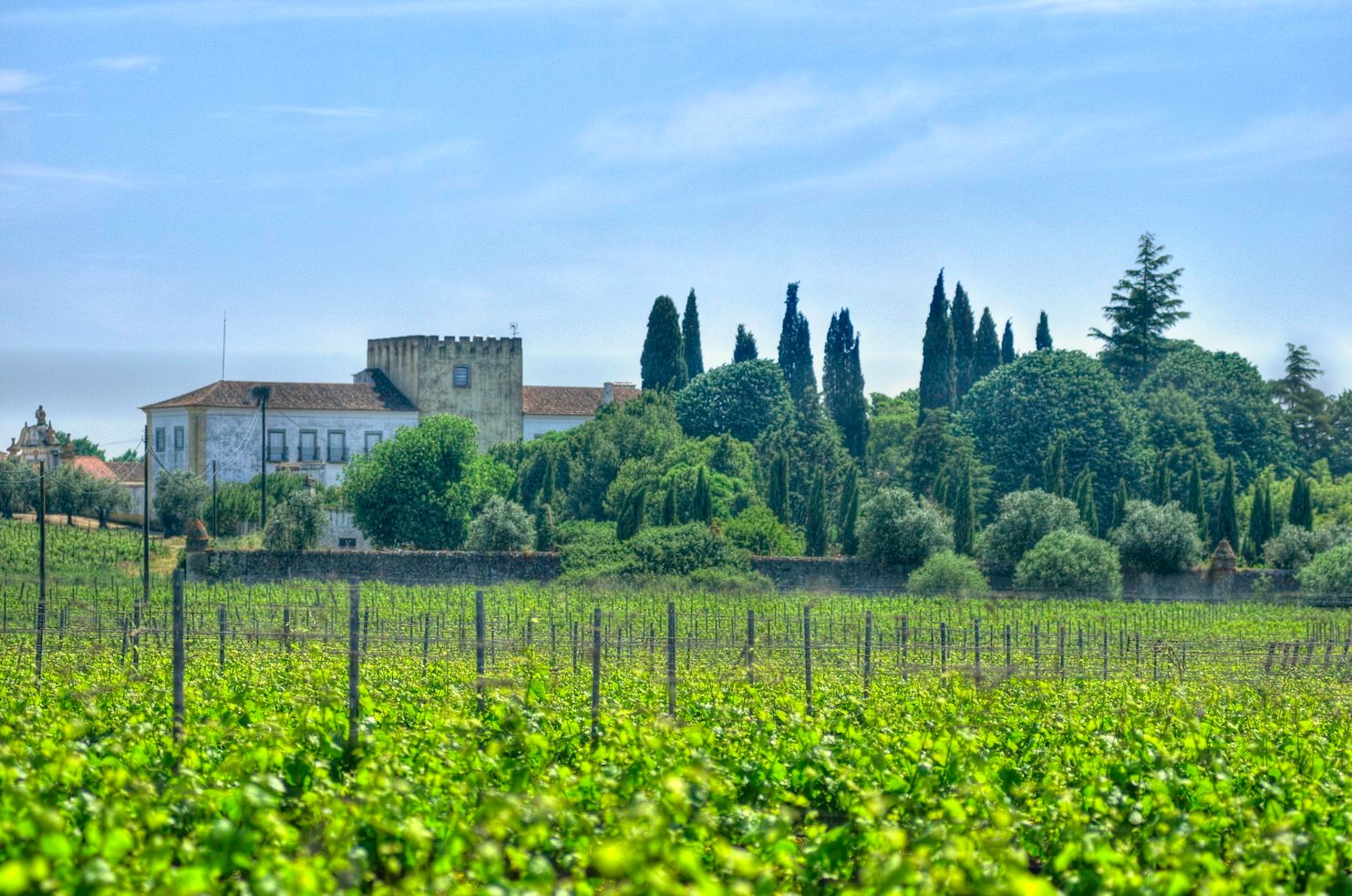
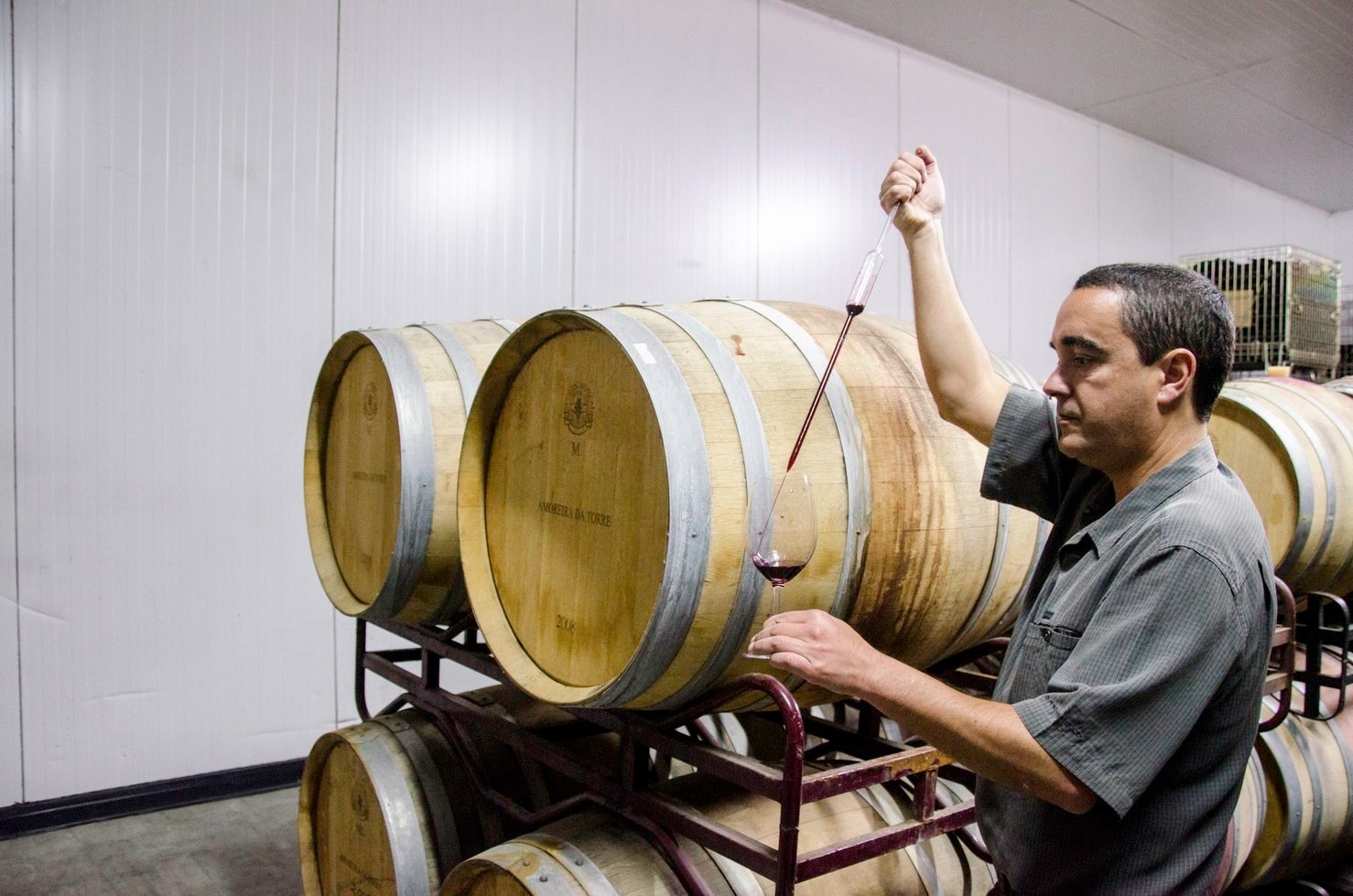
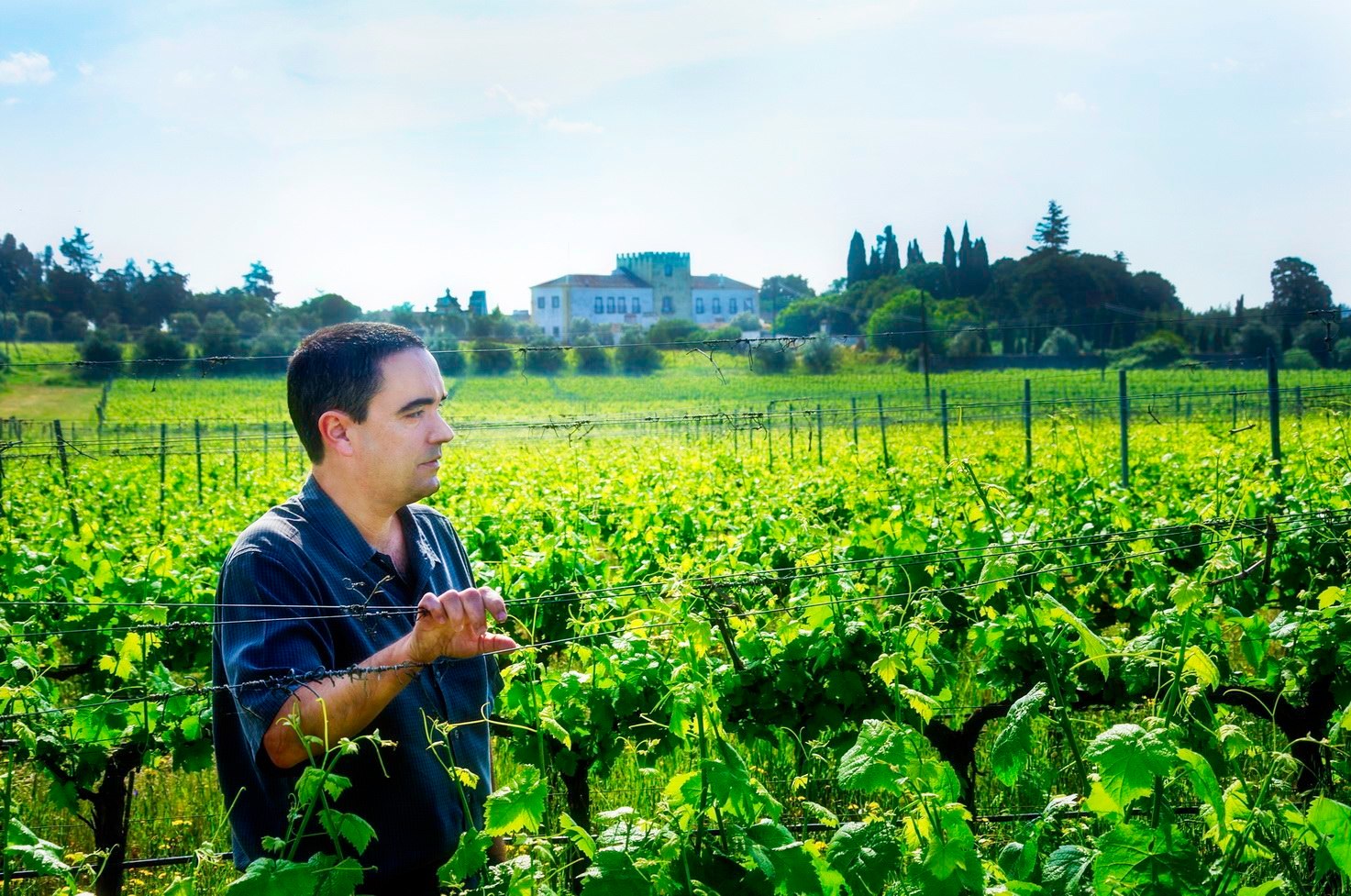
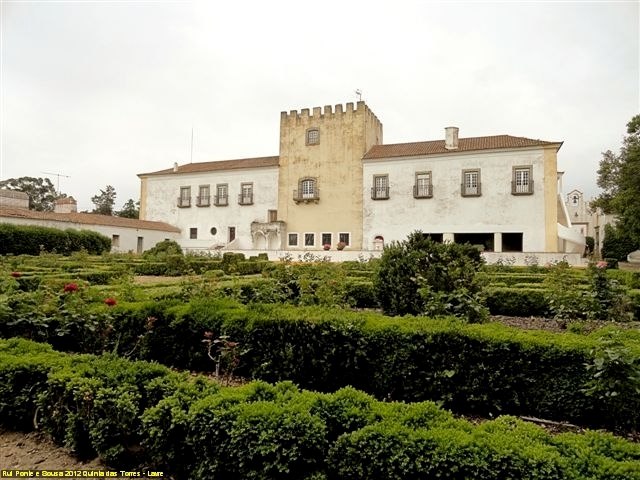
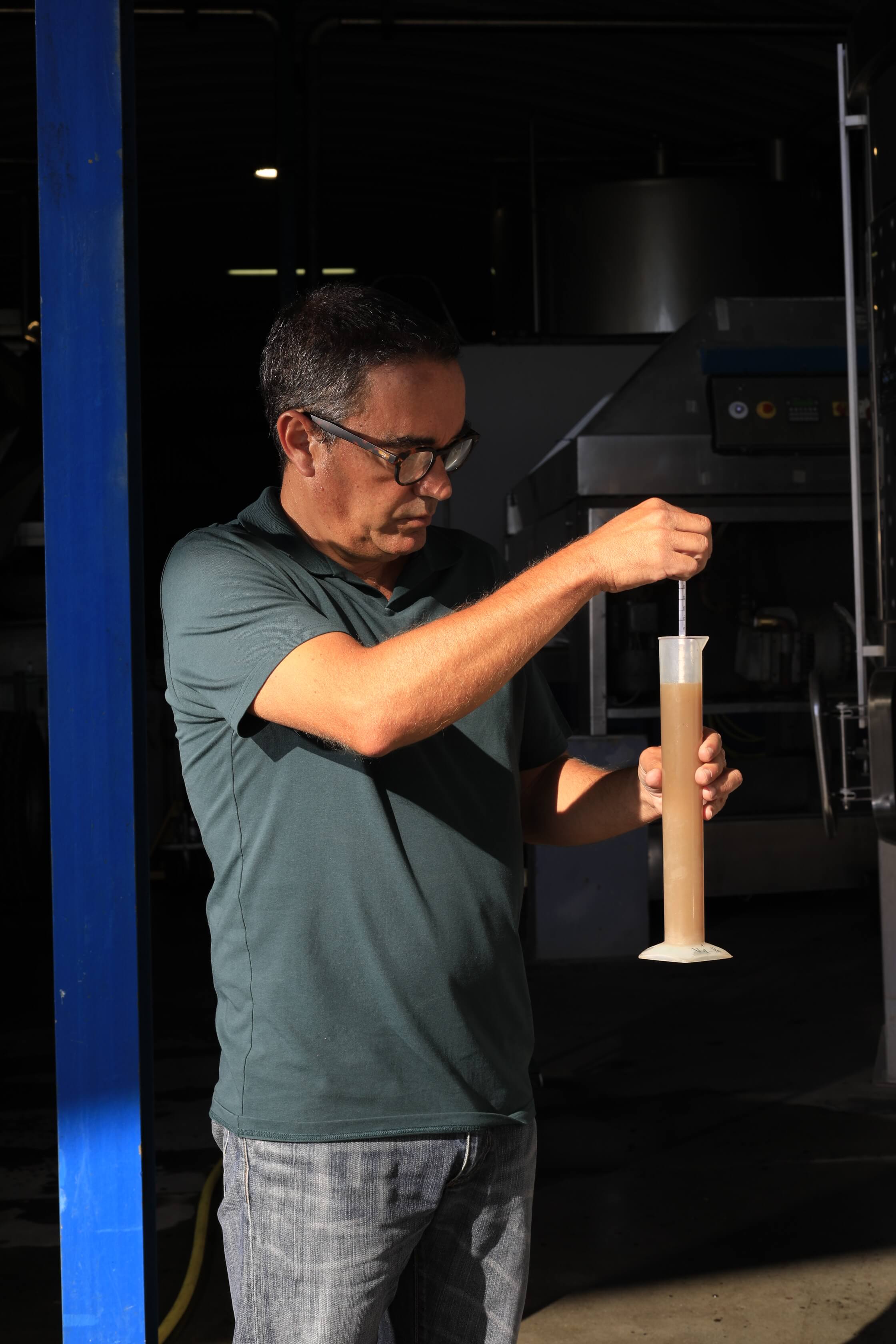
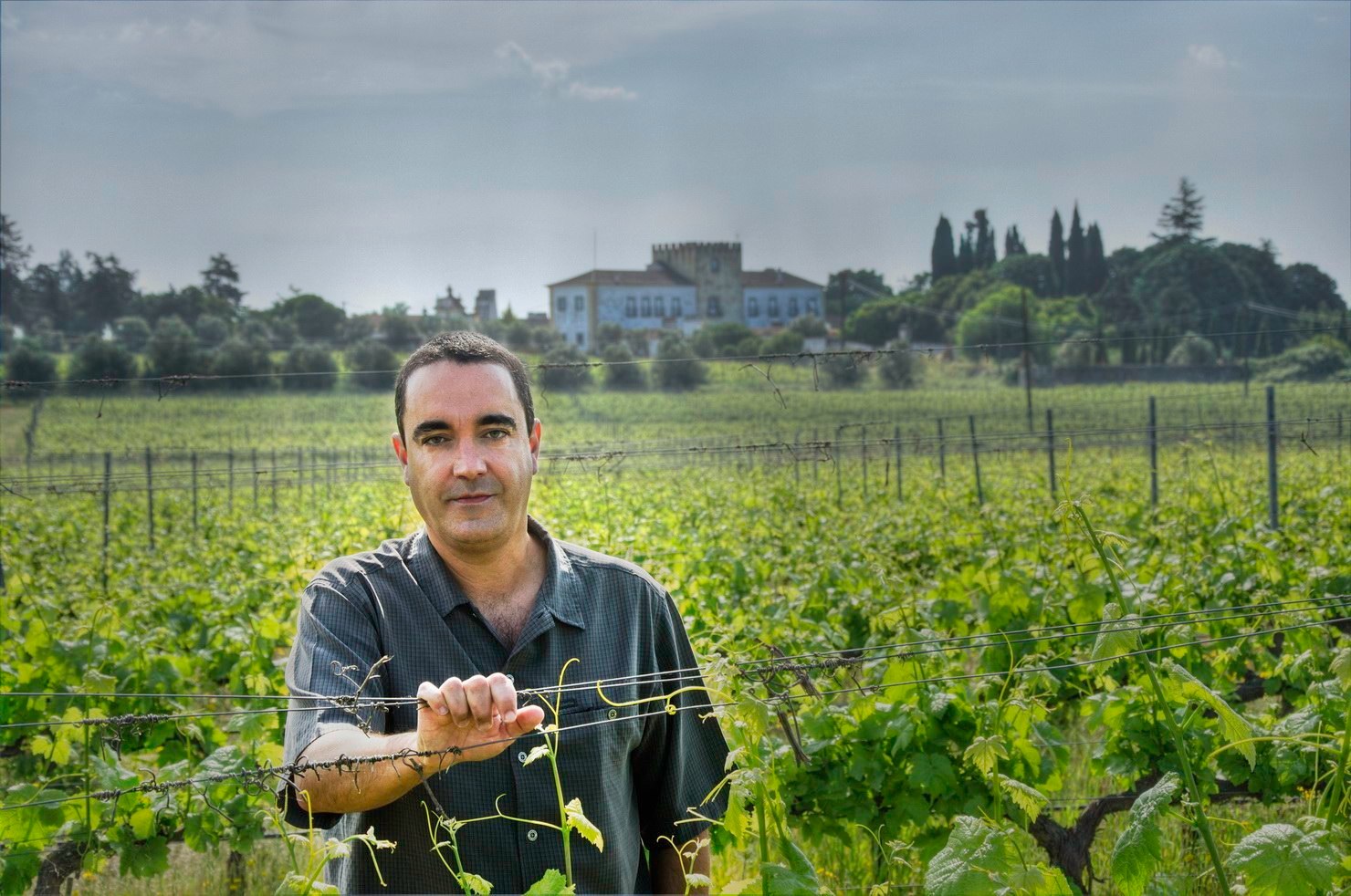
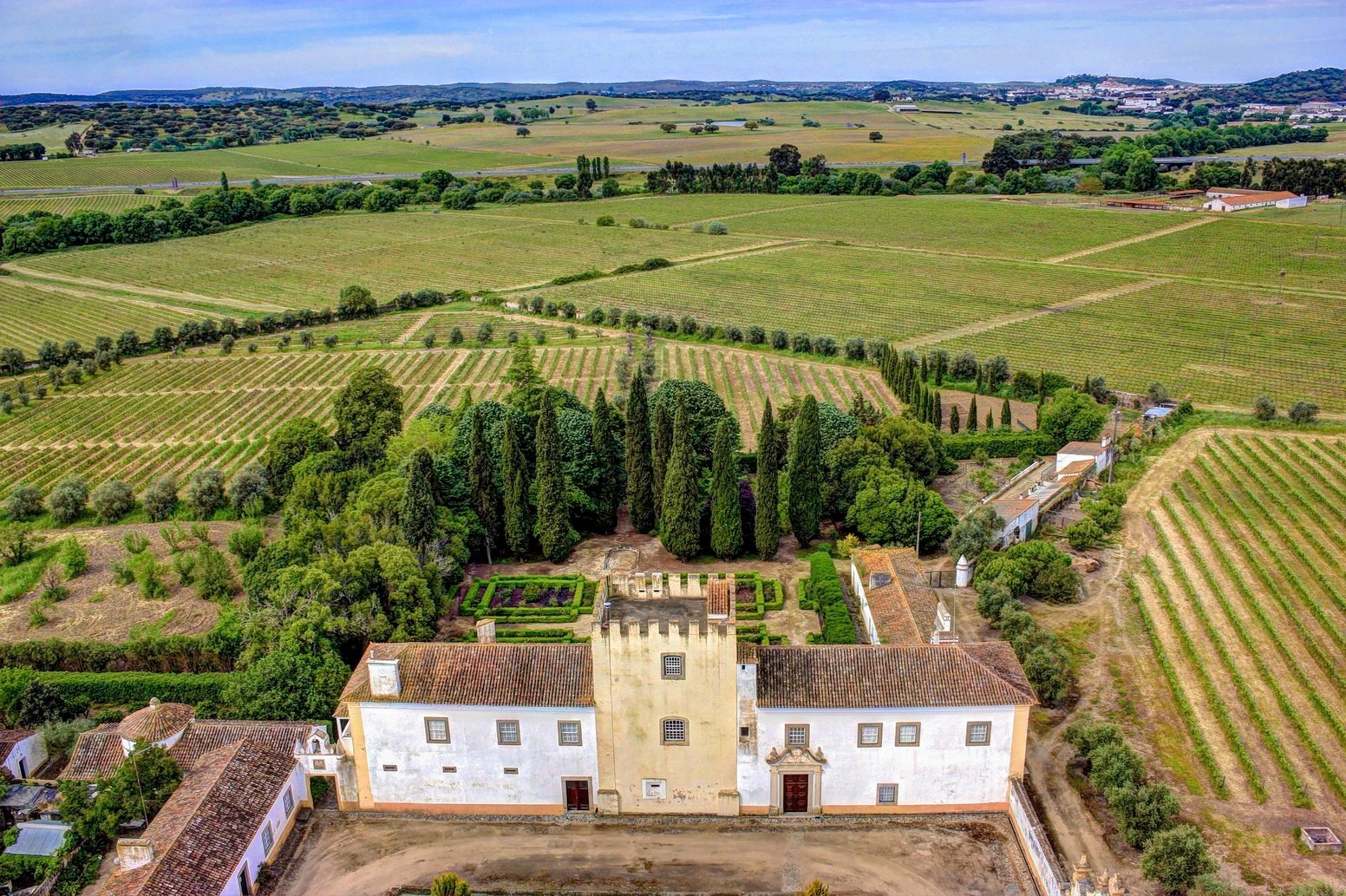
From the vineyards surrounding a 16th-century house and tower in Amoreira da Torre near Évora, Paulo Sendin produces high-quality wines just as his grandparents did nearly 100 years ago. The fertile soils, the hot and dry climate of Alentejo, and the gentle landscape allow him to describe his 20-hectare vineyard as his "garden." He has been producing certified organic wines since 2008. [1]
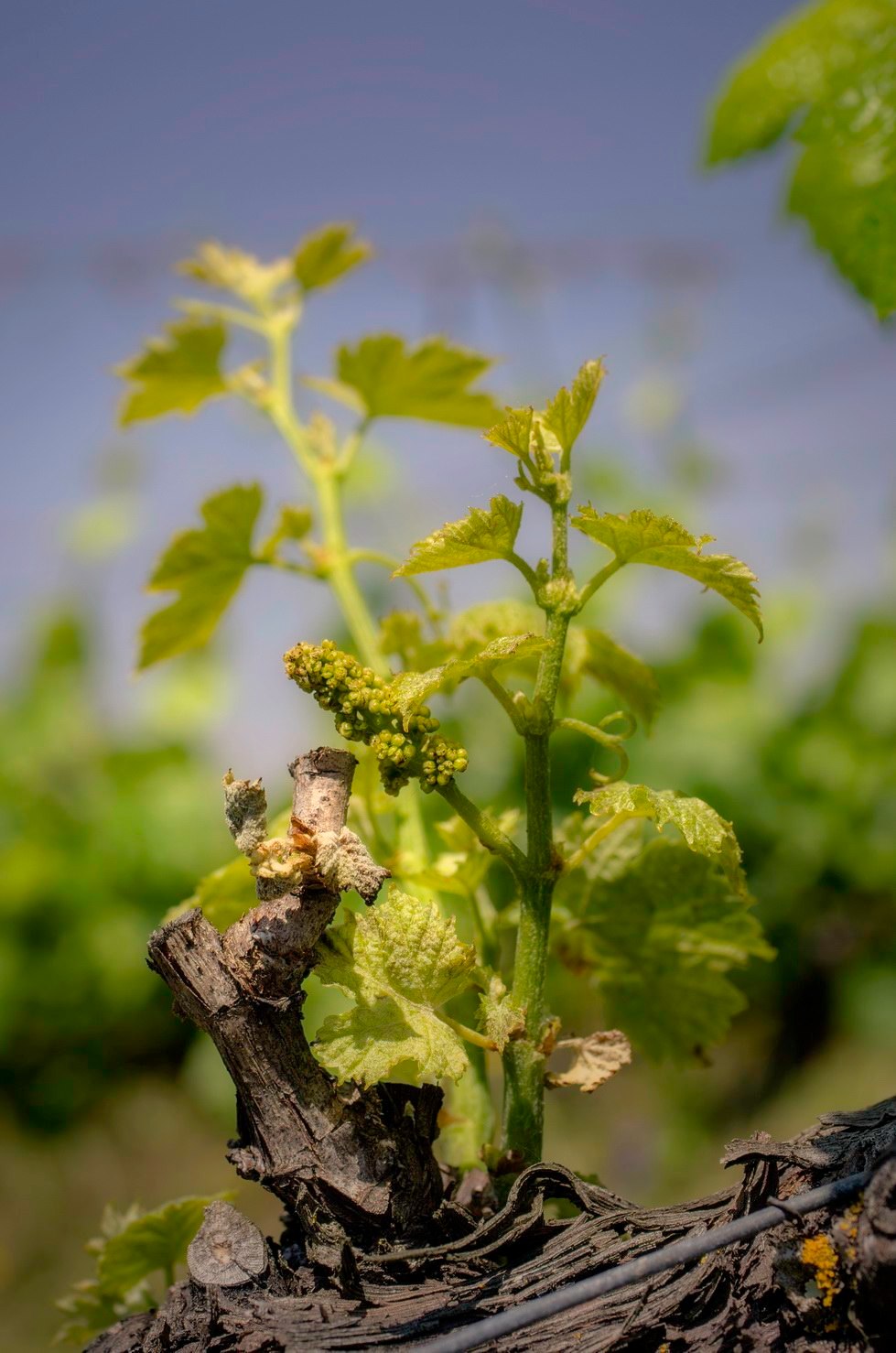
At Quinta da Amoreira da Torre, they believe that true winemaking begins in the vineyard, which is managed according to strict sustainable and ecological practices. They do not use herbicides, pesticides, fungicides, antibiotics, chemical, or synthetic fertilizers. They practice dry farming without irrigation and keep soil intervention to an absolute minimum. [1]
The red grape varieties cultivated are Aragonez, Trincadeira, Alicante Bouschet, Touriga Nacional, Touriga Franca, and a small portion of Cabernet Sauvignon. For white wines, they grow Arinto and Verdelho from Madeira.
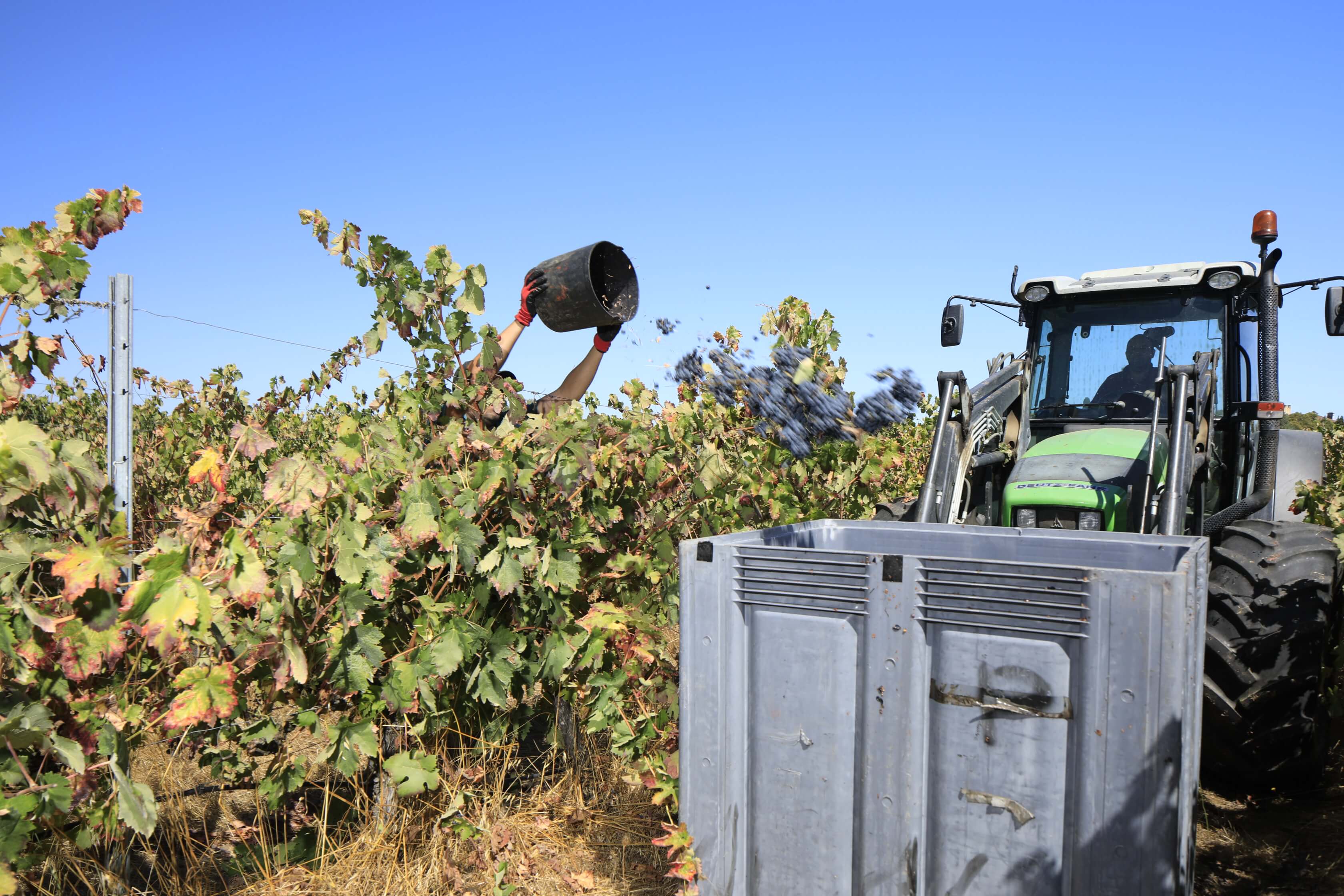
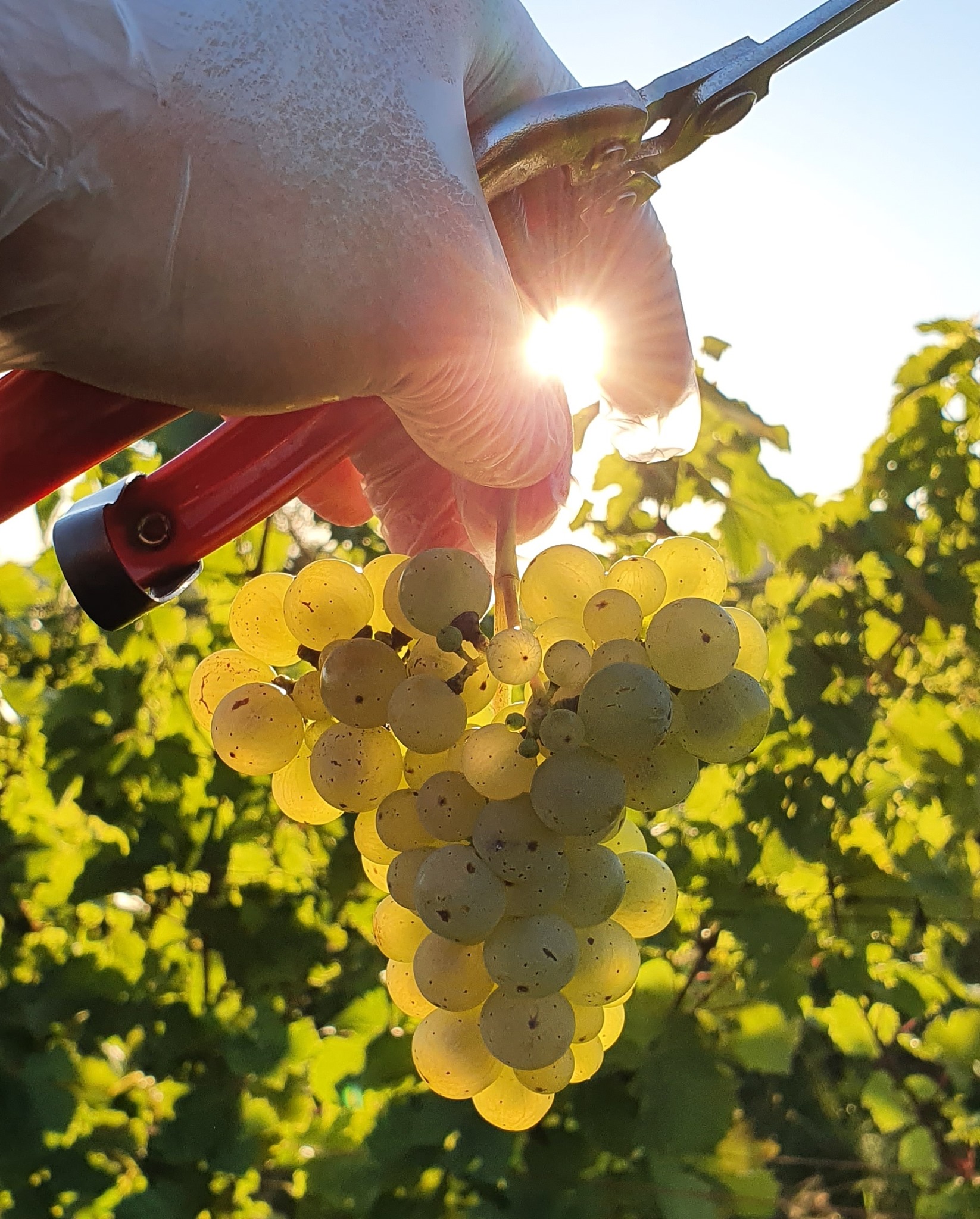
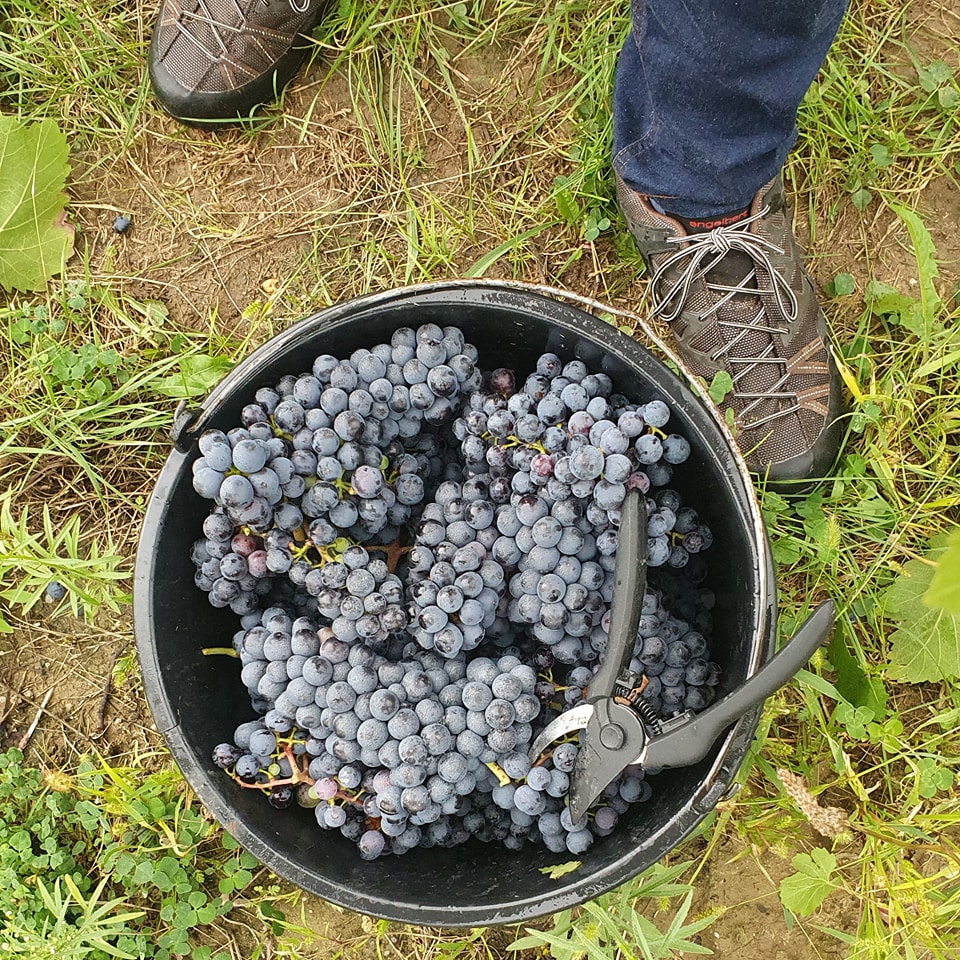
Harvesting is carried out strictly by hand, usually at the turn of September and October, with each grape variety being picked separately.
In the cellar, they follow the philosophy that all vinification should be a natural and ancient process with minimal human intervention. Fermentation begins spontaneously using only indigenous yeasts after the grape maceration. Nothing is added to or removed from the juice; it is only gently filtered and contains a minimal amount of SO2. [1]
"Our goal is to create living and authentic wines that reflect their terroir, breathing with the energy of the landscape and the passion of those who guided them."
Explore our selection and experience the vibrant energy of Quinta da Amoreira da Torre wines here!

Vinné sklepy Maršovice
The first vineyards in the vicinity of Maršovice were likely established as early as the 12th century, alongside the founding of the nearby monastery in Dolní Kounice. The vines thrived on the local slopes, as confirmed by a 17th-century land register stating that "...very good, delicious wines are well-born here." [1]
A period of great prosperity followed, which unfortunately came to an end in the late 20th century when most of the vineyards were attacked by phylloxera and nearly destroyed. This devastating event motivated the family in the 1990s to reconnect with previous generations and begin restoring the traditional vineyard tracts. [1]
During the initial years, they mastered the winemaking craft and searched for the secrets behind producing the highest quality wine. They gradually expanded their winemaking facilities and, with the support of their extended family, successfully built a vaulted cellar for aging the wine. Today, they produce premium wines that earn prestigious awards at both Czech and international competitions. [1]
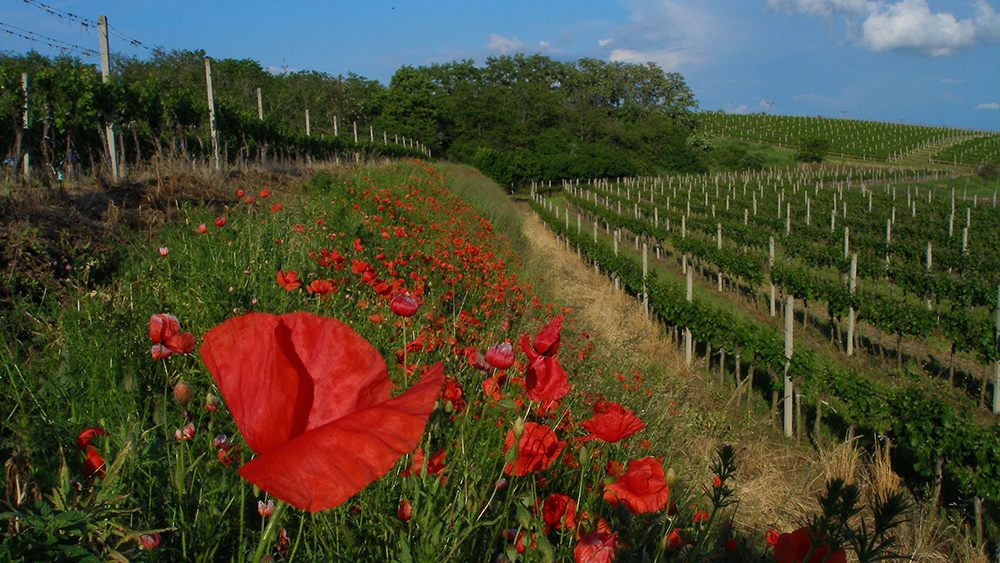
The vineyard terroir is shaped by the rugged formations of the Brno Massif, consisting of deep igneous plutonic rocks from the granite group. Thanks to the distinct local microclimate and clay soils, full-bodied red wines thrive here remarkably well—particularly varieties such as Blaufränkisch (Frankovka), Cabernet Sauvignon, Pinot Noir (Rulandské modré), Zweigelt, Saint Laurent (Svatovavřinecké), and Dornfelder.
During production, the focus is on achieving a balanced ratio of acidity and residual sugar to ensure the resulting wine is pleasantly fresh and harmonious.
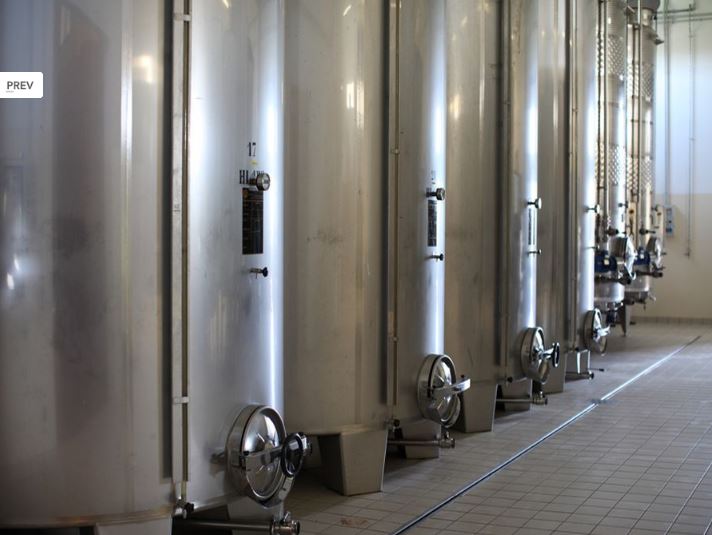
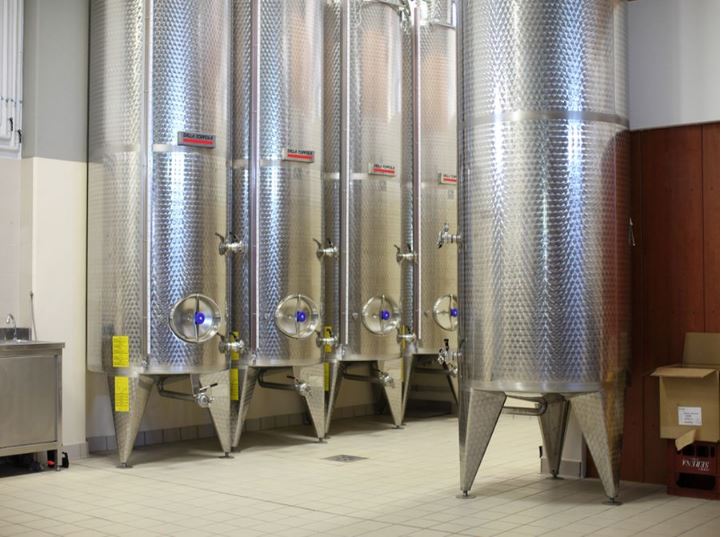
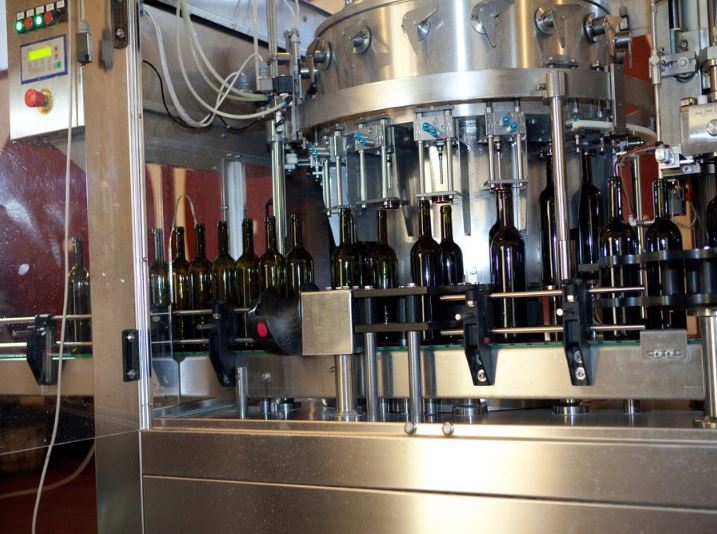
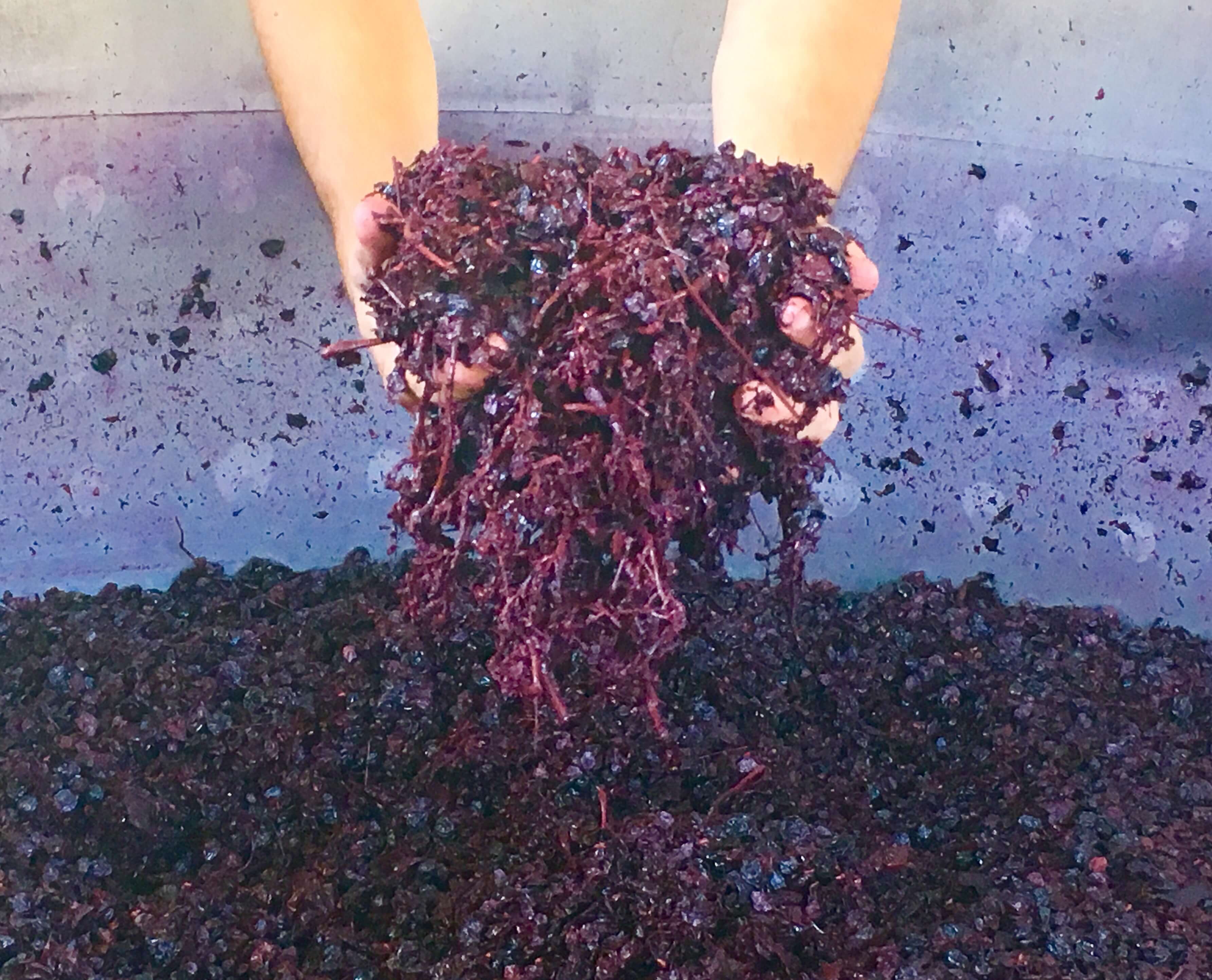
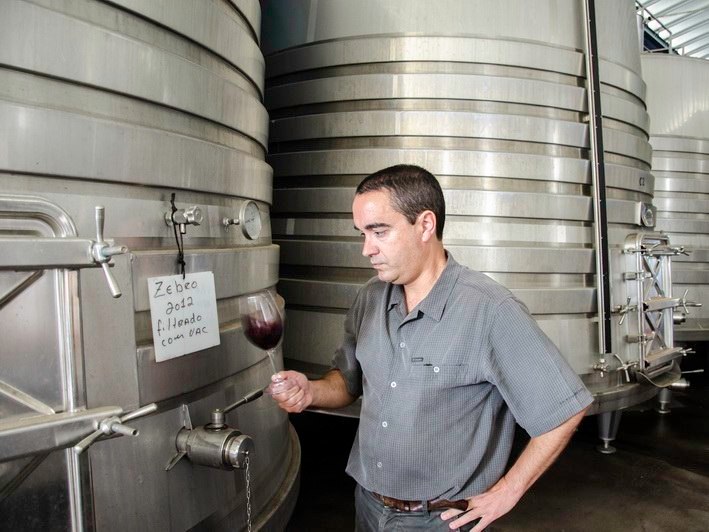
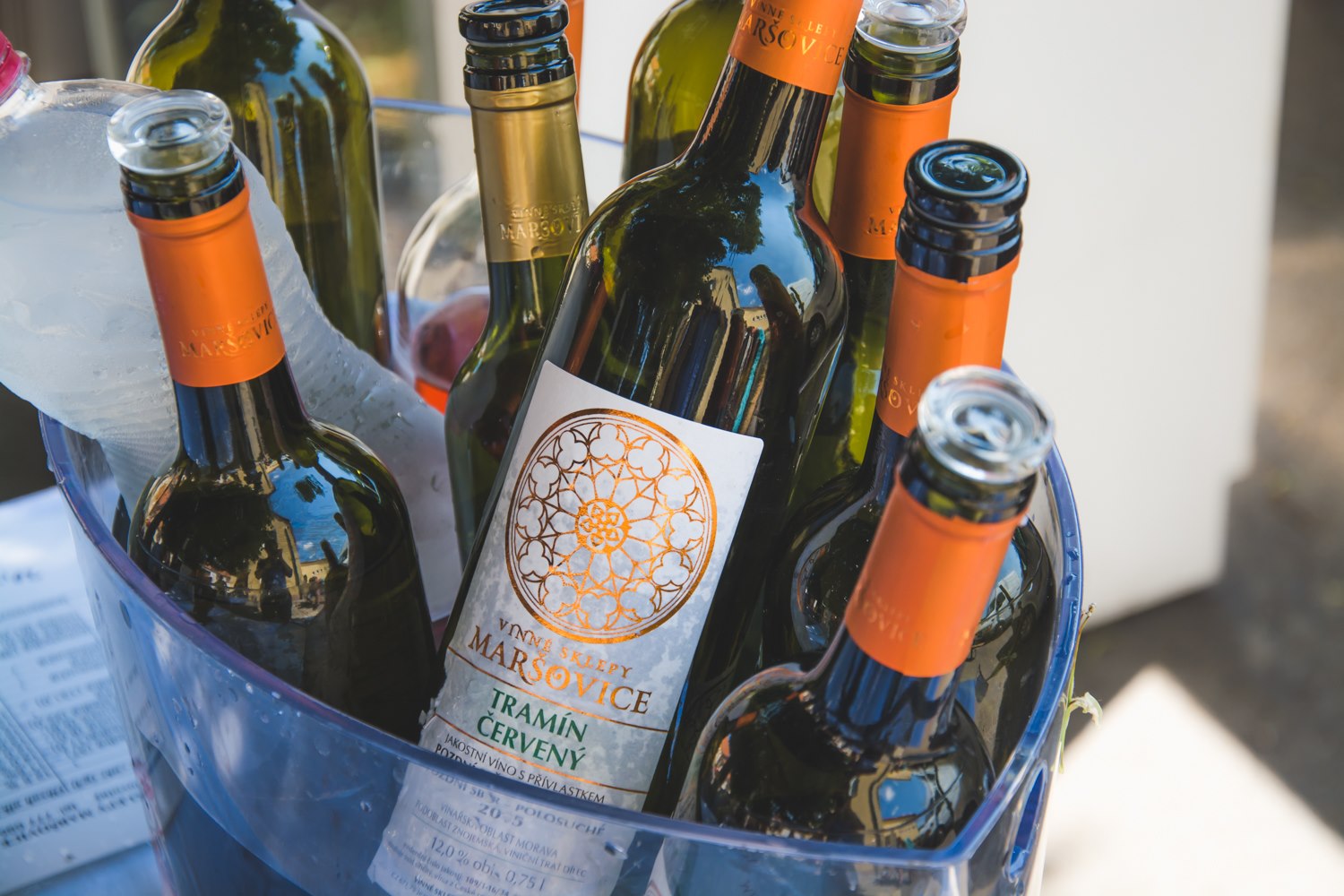
The wines are crafted exclusively from their own, carefully selected grapes. The harvested grapes are processed in automated stainless steel vinifiers utilizing temperature-controlled fermentation at low temperatures. This process eliminates the loss of aromatic compounds, giving the resulting wine a more intense bouquet. The grapes are pressed in an automated pneumatic press without air access, preventing undesirable oxidation. Subsequently, the wine is clarified using purely natural substances. Maturation takes place in stainless steel tanks, and the finished wines are bottled on an automated filling line, helping the winery produce roughly 100,000 bottles annually. []
Explore our selection and taste the unique terroir of Vinné sklepy Maršovice here!
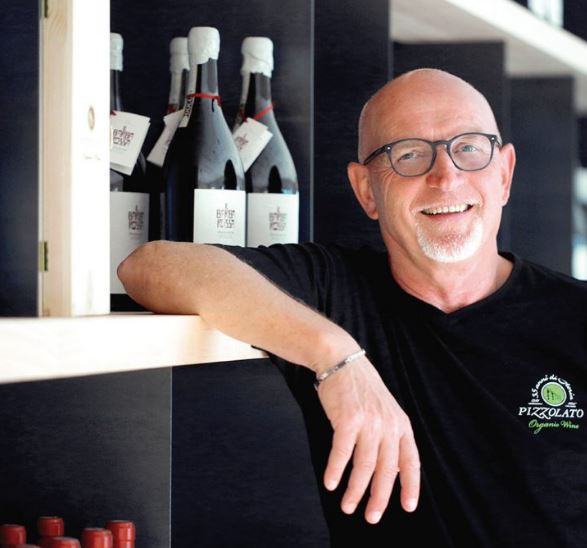
La Cantina Pizzolato
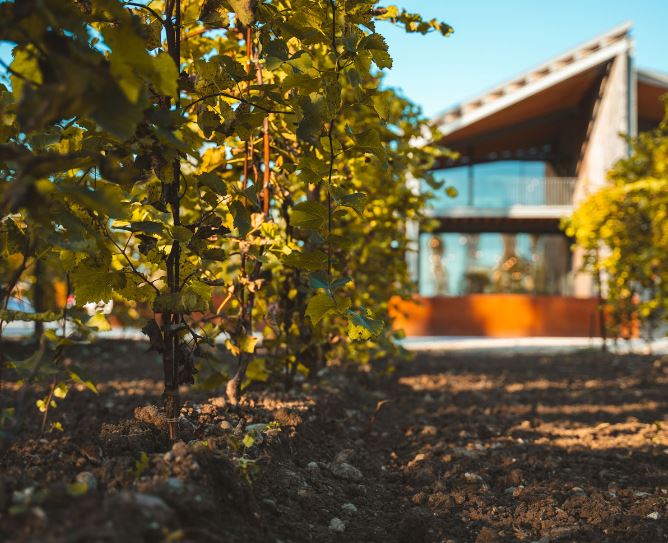
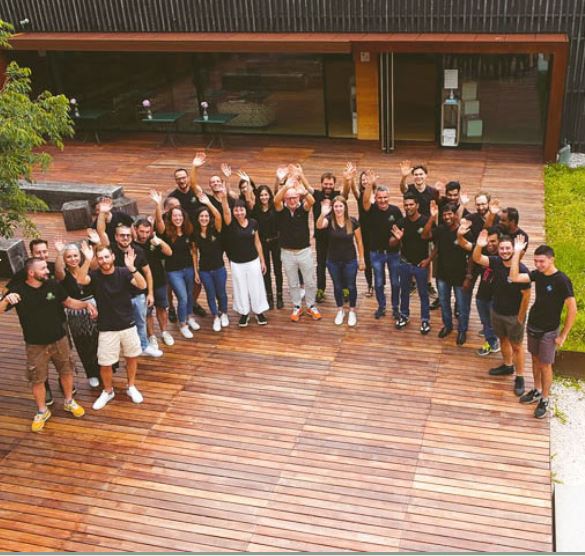
This is a long family story of parents and children working together to cultivate a land that is organic by nature. It all began in the 1990s in the open countryside north of Treviso—a land dotted with fruit trees and vines, where the air, the soil, and the fruits born from this agricultural heritage are all purely organic.
"Learning from the past, living in the present, and dreaming of the future."
Since 1991, drawing upon the powerful experience of five generations, the family has been dedicated to well-being while enhancing the organic value of the estate. They ensure a balanced ecosystem across their agricultural land and personally oversee daily winery operations to craft wines with meticulous care from freshly picked grapes straight from the vineyard. The wines made from these grapes reflect the unique identity of the fruit while delivering a genuine sense of well-being.
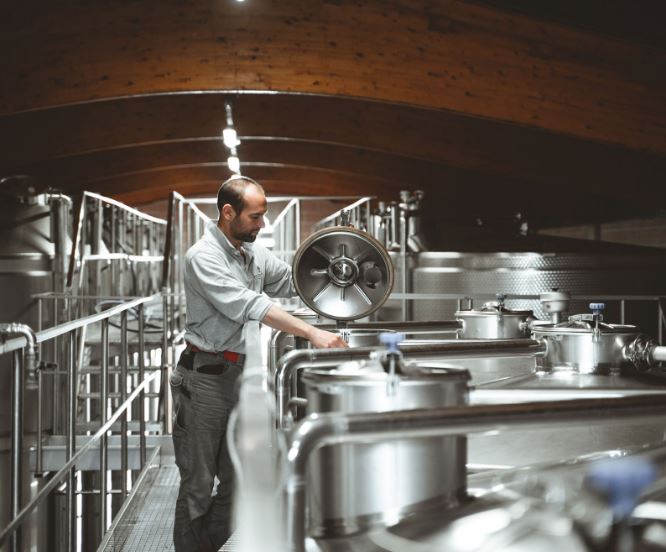
The company's primary goal is to work with respect for the environment in which it grows, enhancing the outstanding characteristics of a territory perfectly suited for viticulture. They constantly strive for a healthy, correct approach to cultivation and winemaking methods, monitoring every single production process from the vine to the bottle with an uncompromising focus on quality. They embrace key elements that have never been as important as they are today: respecting natural cycles, utilizing alternative energy sources through solar panels, recycling water, and employing innovative, energy-efficient technologies.
Furthermore, their winery building is perfectly integrated into the surrounding landscape. It is clad in wooden planks made in Italy from the sustainably managed beech forests of Cansiglio, processed according to traditional craftsmanship. The product labels and packaging are also designed for a low environmental impact. While managing the estate traditionally, they also leverage state-of-the-art technologies to assist them.
All of their wines are now certified vegan.
Word from the Winemaker:
"We are working on the right path toward a future rich in organic products. This means we want to give our children—Federico, Stefania, and Edoardo—the opportunity to live in an environment with clean air, where the vineyard stands as one of the territory's most important symbols. We are proud to have chosen this path to look into the future, respecting nature and savoring our precious traditional wine. It means contributing a seed of positivism and trust to the world. This is the organic world; this is the future."
Grapes grown in an unpolluted, clean environment produce organic wine that preserves itself beautifully without the need for unnecessary preservatives.
"Organic is our lifestyle, which is why obtaining the official certification was easy for us. We were already organic! Every day we face the challenges of organic farming. When tough years test us to protect our grapes, because we cannot and will not use chemical pesticides, an absolute, deep knowledge of natural systems is required. That is the core of what we do. Farming organically is a matter of sharing knowledge and having a deep respect for the land, which in return rewards us with wine of incredible quality."
Explore our selection and discover the pure, organic spirit of Pizzolato wines here!


Mont'Albano
The Mont'Albano winery was founded in 1985 in the heart of the Friuli Venezia Giulia region, born from the forward-thinking intuition of Mauro Braidot. Unlike most producers of that era, he converted his 5 hectares of vineyards entirely to organic production. In 1998, the winery expanded to become Mont'Albano sas. [1, 2]
In 2008, Mont'Albano joined the prominent Sartori group from Verona. By combining their extensive experience in organic farming with the heritage of the historic Veronese winery—which had already been embracing organic viticulture for several years—the product portfolio expanded significantly. Thanks to this partnership, the Mont'Albano brand can offer its customers not only wines from the Veneto region but also premium organic selections from Abruzzo and Sicily, sourced from estates within the Sartori group.
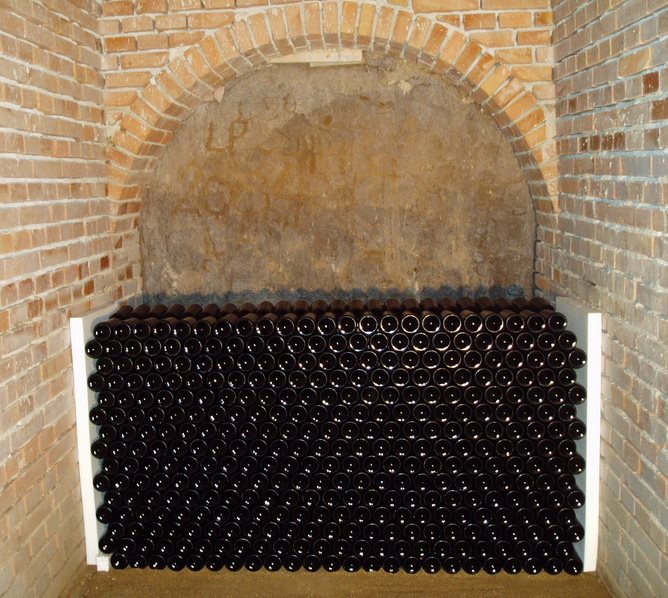
The winery's name is inspired by the figure of Saltaro (a 18th-century vineyard guardian), who left an inscription on the ceiling of one of the vaulted arches inside the historic cellar in 1709.
Today, logistics and administration are handled in Verona, while the wines are crafted by certified organic winemakers. In Friuli, Mont'Albano Agricola remains the visionary leader of the project.
The strategic location of the vineyards and the varied harvest schedules allow for a meticulous selection of raw materials, capturing unique autochthonous characteristics. The grapes are harvested entirely by hand into small plastic crates and transported as quickly as possible to the cellar. Immediately upon arrival, they are transferred to a sorting belt before crushing and destemming. During this stage, two or more people perform careful manual sorting, further ensuring the absolute integrity of the fruit.
Vinification takes place in temperature-controlled stainless steel tanks, where precise cap punching, pumping over, and removal of unwanted elements are carried out. Wines from three separate vinifications are kept isolated after pressing. Following malolactic fermentation, they are transferred to wooden barrels of various sizes, types, and origins:
- Large oak casks (20–25 hl)
- 500-liter barrels (tonnieaux)
- 225-liter barrels (barriques)
The concepts of terroir identity and grape variety characteristics are deeply respected. Regular racking, meticulous cellar care, and subsequent blending during maturation bestow the wine with exceptional balance and rounded, velvety tannins.
Explore our selection and taste the organic pioneer spirit of Mont'Albano wines here!

Tenula il Palagio
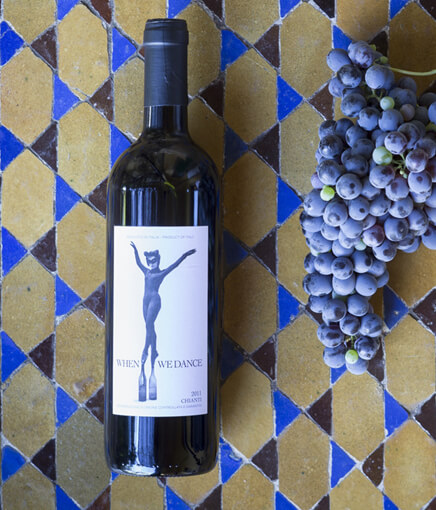
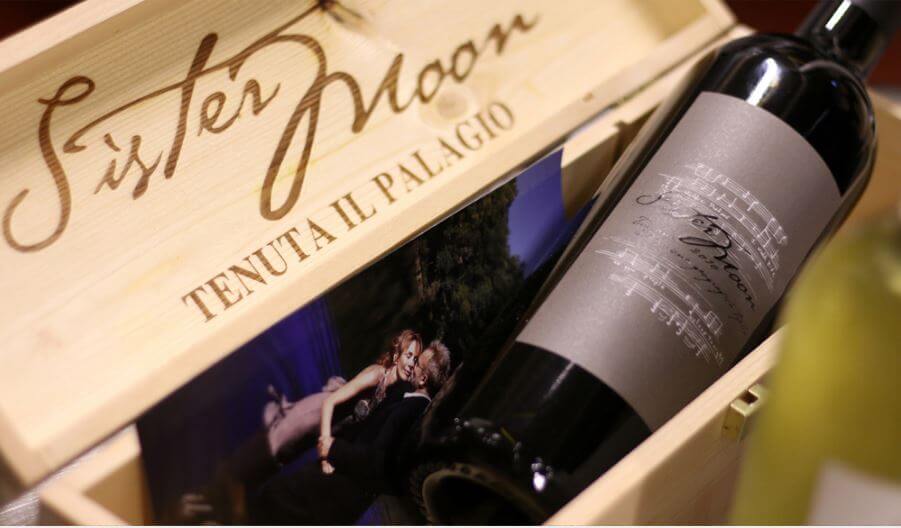
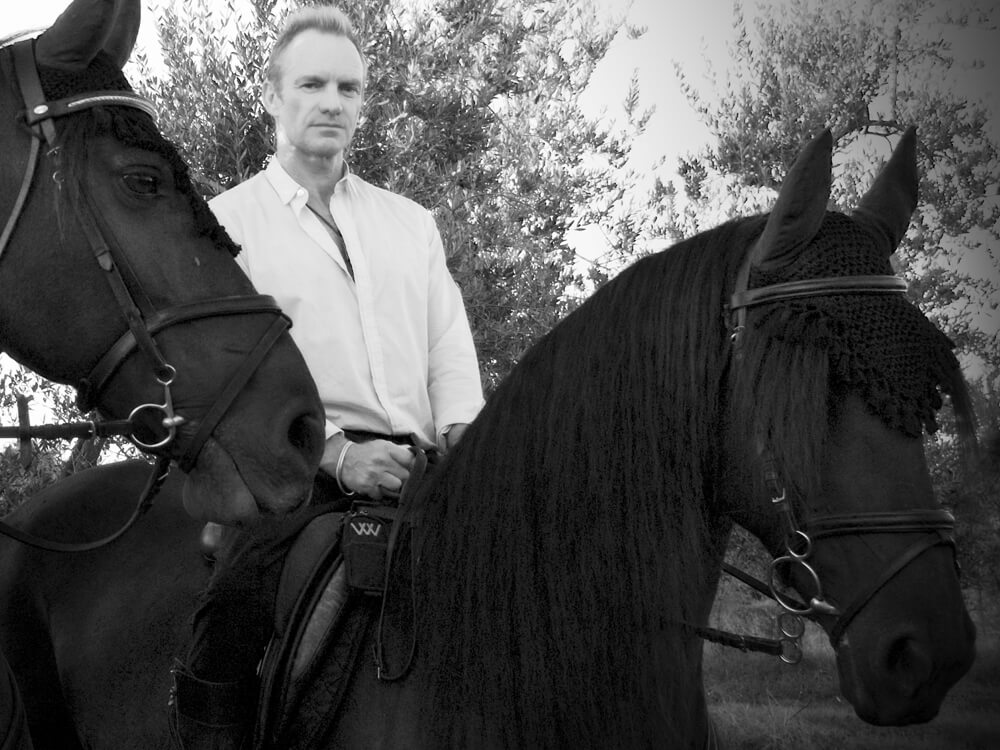
The 350-hectare Tenuta Il Palagio estate is nestled in the rolling hills of Tuscany, south of Florence, on the eastern edge of the Chianti Classico region. The estate is dedicated to organic production, covering much more than just vineyards. Since 1999, it has been owned by the world-famous musician Sting. The winery releases premium selections dedicated to the band's most legendary songs, such as "Sister Moon" and "When We Dance." "Wine is like a song—it has to tell a story. That's why I named my wines after my greatest hits," says Sting, capturing the hearts of music and wine enthusiasts alike. [1, 2]
In the vineyards, which date back to the mid-15th century, Old World mastery harmoniously meets New World techniques. The perfect climate and ideal soil conditions yield magnificent grapes, which are meticulously blended to create high-quality, delicious wines.
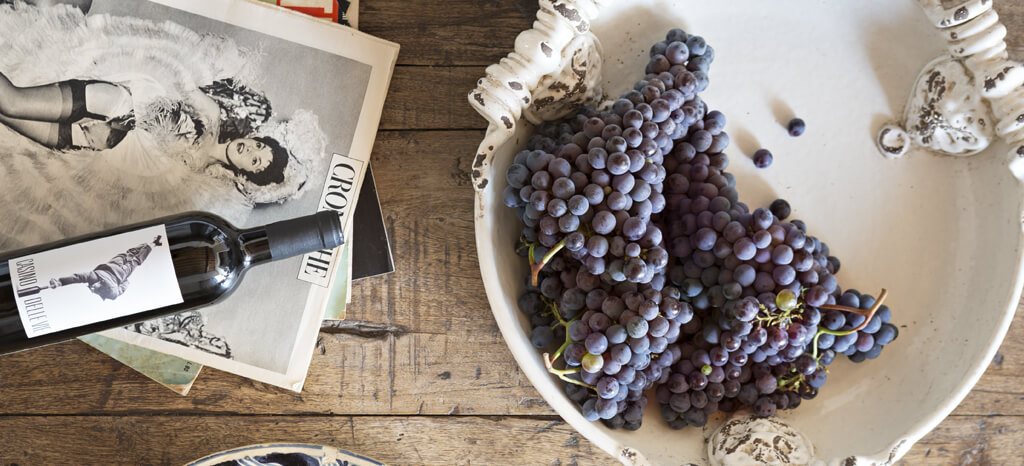
Sting and his wife Trudie have dedicated tremendous effort to keeping the historical traditions alive. Utilizing organic farming methods, they have replanted 11 hectares of vineyards since 2000, resulting in world-renowned wines: Message in a Bottle, Casino delle Vie, Sister Moon, and When We Dance—each named after Sting's famous tracks. [1]
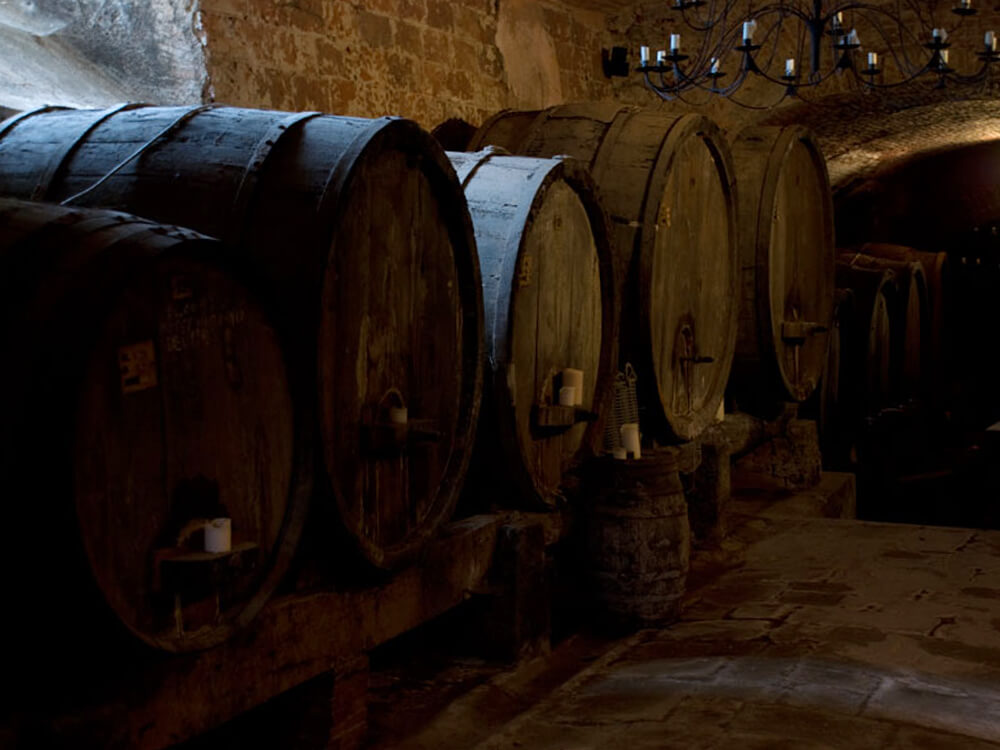
The historic wine cellar at Il Palagio safely stores these exceptional wines and stands as one of the most romantic spots on the entire estate, perfect for intimate events, private dinners, and gatherings.
Explore our selection and experience the harmonious rhythm of Sting's Il Palagio wines here!
Milan Nestarec
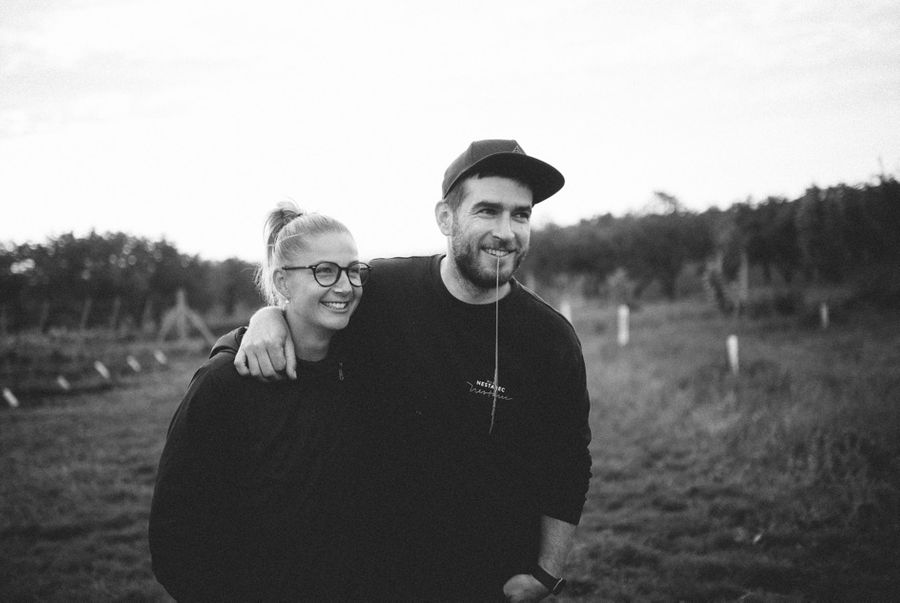
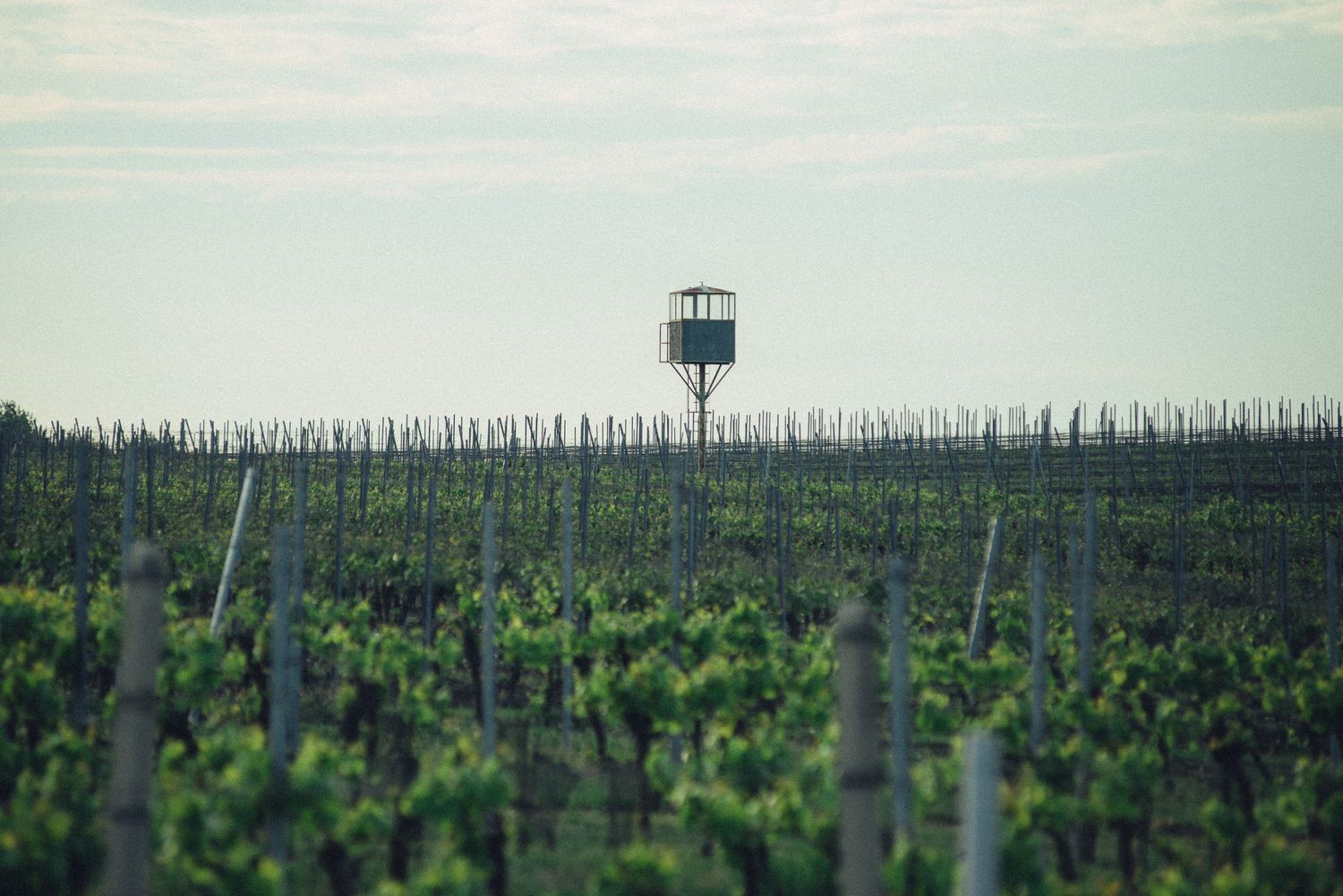
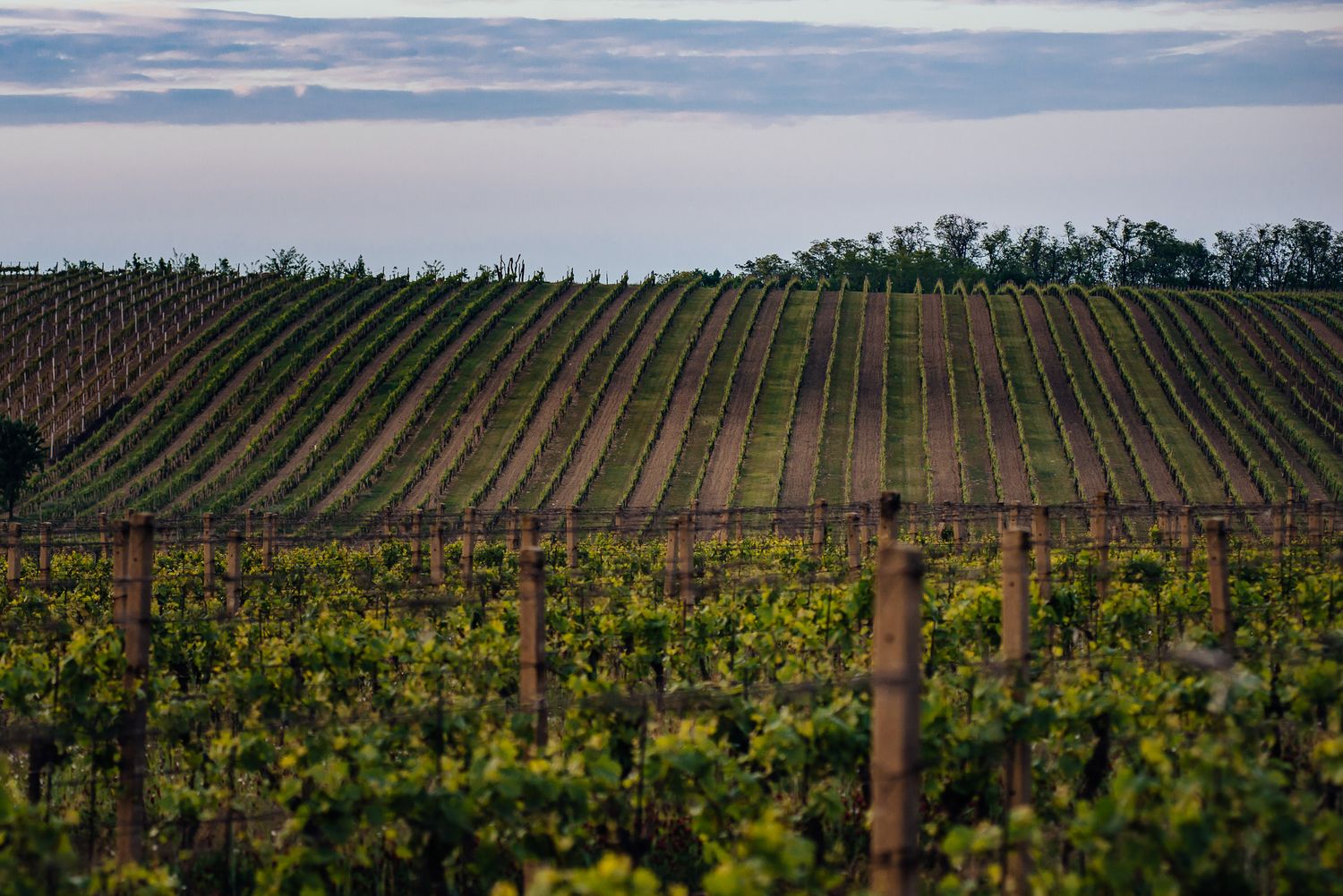
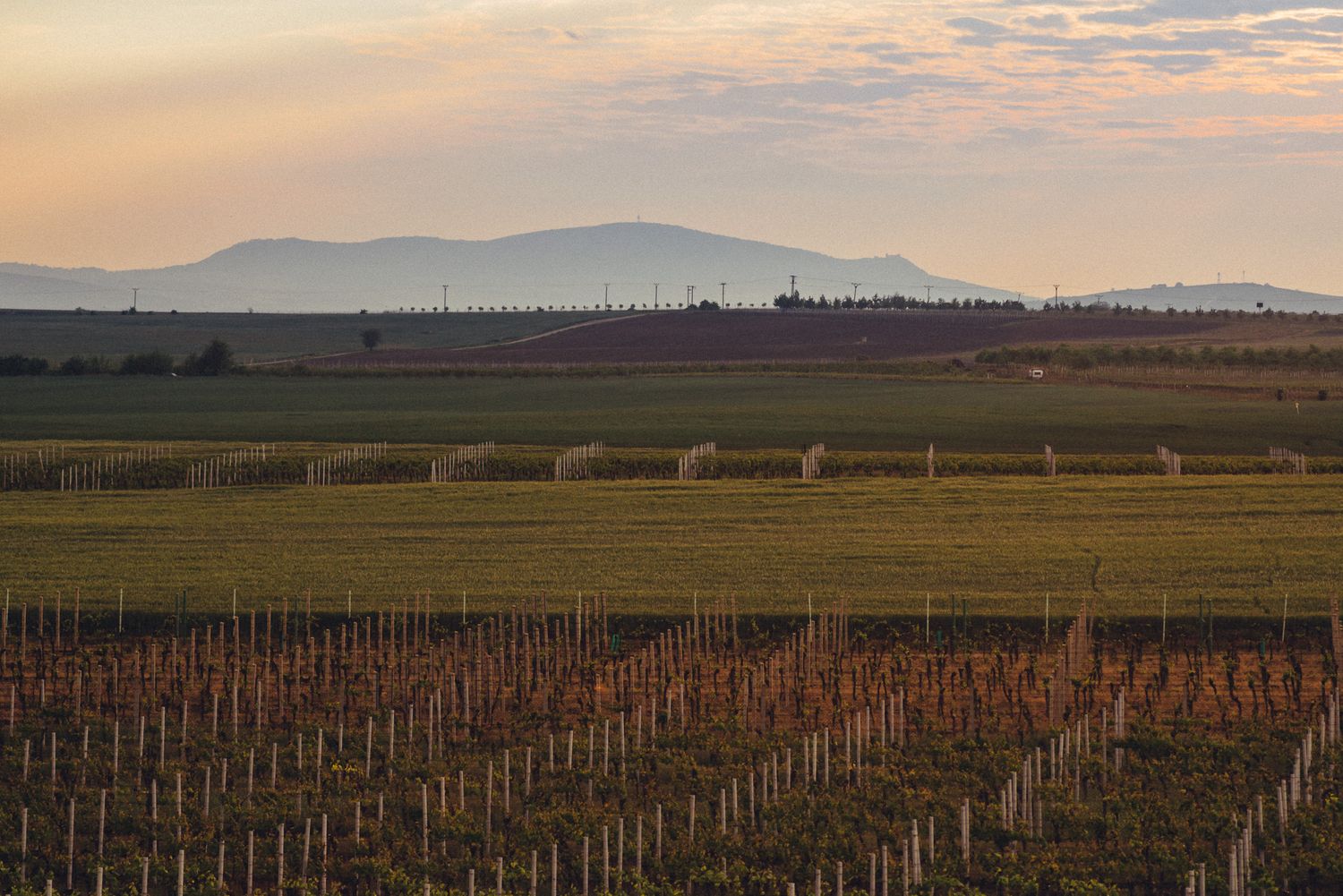
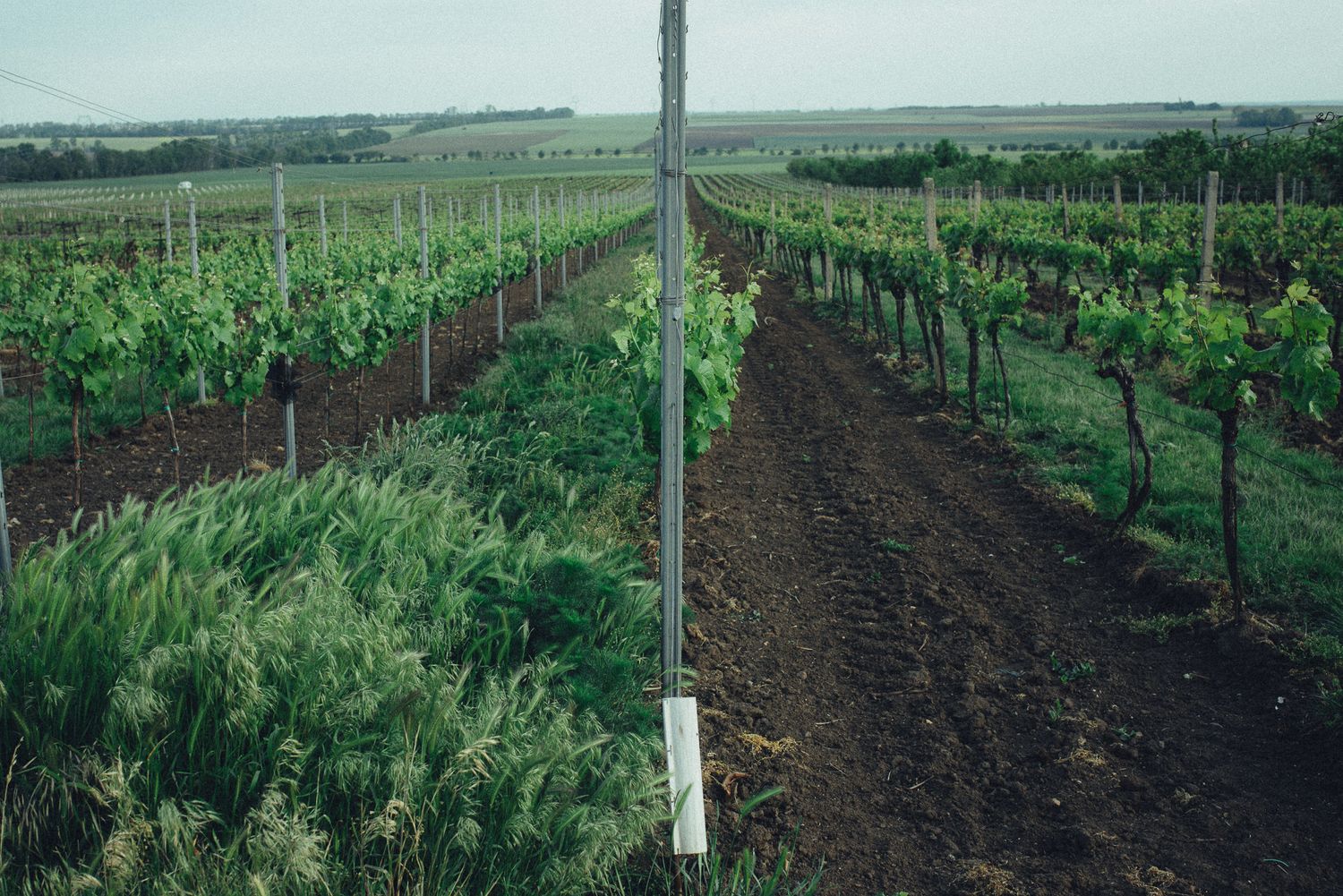
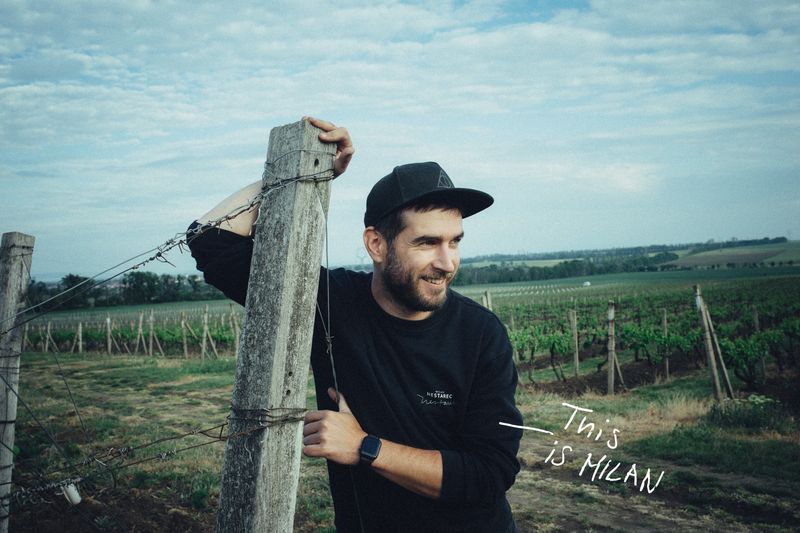
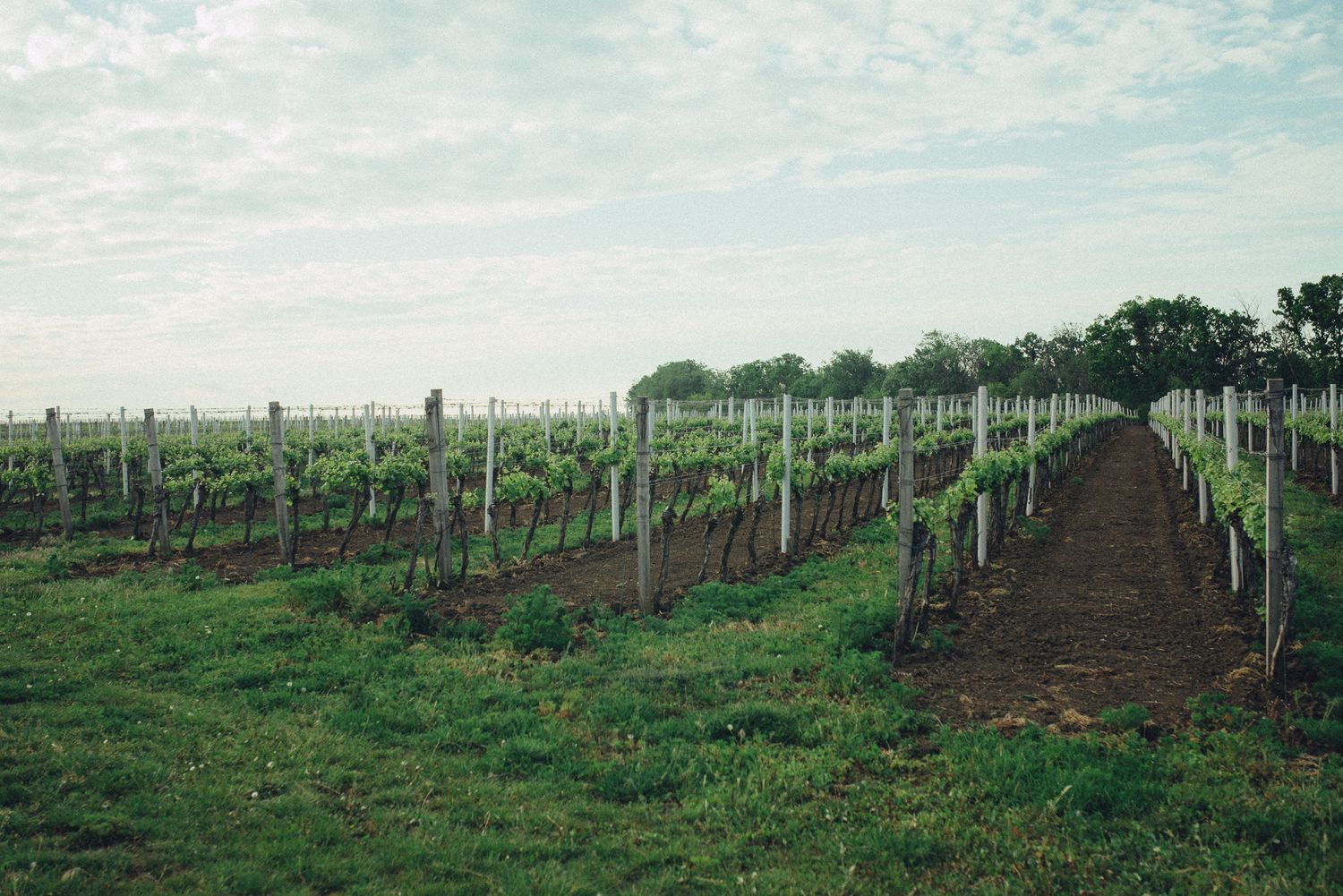
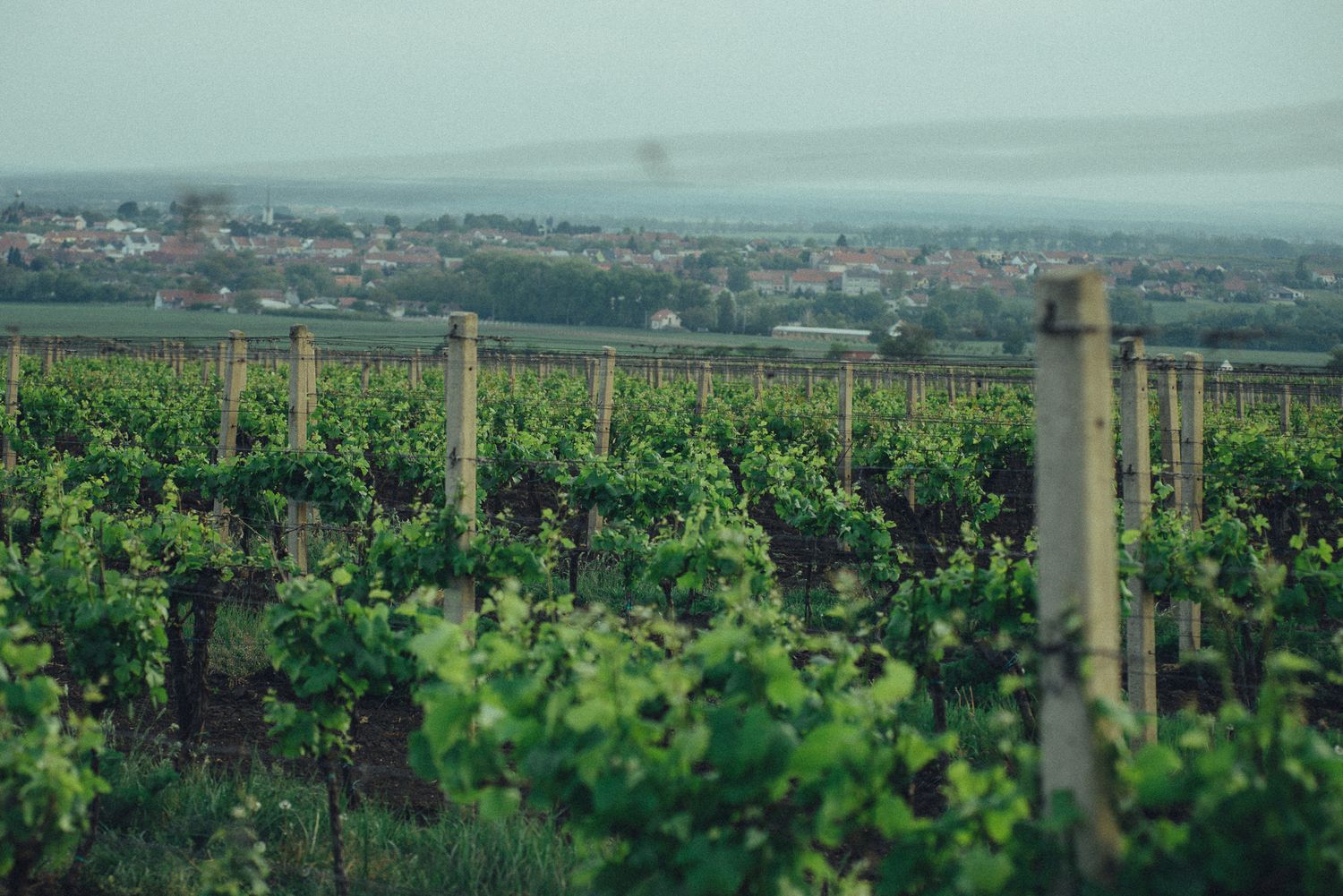
Between Moravský Žižkov and Velké Bílovice in the Velké Pavlovice wine region lies the Nestarec winery, run by Milan, who represents the second generation continuing what his father started in 2001. He has been offering his wines since 2011. His wines are traditionally untraditional, uncategorized, and driven by terroir. He strongly emphasizes the fact that his wines are made completely without additives—simply "Wine from grapes and nothing more." [2]
The wines are unsulfured, unfined, and unfiltered. Therefore, a fine sediment is not a flaw but a natural characteristic. Most of his wines mature in acacia or oak barrels without any complex manipulation.
The vineyards consist of 70% red varieties (Zweigelt, Blaufränkisch/Frankovka, and Pinot Noir/Rulandské modré). The white varieties are represented by Pinot Gris (Rulandské šedé) and Neuburger (Neuburské).
The winemaker is a proud member of the Autentisté (Authenticists) association, adhering to the Autentisté Charter, which sets its own strict regulations for viticulture. However, his wines do not carry official organic certification.
His project "New Technologies for Milan Nestarec Winery" is co-financed by the European Union. The goal of the project is to invest in processing facilities to increase the added value of agricultural products.
Explore our selection and taste the unfiltered worldview of Milan Nestarec wines here!

Château des Capucins
Château des Capucins is a wine estate located in the prestigious AOC Lalande de Pomerol.
The estate takes its name from the Capuchin monks, a minor Franciscan order founded in the 16th century. This heritage recalls the vital role that monasteries played in developing vineyards throughout medieval France.
The estate was previously co-owned by four Godineau brothers. Following family disagreements, they were forced to sell the entire property. Today, the estate comprises a large manor house awaiting renovation, viticultural buildings (hangars), and the winery itself, including a vat room and an aging cellar. It sits on a spacious 7,000 m² plot right at the entrance to the village of Lalande de Pomerol.
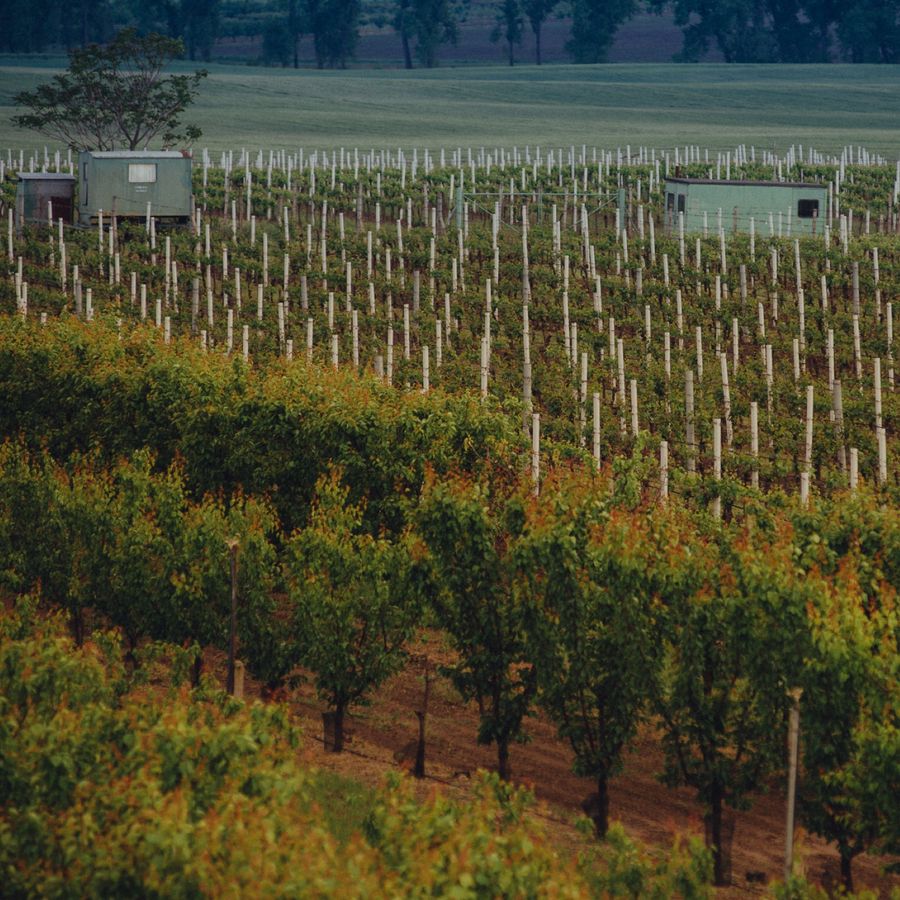
The property includes 10 hectares of vineyards within the Lalande de Pomerol appellation and 2 hectares of miscellaneous land plots. The potential added value of the Lalande de Pomerol wine region is driven by four key factors:
- A beautiful terroir of gravel over clay with iron dross, ideal for crafting powerful, warm wines with excellent aging potential.
- A limited appellation of only 1,130 hectares that will never expand, facing a global demand that constantly seeks premium wines.
- Proximity to Pomerol, an iconic appellation where vineyards sell for an average of €2 million per hectare. At "just" €250,000 per hectare, Lalande de Pomerol still holds immense growth potential.
- Exclusivity of independent winemakers; there is no cooperative cellar in Lalande de Pomerol or Pomerol.
The average age of the vines is 50 years, which guarantees exceptional quality, as old vines yield the finest grapes. The magnificent terroir alternates between clay-gravel and sand, resting on ancient alluvial subsoils rich in iron oxide—the perfect environment for producing great red wines.
The newly formed team boasts a well-established commercial network, opening national and export markets for Château des Capucins. Combined with an upgrade in production quality, the domain's valuation is set to rise significantly.
The Team:
- Philippe Carretero (61): A graduate engineer-enologist who oversees the vinification process and promotes Château des Capucins wines both in France and internationally.
- Fabien Guionneau (42): A fellow winemaker in St Ciers d'Abzac. Utilizing his technical expertise, he developed a vineyard management services company and takes direct care of both manual and mechanical vineyard work.
- Paul Carretero (29): A software engineer who manages the entire digital dimension of operations, covering both production tracking and communication.
- Maxime Guionneau (20): An agricultural machinery technician who assists his father with all tasks in the vineyard.
Explore our selection and experience the classic elegance of Château des Capucins wines here!

Michele Biancardi
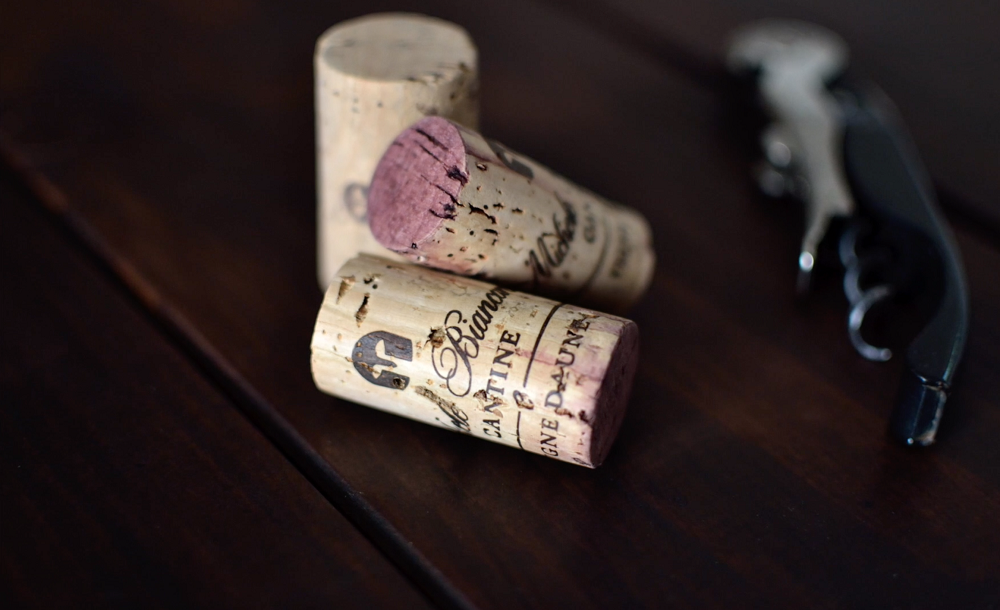
The Michele Biancardi winery is located on an estate in the Apulian countryside, just a short distance from the sea. There is no better introduction for this boutique winery, which produces high-quality wines, than the words written by its owner, Michele Biancardi: "My cellar is not large, but there is enough room for a dream: to make a great wine."
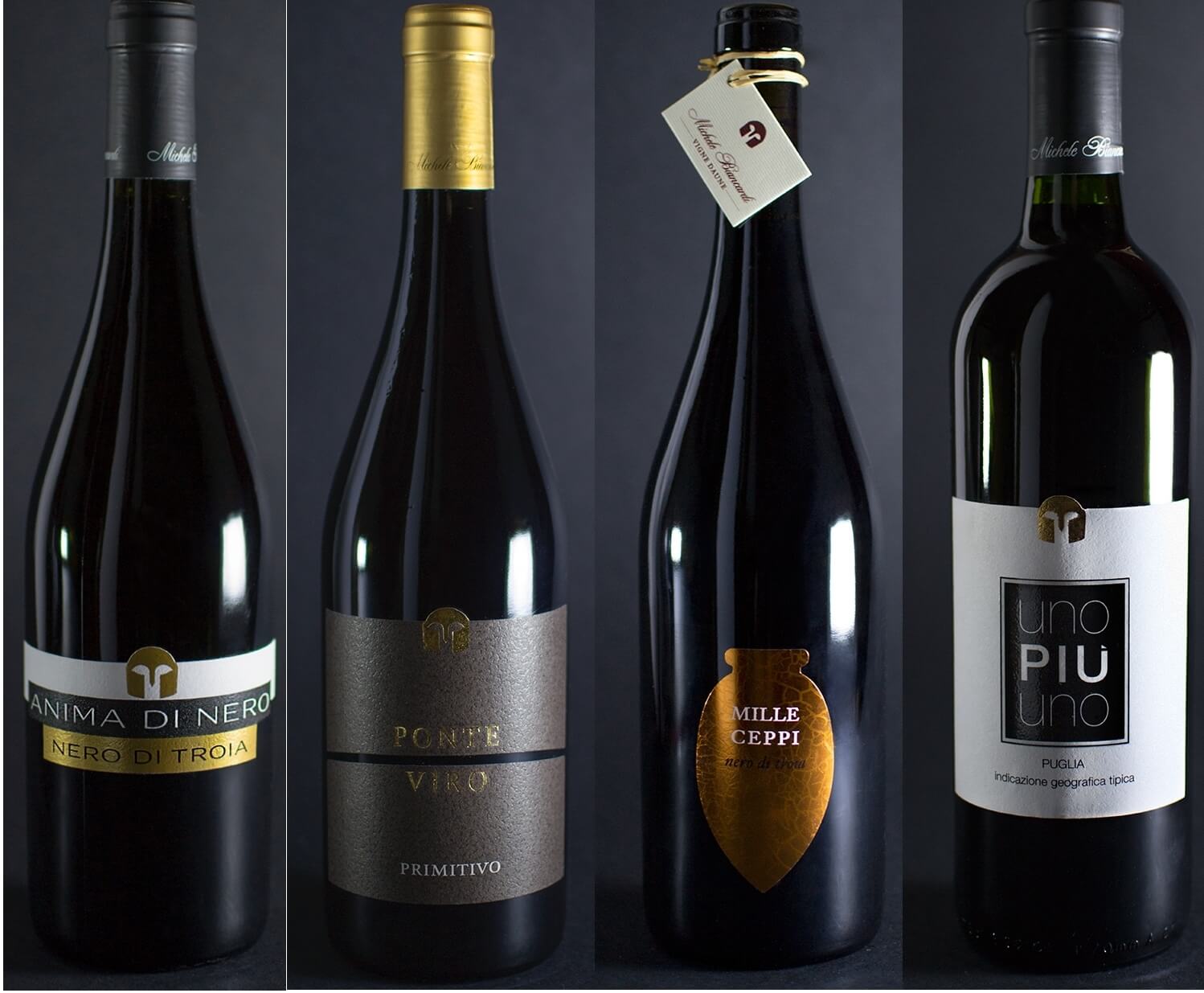
Four varieties grow in the vineyards—Nero di Troia, Fiano, Primitivo, and Minutolo. These are traditional grapes of the region, capable of creating dry and full-bodied wines. Naturally, all of them are certified organic.
The technology used in wine production is kept to an absolute minimum, and thanks to solar panels, the farm produces more oxygen than it consumes. Wooden casks are used with moderation, and stainless steel provides cooling when the summer days get too hot. All necessary work, from cultivation to bottling, takes place within the estate, inside old walls that have returned to their original function.
Wines like Nero di Troia are crafted in the exact same style as during the times of the ancient Greeks and Romans. They age in terracotta amphorae to acquire a unique aroma and flavor.
About Michele Biancardi
Michele Biancardi is a family winery with organic certification since 2010, located in Cerignola in the Apulia region of southeastern Italy. All of our grapes are estate-grown, and all of our wines are estate-bottled. The high quality of our wines has been recognized by various prestigious guides, such as Slow Wine and Gambero Rosso. My family has been producing wine for over 100 years, and we are considered one of the leading growers and producers of Nero di Troia in Italy. Other local grape varieties we cultivate include Fiano, Minutolo, Negroamaro, and Primitivo.
We are one of the few wineries that still age their wines in terracotta vessels. Our philosophy is to produce wines just as nature intended, using methods passed down from generation to generation. Located just 15 kilometers from the coast, we cultivate 20 hectares, all of which are certified organic, and the entire harvest is done by hand. Our average yield per hectare is 80 quintals.
We also grow fruit, olives for oil and table consumption (Bella di Cerignola), and cereals—all under organic farming parameters. Azienda Agricola Michele Biancardi is a dynamic estate practicing sustainable agriculture, and since 2011, all wines have carried the official organic agriculture certificate.
Situated near the Gargano Peninsula on the Apulian coast, we focus on producing wines from our local grape varieties. The vineyards, aged 10–15 years, are located on fascinating calcareous soil (an ancient seabed) very close to the sea. As a traditional family farm, we carry out most of the work by hand. For us, the most important goal is healthy grapes, which allows us to use very few sulfites. Our climate, with abundant sunshine and very little rain, greatly aids this effort. We exclusively produce indigenous grapes because we believe that "each vine gives its best expression only in its own land." Minutolo (winner of the Radici Prize 2012 for "best indigenous white wine") and Nero di Troia are two shining examples. We do not use small barrels (barriques), but only large wooden casks (20 hl), because Nero di Troia is a highly specific wine that is already naturally rich in tannins.
All of our red wines are unfiltered. We create a special selection of Nero di Troia called "Milleceppi" (meaning 1,000 vines), sourced from the best 1,000 vines in our vineyards, and refined in ancient terracotta vessels for 10–12 months. This wine is highly specific, more tannic, intensely spiced, and packed with immense character. Simply put—it is a wine not for everyone!



Matho
Matho wines are cultivated in northeastern Italy, just 50 km from Venice, within the renowned Prosecco DOC wine region. Since 2003, the vineyards have been managed in strict accordance with organic farming principles.
They use no pesticides, herbicides, or any other synthetic products.
By employing sustainable viticulture methods, they successfully minimize the impact on the local ecosystem. On the vineyard, they strive to preserve the entire ecosystem to protect and promote its development and maintain a natural balance between beneficial and harmful insects, as these organisms are the ones helping them create the wine.
Their commitment in the winery is to respect the fruit: they do not use any oenological additives and limit sulfites to an absolute minimum so that each wine can express itself to the fullest. Every stage of the winemaking process is carefully monitored by the winemaker with the help of innovative and technological control systems to ensure exceptional quality.
Furthermore, no ingredients of animal origin are used. All wines are crafted exclusively from plant-based components and are certified vegan.
The Brand Name
The brand name needed to be short and easy to remember—so they chose the word Matho. In their local dialect, it literally means "crazy," but in the sense of being "crazily happy," evoking the positivity that comes from sharing a glass of wine with family and friends.
The Matho brand is inspired by the well-known design trend called minimalism, which is characterized by simple shapes, a small number of clear elements, and functional messaging.
"We have good wines and we wanted to focus on their main characteristics: organic and vegan."
These primary features are clearly printed on the bottle to take center stage when someone looks at their labels on the shelf. The result is a line of wines dressed in bright labels, printed in attractive, simple colors with a straightforward message.
Explore our selection and find your crazy-happy moment with Matho organic wines here!