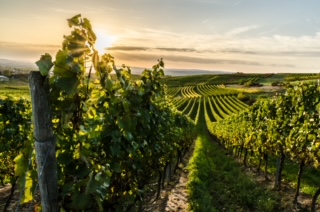
Autumn is the most beautiful yet demanding time of the year for winemakers. As September and October arrive, vineyards dress in golden hues, and the air fills with the aroma of ripe grapes. In recent years, a trend has re-emerged during this season that takes us back to our roots—the organic wine harvest. Producing organic wine is not just about avoiding chemical sprays; it is an entire philosophy of living in harmony with nature. So, how is a true organic wine made?
It All Begins with Living Soil
The foundation of every successful organic wine harvest is a healthy vineyard. Unlike conventional farming, eco-friendly winemakers strictly reject synthetic pesticides, herbicides, and artificial fertilizers. Instead, they rely on the natural strength of the ecosystem. Special mixtures of herbs and grasses are often planted between the vine rows to attract beneficial insects, loosen the soil, and provide nutrients. As a result, the vines must develop deep root systems to find moisture, which positively reflects in the unique character and minerality of the final drink.
Hand-Harvesting as a Guarantee of Quality
When the time is right—usually during September and October—the actual harvest begins. Hand-picking is a signature practice for organic vineyards. Heavy machinery can compact the soil and damage the vines. Moreover, manual labor allows winemakers to select the best grapes directly in the field. Only 100% healthy and optimally ripe grapes make it to the press, which is crucial for chemical-free winemaking. Any rotten berry could cause unwanted oxidation or bacterial infection later on.
Gentle Cellar Processing: Less is More
The "chemical-free" rule does not stop in the vineyard; it continues in the cellar. Conventional wines are often adjusted using dozens of approved additives, from commercial yeasts to clarifying agents. For organic wine, this list is kept to an absolute minimum. Fermentation happens spontaneously using wild yeasts naturally present on the grape skins. Although this method requires immense experience and constant monitoring, the reward is a wine with a unique and authentic profile that truly reflects its terroir.
The Sulfite Phenomenon
A frequent question concerns the presence of sulfur. Completely sulfite-free wine is rare because a small amount of sulfur dioxide forms naturally during fermentation. However, organic standards allow only a fraction of the sulfur used in conventional wines. The goal is to protect the wine from spoiling without burdening the consumer's body. The result is a clean beverage that won't leave you with a headache the next day.
Why Choose Organic Wine?
The autumn organic wine harvest proves that quality does not require chemical intervention. Every bottle of organic wine carries a story of pure nature, patience, and respect for the craft. When you pour a glass of organic wine during chilly autumn days, you will appreciate not only its rich flavor but also the knowledge that its creation helped keep our countryside alive and healthy.
Want to taste the result of honest winemaking? Browse ourcurrent selection of organic winesand find the perfect bottle for your autumn evenings.